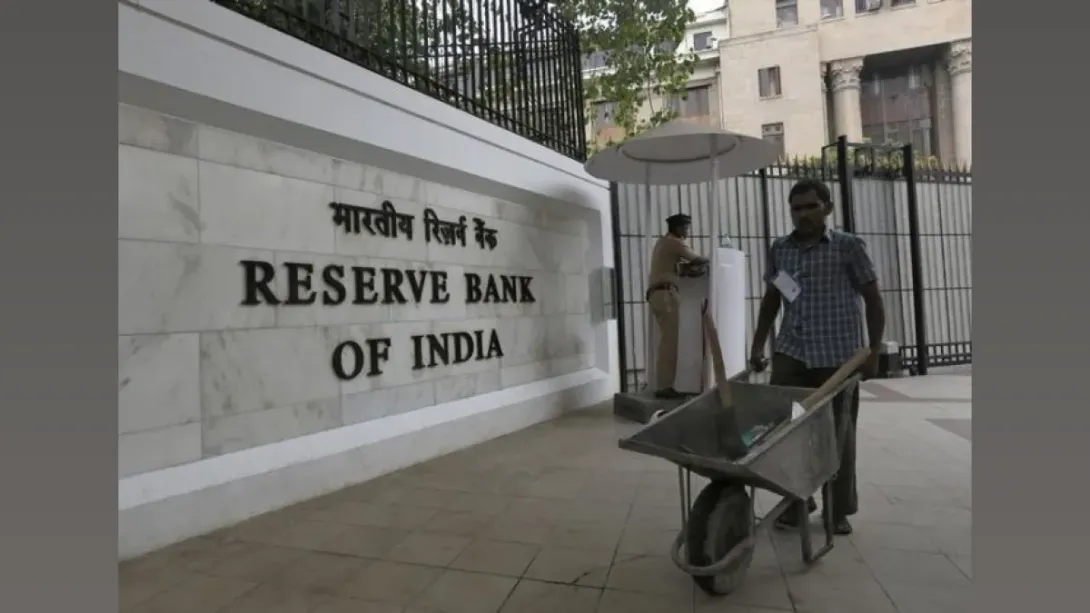
The All India Retail Bankers’ Employees Association (AIRBEA) has highlighted a pressing shortage of small denomination currency notes across India, calling for urgent intervention from the Reserve Bank of India (RBI). Retailers, small businesses, and daily wage earners are reportedly facing transactional challenges, particularly in rural and semi-urban areas, as limited availability of Rs. 10, Rs. 20, and Rs. 50 notes constrains cash circulation. AIRBEA has urged the central bank to ramp up printing, optimize distribution, and enhance ATM replenishment strategies. Analysts note that resolving the shortage is critical for sustaining microeconomic activities, promoting financial inclusion, and ensuring seamless day-to-day commerce.
Current Situation and Challenges
Small businesses and local vendors are reporting significant operational hurdles due to the scarcity of low-denomination currency notes. Transactions for everyday purchases, transport, and small-scale services are being disrupted, forcing consumers and merchants to rely on digital payments or higher denomination notes.
Bank branches and ATMs, particularly in rural areas, are struggling to maintain adequate supplies of Rs. 10, Rs. 20, and Rs. 50 notes, exacerbating the accessibility gap for cash-dependent communities.
AIRBEA’s Appeal to RBI
AIRBEA has formally requested the RBI to expedite printing of small denomination notes and ensure equitable distribution across urban, semi-urban, and rural regions. The association emphasizes that timely action is crucial to maintain economic activity and prevent disruptions in daily commerce.
Proposals include enhanced coordination between currency printing presses, regional RBI offices, and commercial banks to streamline supply chains and address immediate shortages efficiently.
Economic Implications
Small denomination notes are vital for microtransactions, local trade, and informal economy operations, which constitute a substantial part of India’s GDP. Prolonged scarcity could impact consumer spending, slow down daily trade, and create friction in cash-dependent sectors such as retail, transport, and local services.
Analysts note that ensuring adequate circulation of small notes supports financial inclusion and maintains trust in the monetary system, particularly for populations with limited access to digital payment infrastructure.
Policy and Operational Recommendations
Experts suggest several measures to alleviate the shortage:
Increase Printing Capacity: Expedite production of Rs. 10, Rs. 20, and Rs. 50 notes at existing and additional currency presses.
Optimized Distribution: Prioritize allocation to high-demand and underserved areas through commercial banks and regional RBI offices.
ATM Replenishment: Implement targeted ATM cash-loading strategies to ensure availability of small notes alongside higher denominations.
Public Communication: Inform citizens about note availability and promote digital alternatives where feasible.
Outlook
Timely intervention by the RBI to address the small note shortage will be critical for sustaining routine economic activity and supporting cash-dependent communities. Ensuring an uninterrupted supply of low-denomination currency will stabilize retail transactions, enhance trust in the financial system, and maintain momentum in India’s vast informal economy.
Comments