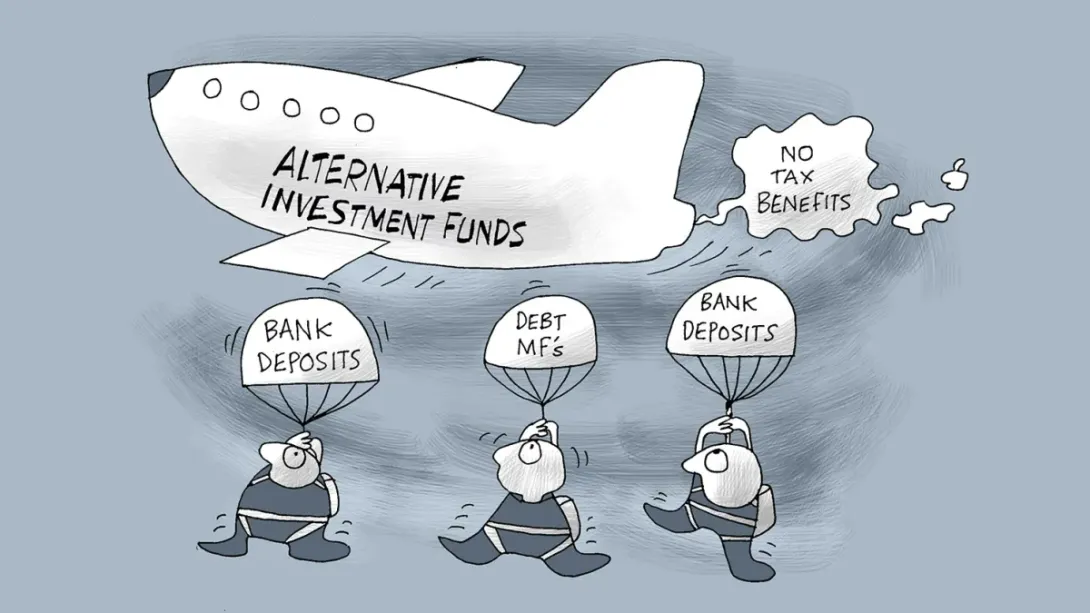
India’s Alternative Investment Funds (AIFs) have recorded cumulative inflows of Rs 1.14 lakh crore, underscoring growing investor confidence in private market strategies. The surge reflects robust participation from domestic institutions, high-net-worth individuals and family offices seeking diversification beyond traditional equities and fixed income instruments. Industry analysts attribute the momentum to favorable regulatory reforms, expanding startup ecosystems and rising demand for private credit and venture capital exposure. As public markets experience periodic volatility, AIFs are increasingly viewed as strategic vehicles for long-term capital deployment. The inflow milestone highlights the maturation of India’s alternative investment landscape.
Strong Capital Momentum in Private Markets
Alternative Investment Funds in India have garnered Rs 1.14 lakh crore in fresh inflows, signaling sustained interest in non-traditional asset classes. The capital influx reflects investors’ appetite for differentiated returns in an environment marked by evolving macroeconomic conditions.
AIFs, regulated by the Securities and Exchange Board of India (SEBI), operate across categories including venture capital, private equity, hedge strategies and private credit. The diversified structures provide tailored exposure to growth-oriented enterprises, infrastructure projects and structured debt instruments.
The rising capital commitments point to expanding institutional sophistication in portfolio construction.
Drivers Behind the Inflow Surge
Several structural factors underpin the increase in AIF allocations. India’s expanding startup ecosystem has created a pipeline of high-growth investment opportunities, particularly in technology, fintech and consumer sectors.
Private credit funds have also gained traction, addressing funding gaps left by cautious bank lending practices. Institutional investors increasingly view private market instruments as tools for yield enhancement and risk-adjusted returns.
Regulatory refinements in recent years have strengthened transparency and compliance standards, bolstering investor confidence.
Institutional Participation and Wealth Diversification
Domestic pension funds, insurance companies and family offices are playing a more active role in alternative investments. High-net-worth individuals are diversifying portfolios amid fluctuating equity valuations and global uncertainty.
AIFs offer structured strategies with defined mandates, enabling investors to access niche opportunities not readily available in public markets. This diversification is particularly attractive in periods of market volatility.
Capital formation through AIFs also supports entrepreneurship and infrastructure development, reinforcing broader economic growth.
Regulatory Oversight and Market Evolution
SEBI’s regulatory framework for AIFs has evolved to ensure accountability, risk management and disclosure transparency. The classification of funds into distinct categories—such as Category I for venture capital and infrastructure, Category II for private equity and debt and Category III for hedge strategies—provides clarity for investors.
Industry experts emphasize that prudent oversight is critical as fund sizes expand and cross-border capital participation increases. Enhanced governance standards have contributed to the sector’s credibility.
The Rs 1.14 lakh crore inflow milestone reflects both regulatory maturity and investor trust.
Long-Term Outlook for Alternative Assets
The growth trajectory of AIF investments suggests a structural shift in India’s capital markets ecosystem. As companies remain private for longer durations, private equity and venture capital funds are capturing value creation earlier in corporate life cycles.
Additionally, infrastructure and real estate-focused funds align with national development priorities. Analysts expect continued inflows, particularly as institutional investors recalibrate asset allocations toward long-duration opportunities.
The rising prominence of AIFs underscores a broader transformation in India’s financial architecture. With Rs 1.14 lakh crore flowing into alternative vehicles, the sector is emerging as a pivotal channel for capital deployment, innovation financing and long-term wealth generation in an increasingly dynamic investment landscape.
Comments