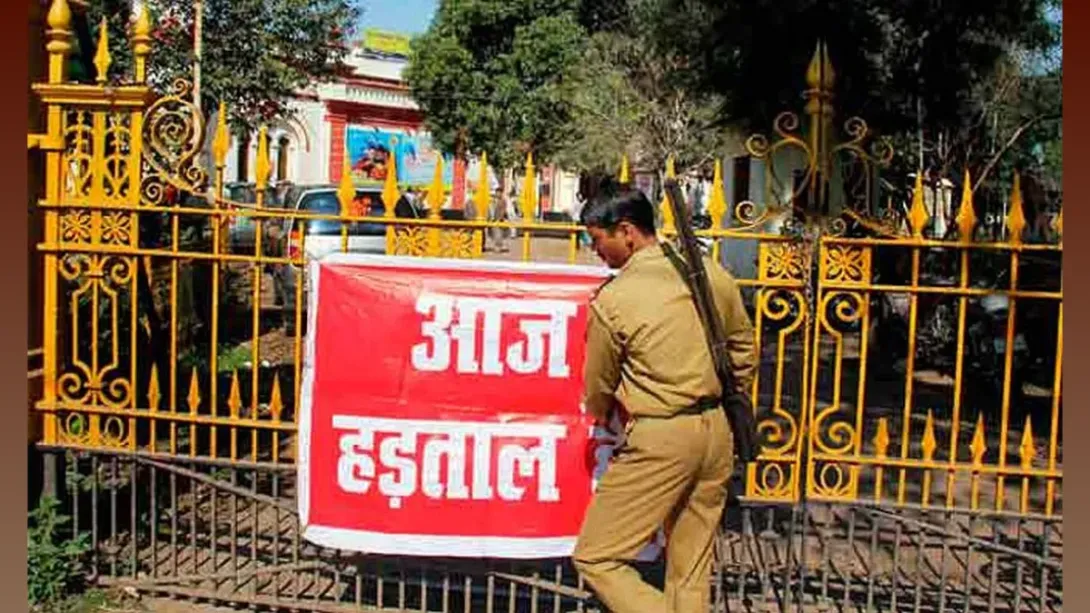
India’s banking sector is bracing for potential nationwide disruption as major bank unions have threatened a countrywide strike on Jan. 27, following a breakdown in negotiations with the Indian Banks’ Association. The dispute centers on unresolved wage revision demands, pension reforms and workload concerns amid rapid digitization and consolidation in the sector. Union leaders argue that prolonged delays and inadequate offers have left employees with little choice but industrial action. If carried out, the strike could disrupt essential banking services, affecting customers, businesses and financial markets at a critical time for the economy.
Mounting Tensions in the Banking Sector
The prospect of a nationwide bank strike has once again highlighted deep-seated tensions between bank management and employee unions. Multiple unions representing public sector and private bank employees have issued notices warning of industrial action after talks on wage revision failed to yield consensus. The proposed strike date, Jan. 27, has been positioned as a decisive moment in a dispute that has simmered for months.
Union leaders contend that bank employees have borne the brunt of structural reforms, including mergers, branch rationalization and increased reliance on digital platforms, without commensurate improvements in compensation or working conditions.
Core Demands: Wages, Pensions and Workload
At the heart of the standoff is the long-pending wage revision for bank employees. Unions are demanding a fair salary increase that reflects rising inflation, higher profitability in the banking sector and the expanding responsibilities of staff. Pension-related issues, particularly the updating of pension benefits, remain another major sticking point.
Additionally, employee representatives have raised concerns about excessive workloads, staff shortages and mounting performance pressures. They argue that aggressive business targets and compliance requirements have eroded work-life balance and increased operational risks within branches.
Management’s Position and Negotiation Deadlock
The Indian Banks’ Association, which represents bank management, has cited cost constraints and the need to maintain financial stability as reasons for its cautious approach to wage hikes. While acknowledging the contribution of bank employees, management negotiators have emphasized the importance of aligning compensation growth with long-term sustainability.
Despite several rounds of discussions, both sides remain far apart, with unions accusing management of delaying tactics and insufficient proposals. The absence of a breakthrough has fueled frustration, prompting the threat of nationwide action.
Potential Impact on Economy and Customers
A nationwide bank strike could have wide-ranging implications. Routine banking operations, including cash withdrawals, cheque clearances and branch-based services, may face significant disruptions. Small businesses, traders and rural customers, who remain heavily dependent on physical banking channels, are likely to be most affected.
From a broader economic perspective, prolonged disruptions could undermine confidence at a time when credit growth and financial inclusion are key policy priorities. Markets typically view such labor unrest as a short-term risk, but repeated strikes may raise concerns about operational resilience in the banking system.
Comments