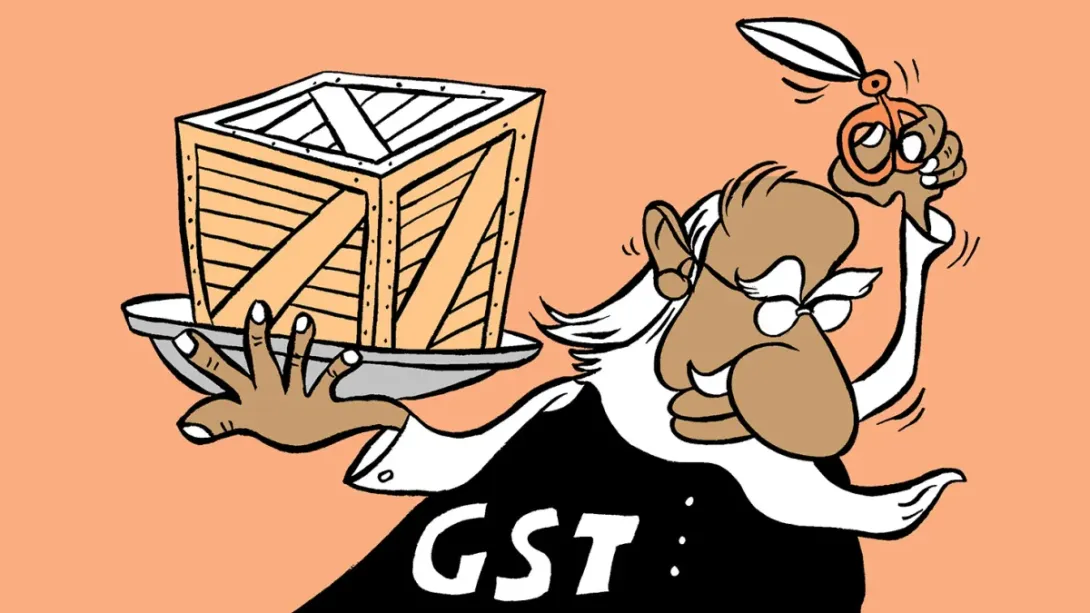
India’s fertiliser industry is pressing the government for urgent reforms in subsidy disbursement and GST structure ahead of the upcoming policy cycle. Companies argue that delayed subsidy payments and high tax burdens are straining liquidity and increasing operational costs at a time when the sector is critical to ensuring food security. Industry leaders are lobbying for faster reimbursement mechanisms, lower GST rates on key inputs, and a more streamlined system that reduces administrative bottlenecks. The proposed changes, they say, would strengthen the industry’s financial health, enhance supply-chain stability and support farmers more effectively as input prices fluctuate globally.
Industry Calls for Modernised Subsidy Mechanism
The fertiliser industry has renewed its appeal to the government to revamp the subsidy framework that underpins India’s agricultural ecosystem. With subsidy arrears often stretching for months, companies say the delays have placed significant pressure on working capital, affecting production schedules and distribution.
Executives argue that a more efficient reimbursement system — incorporating digital tracking and guaranteed timelines — would ensure uninterrupted supply to farmers, especially during peak sowing seasons.
Concerns Over Liquidity and Rising Costs
Delayed subsidy release has emerged as one of the sector’s most pressing financial challenges. Fertiliser producers often rely on short-term borrowing to maintain operations, leading to higher interest costs and deteriorating balance sheets. Industry bodies warn that without timely intervention, the strain may compromise long-term investments in capacity expansion and technology upgrades.
The request for reforms comes amid global volatility in natural gas prices, freight rates and raw materials, all of which continue to squeeze margins across the industry.
Push for GST Rationalisation on Inputs
Beyond subsidy reforms, companies are urging the government to rationalise the Goods and Services Tax on key fertiliser inputs. Many essential raw materials attract higher GST slabs than the finished products, creating an inverted duty structure that leads to substantial working capital blockages.
Industry representatives note that reducing GST on critical inputs or expediting input tax credit refunds would significantly reduce operational inefficiencies and support more competitive pricing for farmers.
Enhancing Farm-Level Affordability and Supply Stability
Reforms in the subsidy and GST regimes are expected to have a direct impact on farmers by ensuring a more stable supply of essential nutrients. A predictable policy environment, the industry says, will help maintain affordability for millions of cultivators who depend on subsidised fertilisers for crop yield and soil health.
With India targeting higher agricultural productivity to meet domestic and export demand, stakeholders emphasise that safeguarding the fertiliser supply chain is an economic priority.
A Crucial Moment for Policy Alignment
As the government prepares for the next round of fiscal planning, industry leaders highlight that fertiliser policy must align with broader agricultural and rural development goals. Structural reforms — particularly faster subsidy transfers and GST adjustments — would strengthen the sector’s resilience and support long-term national food security.
Comments