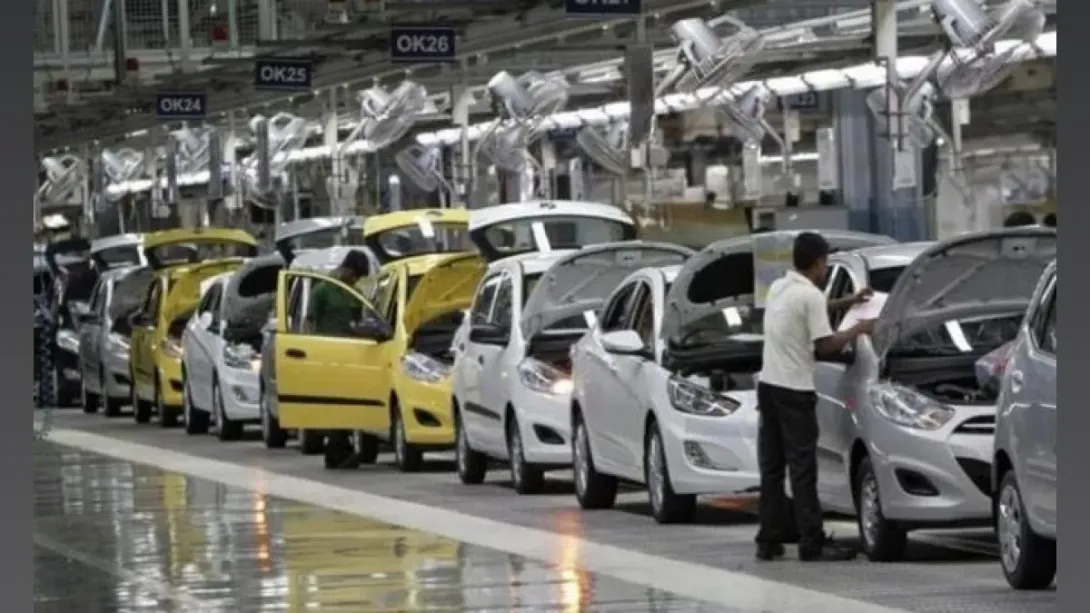
The Indian automobile industry is poised for renewed growth following the government’s proposed GST relief measures for the sector, expected to make vehicles more affordable and revive consumer sentiment. The move, aimed at reducing the tax burden on vehicles and encouraging the transition to cleaner mobility, could accelerate both car replacement cycles and electric vehicle (EV) adoption. Industry leaders believe this policy support will not only stimulate demand across segments but also strengthen India’s long-term vision of becoming a global hub for sustainable and advanced automotive manufacturing.
Government Mulls GST Relief to Drive Auto Demand
The government’s consideration of a Goods and Services Tax (GST) reduction for automobiles has brought fresh optimism to the auto industry, which has been recovering steadily after pandemic-led disruptions and cost escalations due to stricter emission norms.
Currently, vehicles attract GST rates ranging from 28% to 50%, depending on size, type, and engine capacity. Industry bodies, including the Society of Indian Automobile Manufacturers (SIAM), have been urging the government to rationalize taxes, particularly for electric vehicles and hybrid cars, to promote faster adoption.
Sources suggest that a potential tax revision—especially for EVs and small cars—could be discussed in the next GST Council meeting, possibly leading to a multi-tiered structure that differentiates between conventional and green vehicles.
Industry Leaders Welcome Move
Automakers have responded positively to the government’s intent, viewing it as a strategic step toward boosting consumer confidence and improving affordability. Maruti Suzuki, Hyundai, Tata Motors, and Mahindra & Mahindra have all expressed optimism that lower taxes could help revive demand across the hatchback, sedan, and SUV categories.
“Tapping into latent demand through a more rational GST structure can reignite the market, especially in the entry and mid-segments,” said a senior executive from a leading car manufacturer. He added that India’s average vehicle replacement cycle, currently around eight years, could shorten significantly if ownership costs are reduced.
The relief, when combined with rising disposable incomes and favorable financing conditions, is expected to accelerate car upgrades and new vehicle purchases, particularly in Tier II and Tier III cities.
Electric Vehicle Adoption Gains Momentum
The proposed GST relief comes at a critical time when India’s EV ecosystem is gaining traction, supported by FAME-II incentives, PLI schemes, and robust investment in charging infrastructure.
Electric two-wheelers and passenger cars currently attract a 5% GST rate, but hybrid and plug-in hybrid models continue to face higher taxation, discouraging their uptake. Industry analysts suggest that aligning hybrid tax rates closer to EVs could bridge the affordability gap and enhance consumer choice.
Manufacturers such as Tata Motors, MG Motor, and BYD India—already leading the EV market—expect that any further fiscal support will improve penetration beyond metropolitan areas. With battery costs projected to decline further and localisation efforts strengthening, India’s EV sales could witness double-digit growth in 2026.
Economic Ripple Effects
The auto sector, which contributes nearly 7.1% to India’s GDP and employs over 3.5 crore people, stands to benefit immensely from renewed demand. Analysts at CRISIL and ICRA project that a 5–7% cut in GST across key segments could potentially lift annual vehicle sales by 10–12%, spurring growth in ancillary industries such as tyres, batteries, and components.
Moreover, the uptick in manufacturing could also support the government’s “Make in India” and Atmanirbhar Bharat initiatives, drawing fresh investments from both domestic and global automakers. The cascading impact would extend to logistics, financing, and after-sales services, thereby reinforcing the auto sector’s role as a key economic multiplier.
Challenges and Policy Considerations
While the potential GST cut has been welcomed, fiscal experts caution that it could temporarily affect government revenues. However, proponents argue that higher sales volumes and improved tax compliance could offset the short-term dip.
Additionally, policymakers are assessing how GST rationalization could coexist with other fiscal incentives such as road tax exemptions, state EV subsidies, and scrappage policy benefits. The focus, according to officials, is on achieving a balance between affordability, environmental responsibility, and fiscal discipline.
Consumer Confidence on the Rise
Market surveys indicate growing consumer willingness to upgrade vehicles if price points become more attractive. Data from leading car dealers show that inquiries for EVs and mid-segment cars have risen by 15–20% in anticipation of possible tax relief.
Car loan disbursals are also trending upward, aided by stable interest rates and competitive financing options from major banks and NBFCs. A renewed product lineup—from entry-level EVs to advanced hybrids—further signals an industry ready to meet shifting consumer aspirations.
Conclusion
The proposed GST relief marks a pivotal policy intervention that could redefine India’s automobile growth story. By easing the tax burden, the government is not only encouraging short-term sales recovery but also accelerating the long-term transition toward sustainable mobility.
As automakers prepare to capitalize on the renewed demand, the convergence of fiscal policy, innovation, and consumer sentiment may well steer India toward its ambition of becoming one of the world’s top three automotive markets within the decade.
Comments