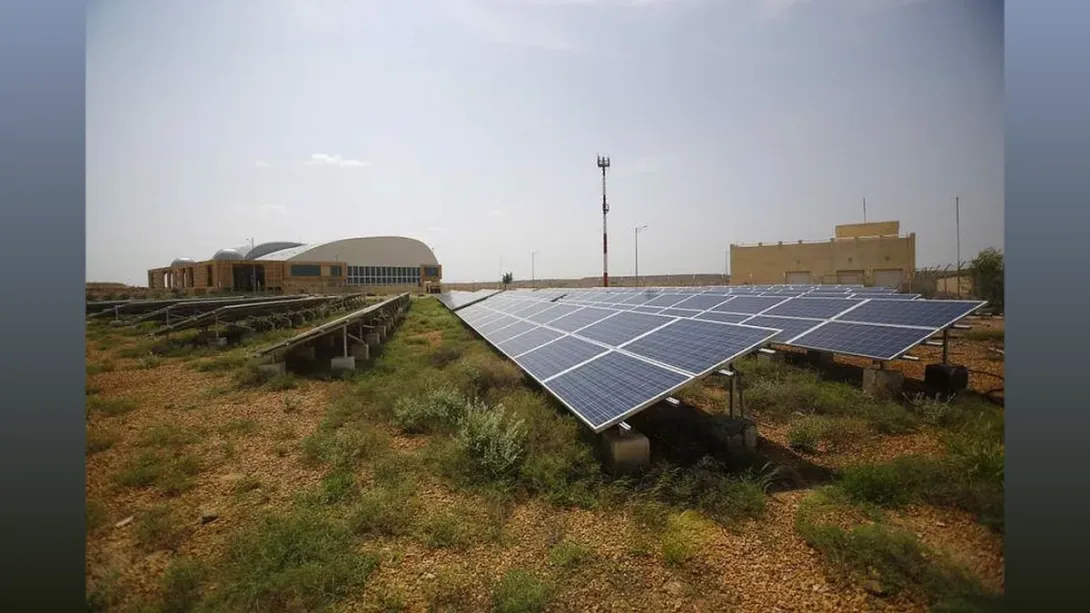
A new 50 megawatt (MW) solar power project has been successfully commissioned in Maharashtra, marking a significant stride in the state’s renewable energy ambitions. Developed as part of the government’s broader push for clean energy, the plant is expected to generate approximately 85 million units of electricity annually, significantly reducing carbon emissions. Strategically located to optimize solar exposure, the project will contribute to Maharashtra’s energy mix while enhancing grid stability and sustainability. This development reinforces India’s ongoing transition toward greener energy infrastructure and highlights the increasing role of solar power in meeting the country’s long-term climate goals.
---
Project Overview and Strategic Significance
The newly commissioned 50 MW solar facility represents a vital addition to Maharashtra’s renewable energy infrastructure. The plant has been developed in alignment with both state and national objectives for increasing the share of clean energy in the overall power generation mix.
Designed with advanced photovoltaic modules and state-of-the-art inverters, the project is engineered for high efficiency and long-term durability. It is estimated to supply around 85 million kilowatt-hours (kWh) annually, meeting the electricity needs of approximately 30,000 households.
The solar installation not only bolsters energy security but also contributes meaningfully to carbon offset efforts, potentially avoiding over 70,000 metric tonnes of CO₂ emissions each year.
---
Policy Support and Sectoral Alignment
The commissioning of this solar plant aligns closely with India’s target of achieving 500 GW of non-fossil fuel capacity by 2030. Maharashtra, one of the country’s most industrialized and energy-intensive states, is actively scaling up its renewable portfolio to reduce dependence on thermal power and improve environmental performance.
The project also benefits from favorable policy mechanisms such as viability gap funding, capital subsidies, and preferential tariffs under the state’s solar development framework. It showcases how coordinated public-private efforts can accelerate the deployment of large-scale renewable energy assets.
---
Technological and Economic Impact
Equipped with cutting-edge solar technology, the 50 MW facility integrates features that maximize energy yield even in sub-optimal weather conditions. High-efficiency modules, intelligent monitoring systems, and grid-synchronized inverters ensure consistent performance and reduced downtime.
From an economic standpoint, the project is expected to generate employment during both the construction and operational phases, contributing to the local economy. Additionally, the availability of stable and low-cost solar energy can benefit nearby industrial zones by reducing power procurement costs and promoting sustainable manufacturing practices.
---
Environmental and Community Benefits
Beyond the economic and technological advantages, the solar project offers significant environmental dividends. By displacing fossil fuel-based power generation, it contributes to cleaner air and water, indirectly improving public health outcomes in surrounding areas.
The development also includes provisions for community engagement and corporate social responsibility initiatives, such as skill development programs, solar training for youth, and infrastructure improvements in nearby villages. These efforts aim to ensure inclusive growth while building local stakeholder support for renewable expansion.
---
Conclusion
The commissioning of the 50 MW solar power plant in Maharashtra stands as a testament to India’s accelerating clean energy transition. As the country works toward its climate commitments and energy independence, such projects play a crucial role in shaping a more sustainable, decentralized, and resilient power sector. With continued policy backing and technological innovation, solar energy is poised to drive the next phase of India’s infrastructure and environmental evolution.
Comments