A fragile yet welcome calm has returned to Indian-administered Kashmir following a ceasefire agreement between India and Pakistan, ending a tense spell of cross-border hostilities. For many residents living near the volatile Line of Control (LoC), the sudden halt in violence offers a rare opportunity to breathe, rebuild, and hope. Markets have reopened, streets are alive again, and conversations have shifted from fear to cautious optimism. Yet beneath the surface, feelings remain mixed—relief tempered by lingering anxiety, and hope shadowed by unresolved questions about the future and the meaning of this geopolitical pause.
Respite After Fire: Life Returns to Kashmir’s Border Villages
For civilians in the towns of Uri and Kupwara—both situated perilously close to the LoC—the ceasefire announcement came as a profound relief. In recent days, they had been bracing for possible evacuation amid escalating hostilities between Indian and Pakistani forces. Now, with the guns silent, daily life is hesitantly resuming.
A 21-year-old student from Uri described the moment they heard about the ceasefire through the media. “We were so happy. People are coming back to the village. There is hope finally that things will be better,” the student said, capturing a sentiment echoed across much of the region.
In Kupwara, another local resident noted that people had emerged from their homes, smoking and discussing the implications of the ceasefire. “One day ago, we thought we might have to flee. Today, there’s this cautious optimism. It feels like we’ve been given another chance,” he said.
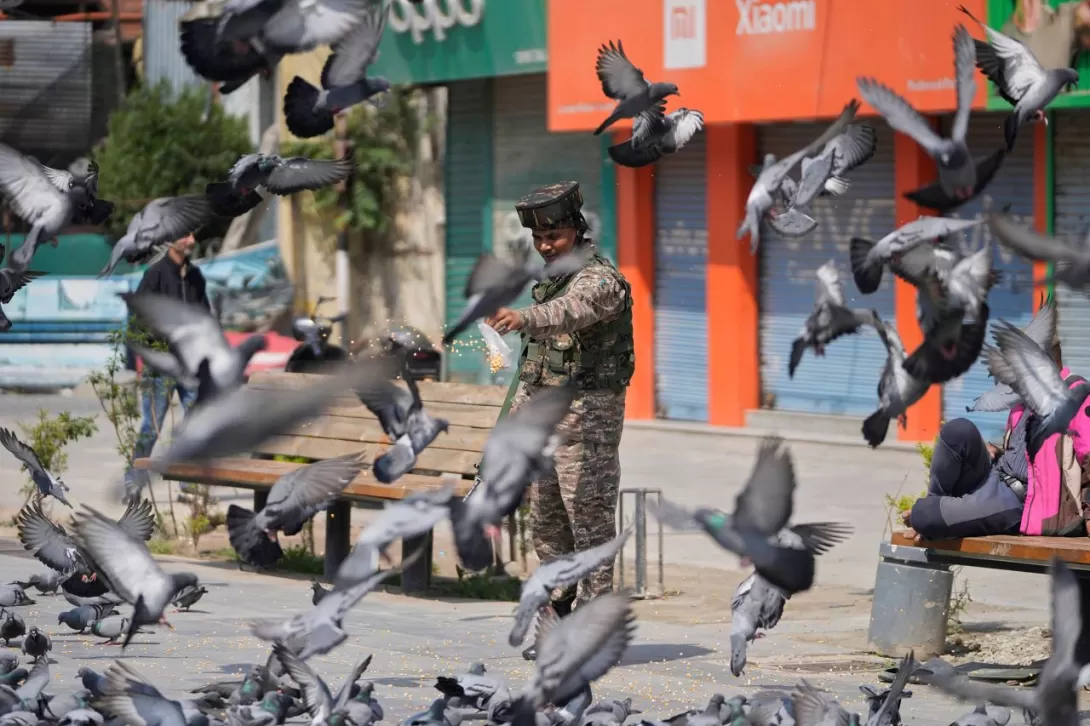
Video footage from the region showed shuttered markets coming back to life and residents moving freely through town centers—scenes unthinkable just days earlier.
Mixed Emotions: Hope, Skepticism, and Unanswered Questions
While the ceasefire has brought tangible relief, it has also stirred a complex web of emotions—relief giving way to skepticism, and hope accompanied by persistent unease.
Mohammed Tahir, a resident of Srinagar, expressed guarded optimism: “This ceasefire offers a window for stability. But if not maintained, it risks being just a temporary pause before the next storm.” His words reflect a reality that Kashmiris know too well—calm in the region has often been short-lived, disrupted by renewed hostilities.
In Jammu, lawyer Deepika Pushkar Nath noted the stark contrast between the region’s silence before the ceasefire and the sigh of relief that followed. “Everything was shut down. Markets were closed. People weren’t moving. Then came news of the ceasefire, and the atmosphere shifted dramatically,” she said.
Yet not everyone viewed the ceasefire as a moment of triumph. “Some people felt the war was ending too soon, that we should have continued until the threat was neutralized,” Nath added. “There’s also a lingering question: why is Pakistan celebrating? Did we concede something? It’s creating confusion.”
The Political Undertone: Symbolism, Perception, and Strategic Messaging
While residents return to routine, the ceasefire’s implications ripple beyond local sentiment. International observers, including the United States, have taken note of the development, with statements suggesting behind-the-scenes diplomatic efforts.
President Donald Trump’s social media post announcing the ceasefire was met with both relief and wariness. Some locals interpreted it as a sign of international pressure pushing both nations toward de-escalation. Others questioned the motivations and potential trade-offs made during negotiations.
India’s strategic messaging has emphasized strength and sovereignty, portraying the ceasefire not as capitulation but as a responsible pause. However, the psychological impact of seeing adversaries celebrate has stirred nationalist sentiment and renewed calls for a more assertive posture.
A Ceasefire or a Countdown? What Lies Ahead for Kashmir
While the current lull in violence has allowed for a semblance of normal life to resume, the region remains on edge. History has shown that ceasefires in Kashmir are often tenuous, undermined by either tactical miscalculations or broader strategic shifts.
For now, civilians are choosing hope over despair. Schools may reopen, shops will resume business, and children might return to playgrounds. But until a sustainable political solution emerges, each morning will begin with the silent question: how long will this peace last?
As one resident put it, “We’re thankful for the silence, but the echo of war is still fresh in our minds.”
Comments