Just hours after India and Pakistan publicly agreed to halt all military hostilities across land, sea, and air, the Pakistani Army initiated unprovoked shelling along the Line of Control and deployed drones targeting Indian positions. The renewed aggression, which led to the death of a Border Security Force (BSF) soldier and injuries to seven others, signals a critical disconnect between Pakistan’s civilian leadership and its military establishment. Despite formal announcements from Pakistani government officials affirming the ceasefire, ground-level hostilities and escalating drone incursions suggest that the fragile truce is rapidly unraveling, pushing the region back toward heightened instability.
Ceasefire Agreement Undone Within Hours
On Saturday, both India and Pakistan announced a formal ceasefire agreement, spearheaded by the directors general of military operations from each side. The agreement—backed by top diplomats including Indian Foreign Secretary Vikram Misri—was intended to bring an immediate halt to ongoing military actions following four days of escalating conflict.
According to the accord, hostilities were to cease on land, in the air, and at sea beginning 5 p.m. that evening. However, within hours of this declaration, Pakistan’s armed forces launched a barrage of artillery fire across several sectors, directly contradicting the agreed terms and raising questions about the military’s adherence to civilian directives.
Cross-Border Shelling and Drone Intrusions
The ceasefire was swiftly violated across multiple sensitive sectors along the Line of Control and the International Border, including Akhnoor, Sunderbani, Naushera, the KG Sector, Mendhar, Rajouri, Poonch, Samba, and RS Pura.
One BSF trooper was killed, and seven others were injured in the sudden escalation. Beyond artillery shelling, Pakistani forces reportedly used unmanned aerial vehicles to conduct surveillance and attempt targeted strikes inside Indian territory. Indian defense units neutralized drone threats in Udhampur, Naushera, Rajouri, Poonch, Srinagar, Anantnag, and Budgam.
The intensification of drone activity represents a new layer of complexity in border security dynamics, where conventional ceasefire agreements may not adequately account for modern warfare technologies.
Rift Between Pakistan's Civil and Military Leadership
The abrupt return to hostilities has exposed a rift between Pakistan’s civilian leadership, which publicly endorsed the ceasefire, and the military establishment, which appears to be acting unilaterally.
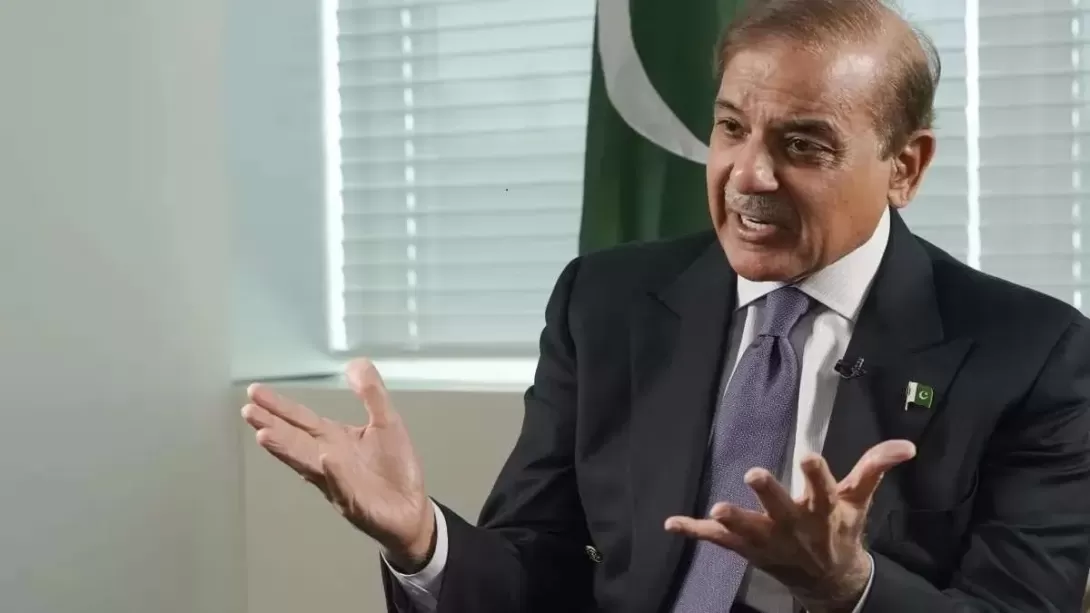
Prime Minister Shehbaz Sharif credited U.S. President Donald Trump with facilitating the truce, signaling diplomatic support for peace. Deputy Prime Minister Ishaq Dar further reinforced the government's commitment, stating that Pakistan remains dedicated to regional peace without compromising national sovereignty.
Yet the military, under General Asim Munir, has taken actions that contradict this stance, eroding the credibility of Pakistan’s commitment to the agreement and reigniting tensions with India.
Escalating Tensions and Civilian Unrest
In the Kashmir Valley, particularly in Srinagar, a series of 7–8 explosions triggered panic among civilians, prompting emergency responses and lockdowns. Reports of a drone attack in Udhampur and increased drone sightings in key districts have only added to the climate of uncertainty and fear.
This rapid deterioration of the security environment undermines recent diplomatic progress and raises the specter of a broader conflict should these violations continue unchecked.
Implications for Regional Stability
The events of the past 24 hours underscore the fragility of peace in South Asia, especially when military and civilian apparatuses operate out of sync. The erosion of the ceasefire not only jeopardizes lives along the border but also threatens larger diplomatic and economic interests tied to regional stability.
As India evaluates its next steps, the international community—particularly key stakeholders such as the United States and the United Nations—will be watching closely to see whether Pakistan can reconcile its internal divisions and restore credibility to its peace commitments.
Comments