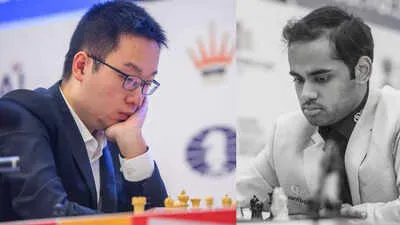
In a high-stakes clash at the Chess World Cup 2025, China’s top-rated grandmaster, Wei Yi, emerged victorious over India’s Arjun Erigaisi, ending India’s campaign in the tournament. Wei Yi, known for his aggressive style and strategic depth, showcased exceptional tactical play, neutralizing Erigaisi’s threats and asserting dominance on the board. Analysts highlight that this defeat marks a critical juncture for India’s chess ambitions, emphasizing the rising competitiveness of global chess talent. The match also underscores Wei Yi’s emergence as a formidable contender in international circuits, capable of toppling strong opponents and reshaping the narrative of elite chess competitions.
Wei Yi: China’s No. 1 Contender
Wei Yi, currently China’s highest-rated player, has established himself as a tactical prodigy with a record of notable victories against elite players. His victory over Arjun Erigaisi in the World Cup consolidates his reputation as a resilient and formidable competitor on the global stage.
Match Overview
The game was characterized by Wei Yi’s precise calculation and aggressive openings, placing Erigaisi under constant pressure. Despite India’s hopes resting on Erigaisi, Wei Yi’s strategic foresight and mid-game tactics proved decisive, culminating in a well-earned triumph that ended India’s pursuit in this edition of the tournament.
Implications for India’s Chess Aspirations
Erigaisi’s defeat highlights both the depth of competition at the global level and the challenges Indian players face against rapidly ascending international talent. Chess analysts note that consistent exposure to such high-caliber matches is crucial for India’s emerging players to refine strategy and resilience.
Wei Yi’s Road Ahead
Following this victory, Wei Yi advances to the later stages of the Chess World Cup, reinforcing his status as a potential title contender. His gameplay in this round demonstrates a combination of tactical ingenuity, composure under pressure, and adaptability—qualities essential for competing at the highest level.
Broader Context in Global Chess
The match underscores the increasingly competitive nature of modern chess, where emerging talents from China, India, and other nations are redefining the global hierarchy. Wei Yi’s success signals a shift in competitive dynamics, challenging established players and encouraging strategic innovation across national chess programs.
Comments