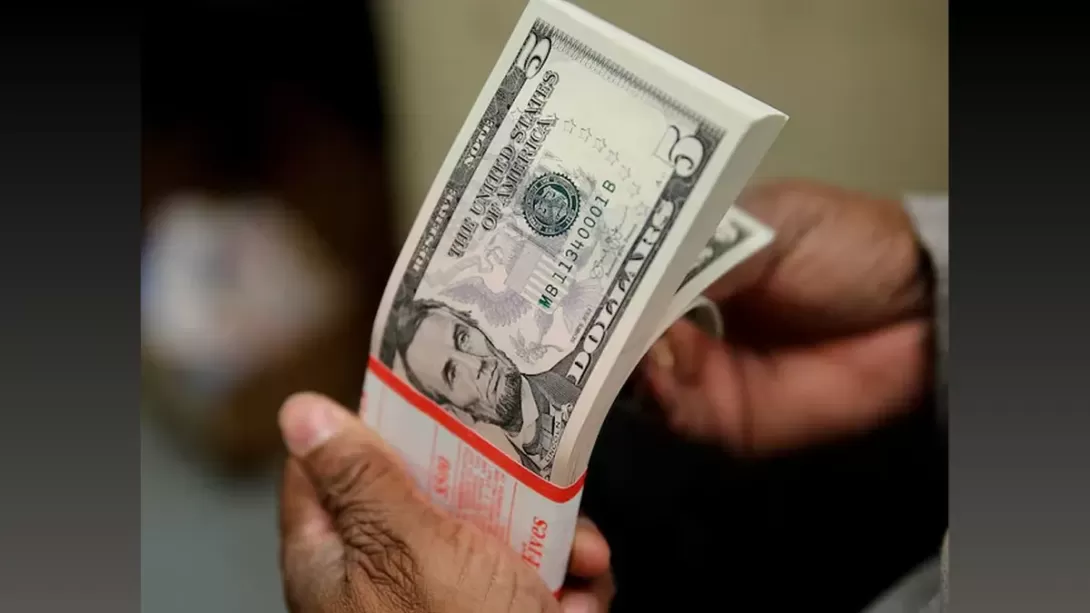
As Pakistan navigates a precarious fiscal landscape, China has pledged to refinance USD 3.7 billion in maturing commercial loans—this time denominated in Chinese yuan rather than U.S. dollars. The strategic shift, part of Beijing’s broader campaign to reduce its reliance on the greenback, is expected to help Islamabad maintain its foreign reserves in double digits through the end of June. These developments reflect the increasingly vital role of bilateral support from China in Pakistan’s macroeconomic stability, particularly as the nation faces mounting loan maturities, limited market access, and ambitious reserve targets under its ongoing IMF program.
Beijing’s Strategic Currency Shift in Lending
In a departure from past practices, Chinese financial institutions have chosen to refinance upcoming Pakistani debt obligations in renminbi (RMB) rather than the U.S. dollar. This decision aligns with China’s broader geopolitical and economic strategy to reduce its dependency on the dollar-dominated global financial system.
According to senior government officials familiar with the matter, the commitments were reaffirmed in recent bilateral discussions. The refinancing plan includes a USD 1.3 billion loan from the Industrial and Commercial Bank of China (ICBC), which Pakistan repaid earlier this year in three tranches between March and April.
The ICBC is expected to disburse an equivalent amount in yuan within days, subject to clarifications requested by the bank. This move will not only replenish Pakistan’s foreign exchange reserves but also reinforce China’s ambitions of internationalizing its currency in South Asia.
A Race Against the Fiscal Clock
Pakistan’s economic managers are working under intense pressure to meet reserve targets as mandated by the International Monetary Fund (IMF). With reserves currently around USD 11.4 billion, bolstered recently by a USD 1 billion IMF disbursement, the Chinese refinancing could raise that figure to USD 12.7 billion—albeit temporarily, before another wave of maturities hits in mid-June.
Key among these is a syndicate financing loan worth RMB 15 billion (approximately USD 2.1 billion), provided by the China Development Bank (RMB 9 billion), Bank of China (RMB 3 billion), and ICBC (RMB 3 billion). This facility is also expected to be rolled over in RMB for an extended period of three years, although the interest rate structure is still under negotiation. China has offered Islamabad two alternatives: a fixed rate or a floating rate that is not pegged to the Shanghai Interbank Offered Rate (Shibor).
IMF Pressure and Limited Market Access
Under the IMF’s current programme, Pakistan has committed to increasing its reserves to nearly USD 14 billion by the end of the fiscal year. With limited access to external commercial financing, Beijing’s support becomes essential. The IMF’s latest report acknowledged firm commitments for USD 1 billion in fresh financing and noted that key bilateral partners, notably China, continue to roll over short-term liabilities.
While international market re-entry remains constrained, the IMF anticipates Pakistan may test the waters with a modest “Panda” bond issuance in the upcoming fiscal year. A broader return to Eurobond and global Sukuk markets, however, is unlikely before FY2027—contingent upon improved policy credibility and macroeconomic indicators.
The Yuan as an Emerging Reserve Anchor
China’s insistence on yuan-denominated refinancing reflects its growing determination to position its currency as a viable alternative to the U.S. dollar in bilateral trade and financial dealings. This pivot is not unique to Pakistan but is part of Beijing’s long-term strategy to internationalize the renminbi, especially in countries that rely heavily on Chinese trade and investment.
For Pakistan, this shift could signal a new era of financial dependence rooted more firmly in yuan liquidity, potentially altering the composition of its external debt and reserve management strategy. It also underscores Beijing’s dual role as both a lender of last resort and an architect of a post-dollar global order.
The Road Ahead: Opportunities and Risks
While China's refinancing offers temporary breathing room, it is not without risks. The evolving structure of Pakistan’s debt—both in terms of currency denomination and creditor concentration—raises concerns over financial sovereignty and long-term repayment flexibility. Moreover, the exact interest terms on the restructured RMB loans remain undecided, leaving fiscal planners with a moving target in debt servicing costs.
Still, with USD 4 billion in Chinese cash deposits, USD 5.4 billion in commercial loans, and USD 4.3 billion in trade financing support, Beijing remains Islamabad’s most reliable financial anchor. The rupee’s relative stability this fiscal year, closing recently at Rs. 282.2 to the dollar, may be fleeting if external pressures intensify and if Pakistan fails to secure broader financing avenues.
Conclusion: Strategic Dependency in a Dollar-Divided World
China’s timely intervention may help Pakistan meet immediate IMF targets and avert a reserve crisis, but it also underscores Islamabad’s deepening dependency on its geopolitical ally. As the global financial landscape begins to fragment along currency and political lines, countries like Pakistan may find themselves at the center of a new multipolar monetary order—one where choices between liquidity, alignment, and sovereignty become increasingly complex.
Comments