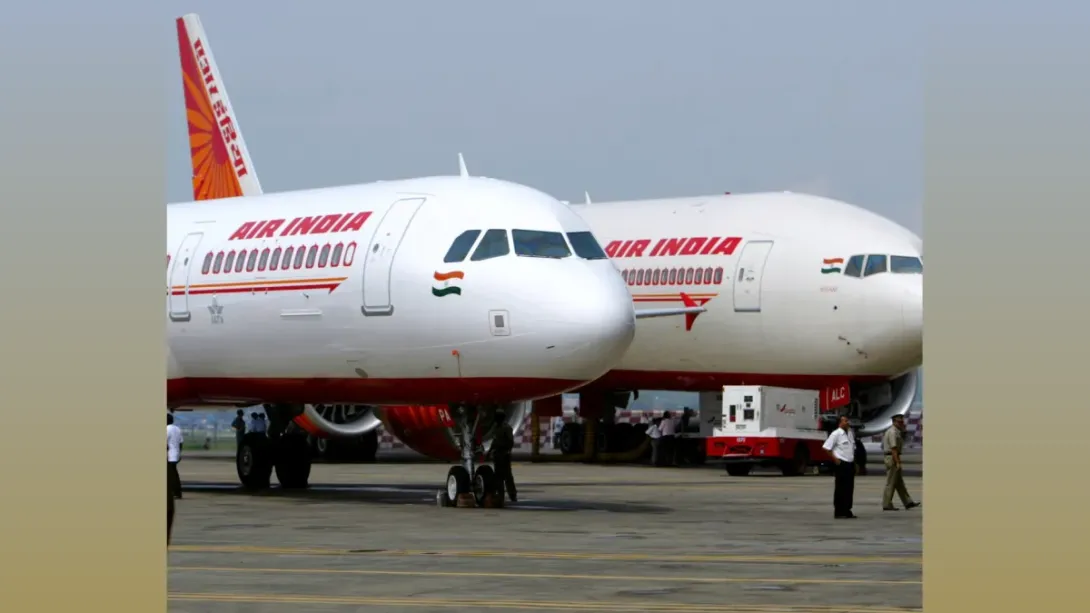
India’s Directorate General of Civil Aviation (DGCA) has initiated a formal investigation into recent concerns surrounding the deployment of the Ram Air Turbine (RAT) on Boeing 787 aircraft operating within the country. The probe comes after reports of technical anomalies affecting emergency power systems, raising questions about aircraft safety and operational reliability. The DGCA’s inquiry aims to assess whether the issues pose risks to flight safety, identify potential procedural or mechanical causes, and ensure compliance with international aviation standards. Industry analysts emphasize the importance of swift regulatory action to maintain passenger confidence and operational integrity.
Understanding RAT Deployment in Aircraft
The Ram Air Turbine (RAT) is a critical emergency power mechanism deployed on aircraft during complete engine failure or significant electrical system malfunctions. Key points include:
- Functionality: The RAT extracts kinetic energy from the airstream to generate emergency hydraulic and electrical power.
- Safety Significance: Ensures control of essential systems, including flight controls, avionics, and critical instrumentation, in emergency situations.
- Deployment Risks: Malfunctions or unintended deployments can affect aircraft stability, flight safety, and passenger confidence.
Boeing 787 operators globally monitor RAT performance closely due to its vital role in emergency preparedness.
DGCA’s Investigation Scope
The DGCA’s ongoing probe will focus on several areas:
- Technical Assessment: Examine maintenance logs, RAT deployment records, and aircraft sensor data to detect anomalies.
- Procedural Compliance: Review whether operators followed Boeing-mandated inspection and deployment procedures.
- Operator Reports: Collect inputs from Indian airlines operating the 787 regarding any RAT deployment events or system warnings.
- Regulatory Alignment: Ensure all corrective measures comply with DGCA safety protocols and international civil aviation regulations.
The investigation aims to prevent recurrence, enhance pilot training, and ensure mechanical reliability.
Implications for Airlines and Passengers
The reported RAT issues could have both operational and reputational consequences:
- Operational Disruptions: Airlines may face temporary grounding or inspection of affected aircraft, potentially impacting flight schedules.
- Passenger Confidence: Safety concerns can influence ticket bookings and airline brand perception, especially on long-haul international routes.
- Maintenance Practices: Highlight the need for rigorous preventive maintenance, system monitoring, and crew readiness.
- Global Coordination: Manufacturers, aviation authorities, and airlines may need collaborative interventions to address systemic concerns.
Experts suggest that transparent communication and timely resolution are critical to safeguard public trust in aviation safety.
Boeing’s Response and International Context
Boeing has historically issued Service Bulletins and safety advisories for RAT-related concerns, emphasizing:
- System Reliability: Enhanced diagnostics, software updates, and mechanical inspections to prevent unplanned deployments.
- Operator Guidance: Recommendations for airline maintenance crews and pilots to monitor RAT systems closely.
- Regulatory Compliance: Close collaboration with global authorities, including the FAA and EASA, to address technical and operational challenges.
The DGCA’s investigation is aligned with international aviation best practices to ensure all corrective actions are robust, documented, and enforceable.
Conclusion: Ensuring Aircraft Safety and Operational Integrity
The DGCA’s probe into Boeing 787 RAT deployment issues underscores the vital importance of proactive aviation safety oversight. By thoroughly evaluating technical anomalies, operational procedures, and manufacturer advisories, the investigation aims to mitigate risks, reinforce regulatory compliance, and uphold passenger confidence. For airlines, timely adherence to inspection protocols and maintenance standards is essential, while Boeing and other stakeholders must continue systematic improvements and global coordination. Ultimately, the inquiry highlights the ongoing commitment of India’s aviation authorities to safety, reliability, and international operational standards.
Comments