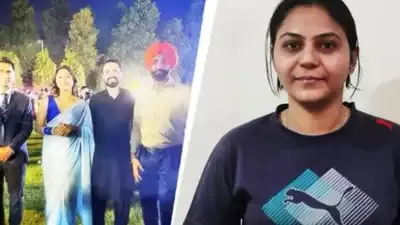
The Haryana Police have arrested YouTuber Jyoti Malhotra on charges of sharing sensitive information and maintaining suspicious ties with Pakistani nationals. Investigations suggest she was not acting alone but was part of a broader network of social media influencers potentially linked to Pakistani intelligence operatives. With a sizable online following and frequent international travels inconsistent with her declared income, Malhotra’s case raises critical questions about digital security and cross-border influence operations. Authorities continue to unravel the extent of the network, signaling intensified scrutiny on social media channels amid geopolitical tensions between India and Pakistan.
Unraveling the Allegations: Jyoti Malhotra’s Arrest and Accusations
In a significant security development, Haryana Police have detained Jyoti Malhotra, a prominent social media personality and YouTuber, under allegations of disseminating sensitive information and sustaining continuous communication with Pakistani nationals. The arrest, confirmed by Hisar SP Shashank Kumar Sawan, points to a larger conspiracy involving other social media influencers who may also maintain covert relationships with Pakistani intelligence agencies.
Malhotra, known for her YouTube channel Travel with JO which commands an audience of approximately 3.77 lakh subscribers, alongside 1.33 lakh followers on Instagram, is currently held on a five-day police remand. Authorities assert that her international travel patterns, particularly multiple visits to Pakistan and a trip to China, are disproportionate to her reported earnings, thereby raising suspicions about undisclosed funding sources.
Alleged Network of Influencers and Intelligence Links
According to police sources, Malhotra’s interaction extended beyond isolated contacts, suggesting the existence of an organized network of social media figures coordinated to influence narratives potentially favorable to Pakistani interests. SP Sawan emphasized that these influencers were being cultivated as “assets,” hinting at systematic attempts by Pakistani Intelligence Organizations (PIOs) to leverage digital platforms for strategic objectives.
The ongoing investigation is probing into Malhotra’s connections with other YouTubers and social media users who may have also maintained contact with PIO operatives. The police are examining travel records, financial transactions, and communication logs to uncover the network’s full scope and operational mechanisms.
Financial Discrepancies and International Travels
Malhotra’s frequent foreign visits, particularly to Pakistan, during periods of heightened Indo-Pak tensions have intensified official scrutiny. SP Sawan underscored that her travel details do not correspond with her declared income streams, suggesting potential undisclosed financial support from foreign entities. The discrepancy raises concerns about possible funding for covert activities under the guise of legitimate social media operations.
This financial anomaly also brings attention to the broader challenge of regulating income sources of digital influencers, who operate in a relatively unregulated space yet wield significant public influence. Authorities are closely tracking monetary flows to prevent misuse of digital platforms for espionage or propaganda.
Broader Implications: Digital Security in a Geopolitical Hotspot
Malhotra’s case underscores the increasing complexities faced by law enforcement agencies in policing digital ecosystems where geopolitical adversaries may exploit social media influencers to advance strategic agendas. The blurred lines between content creation and covert operations present novel challenges for national security apparatuses.
This investigation also reflects heightened vigilance amid ongoing Indo-Pak tensions, where information warfare and influence campaigns have become critical battlegrounds. The authorities’ focus on influencers marks a shift towards recognizing the potent role of digital platforms in shaping public opinion and cross-border narratives.
Conclusion: A Call for Robust Oversight and Vigilance
As the Haryana Police delve deeper into the network allegedly involving Jyoti Malhotra and other influencers, the episode serves as a stark reminder of vulnerabilities inherent in the digital age. For policymakers and security agencies, it signals the urgent need to develop robust frameworks for monitoring and regulating online content creators, especially those with international links.
For investors and stakeholders in the digital economy, this case highlights the delicate balance between fostering free expression and safeguarding against covert influence. Ultimately, the incident could catalyze broader reforms aimed at enhancing transparency and accountability within the burgeoning influencer ecosystem, particularly in geopolitically sensitive regions.
Comments