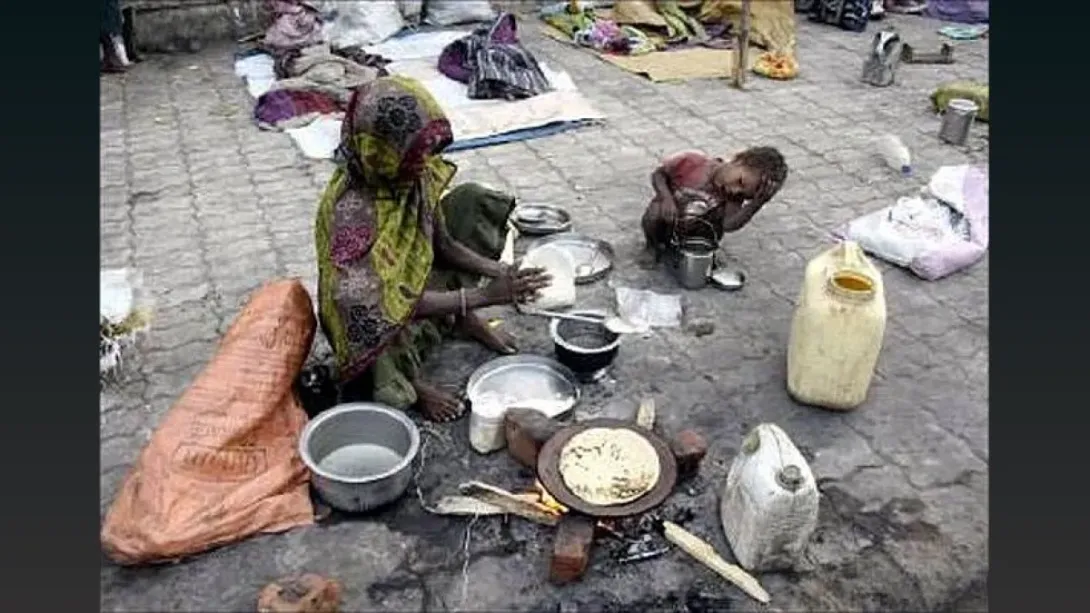
The International Fund for Agricultural Development (IFAD) is intensifying efforts to channel strategic investments into rural economies as a cornerstone for tackling global poverty. Recognizing that nearly 80% of the world’s extreme poor live in rural areas, IFAD’s approach centers on enhancing agricultural productivity, fostering sustainable livelihoods, and building resilience against climate shocks. By prioritizing infrastructure, financial inclusion, and community-led initiatives, the organization aims to transform rural landscapes into engines of inclusive growth. This renewed focus underscores a critical belief: that meaningful poverty reduction begins with empowering the rural poor to become active participants in economic progress.
Tackling Rural Poverty at Its Core
Rural communities continue to bear the brunt of poverty, with millions reliant on small-scale agriculture and informal labor that often yield meager returns. IFAD’s strategy targets this vulnerability by supporting initiatives that boost farm productivity, diversify incomes, and link farmers to broader markets.
This means investing in better irrigation systems, storage facilities, and transport networks—foundational infrastructure that reduces post-harvest losses and connects producers with consumers more efficiently. Such interventions not only uplift individual households but also stimulate local economies by creating demand for allied services, from logistics to agri-processing.
Catalyzing Financial Inclusion and Entrepreneurial Growth
A critical pillar of IFAD’s rural investment blueprint is fostering access to financial services. Many rural dwellers operate outside the formal banking sector, limiting their ability to secure credit or insurance needed to weather unpredictable setbacks. IFAD-backed programs work to establish microfinance networks and cooperative savings schemes, enabling smallholders and rural entrepreneurs to invest in improved seeds, modern equipment, or even start new ventures.
By embedding financial literacy alongside access to capital, these initiatives equip rural families to make informed economic decisions, laying the groundwork for sustainable prosperity beyond mere subsistence.
Confronting Climate Risks Through Resilience Building
Climate change poses an outsized threat to rural livelihoods, with erratic rainfall and rising temperatures undermining traditional farming cycles. IFAD has prioritized climate adaptation measures within its rural investment agenda, channeling funds into drought-resistant crops, water conservation systems, and early warning mechanisms.
Moreover, by encouraging agroecological practices—such as crop rotation, organic fertilization, and integrated pest management—IFAD aims to balance productivity with ecological stewardship. This dual focus safeguards both income stability for rural households and long-term environmental health.
Leveraging Partnerships for Scaled Impact
Addressing rural poverty at scale demands collaboration across governments, private enterprises, and grassroots organizations. IFAD actively forges partnerships to pool expertise and financing, thereby amplifying the reach and durability of its interventions.
For instance, joint ventures with local governments often involve co-financing arrangements, where IFAD’s contributions are matched by state or provincial budgets. This shared responsibility model not only stretches resources further but ensures local ownership, which is essential for sustained success.
A Strategic Pathway to Global Development Goals
IFAD’s sharpened focus on rural investment aligns directly with the UN Sustainable Development Goals, particularly the aim to eradicate poverty and hunger by 2030. Given that rural areas are pivotal to global food systems, their revitalization holds broader implications for nutritional security, gender equality, and economic diversification.
By transforming rural communities from centers of vulnerability into hubs of innovation and productivity, IFAD’s initiatives offer a roadmap for inclusive development that resonates far beyond the countryside.
Comments