The International Monetary Fund (IMF) and the Government of Pakistan have entered a critical phase of discussions aimed at finalizing the fiscal blueprint for FY2025–26 under the ongoing USD 7 billion Extended Fund Facility (EFF) and the Resilience and Sustainability Facility (RSF). Although high-level policy meetings began on May 19, outcomes remain pending, prompting a delay in the federal budget announcement. Key areas under negotiation include tax reforms, fiscal consolidation, monetary tightening, and energy sector restructuring. Both parties have reaffirmed their commitment to macroeconomic stability, with further dialogue expected in the coming days to finalize an agreement.
Fiscal Blueprint in Focus: Budget Talks Continue
The IMF’s technical mission, currently engaged with Pakistani authorities in Islamabad, is working through the complexities of finalizing the federal budget for FY2025–26. According to a statement from IMF Mission Chief Nathan Porter, the discussions have been “constructive,” although conclusive agreements have not yet been reached. As a result, Pakistan has deferred its budget announcement to June 10, highlighting the sensitivity and high stakes of these negotiations.
The dialogue centers around securing fiscal consolidation while maintaining vital social spending. A key goal is achieving a primary budget surplus of 1.6% of GDP, a figure deemed necessary for maintaining debt sustainability and restoring international investor confidence.
Revenue Expansion and Structural Tax Reforms
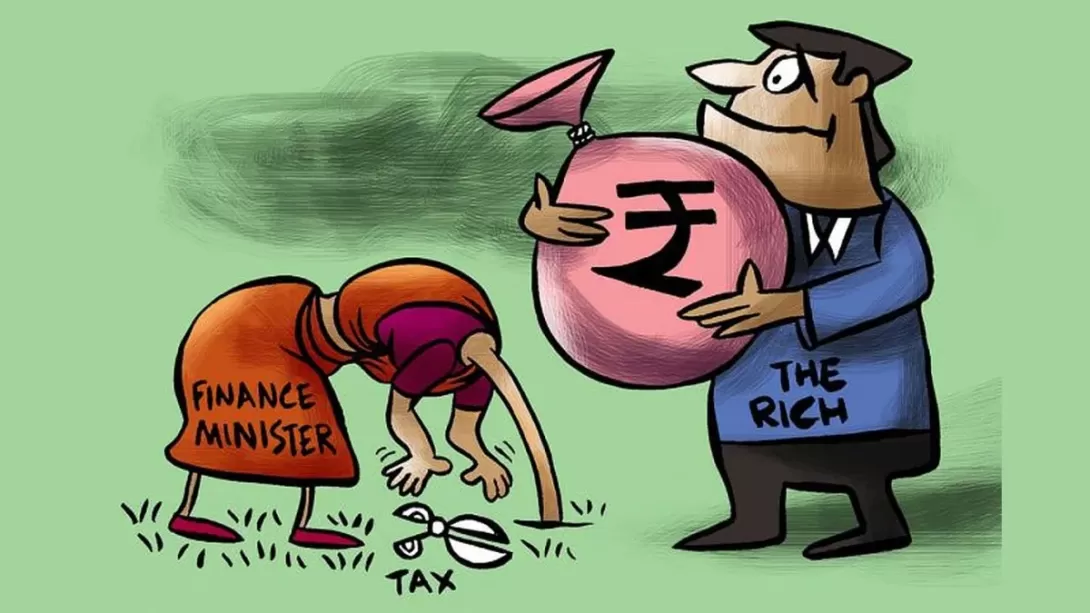
A cornerstone of the IMF’s fiscal guidance involves expanding Pakistan’s tax base and improving compliance mechanisms. These reforms aim to reduce dependence on indirect taxation and broaden the reach of direct taxes to include under-taxed sectors of the economy. The objective is not only to raise revenue but also to create a fairer and more efficient taxation system.
Such measures, while politically challenging, are viewed as essential for transitioning Pakistan away from its recurrent cycles of fiscal imbalance and external borrowing.
Energy Sector Overhaul: A Long-Awaited Reform
The reform of Pakistan’s energy sector remains a central tenet of the IMF's conditionalities. Talks have reportedly included measures to reduce systemic inefficiencies, cut subsidy burdens, and realign electricity tariffs with cost structures.
By improving the financial viability of energy producers and distributors, the government hopes to attract fresh private investment into the sector, resolve chronic circular debt issues, and ultimately reduce the cost of doing business—an area critical for industrial revival.
Monetary Policy: Inflation Control and Currency Flexibility
The IMF has reiterated the importance of tight, data-driven monetary policy to anchor inflation expectations. With inflation still elevated, the central bank is expected to maintain a restrictive stance until price stability is firmly achieved. The medium-term inflation target has been set between 5–7%, and policymakers are under pressure to deliver results without stifling growth.
Additionally, the Fund has emphasized the need for rebuilding foreign exchange reserves and maintaining a flexible, market-driven exchange rate regime. This is seen as pivotal in shielding the economy from external shocks and improving investor sentiment.
Geopolitical Tensions Cast a Shadow
While Pakistan continues to engage with the IMF on economic grounds, political headwinds remain. India has raised formal objections to the IMF’s disbursements, citing concerns that the funds may indirectly support destabilizing activities across borders. Indian Defence Minister Rajnath Singh has called on the IMF to reconsider further tranches, though the IMF board proceeded with approval of the second disbursement earlier this month.
The IMF, for its part, has maintained its focus strictly on economic performance metrics and structural reforms, emphasizing its neutrality and commitment to supporting member states under established protocols.
Next Steps and Outlook
The IMF has signaled that the next formal mission review under the EFF and RSF will take place in the second half of 2025, suggesting that ongoing technical engagement will continue in the interim. If Pakistan can demonstrate progress on agreed reform benchmarks, it stands to gain not only financial disbursements but also renewed credibility among global investors and multilateral partners.
The road ahead, however, remains arduous. Achieving fiscal discipline, structural reform, and macroeconomic stability simultaneously is a delicate balancing act—especially for an economy under external pressure and domestic political volatility.
Conclusion
As Islamabad and the IMF continue delicate budget negotiations, the stakes extend well beyond fiscal spreadsheets. These talks represent a litmus test of Pakistan’s willingness and capacity to reform its economic architecture. With the IMF providing both guidance and guardrails, the next few weeks could shape not only the country’s immediate fiscal landscape but its long-term trajectory toward sustainable development and financial independence.
Comments