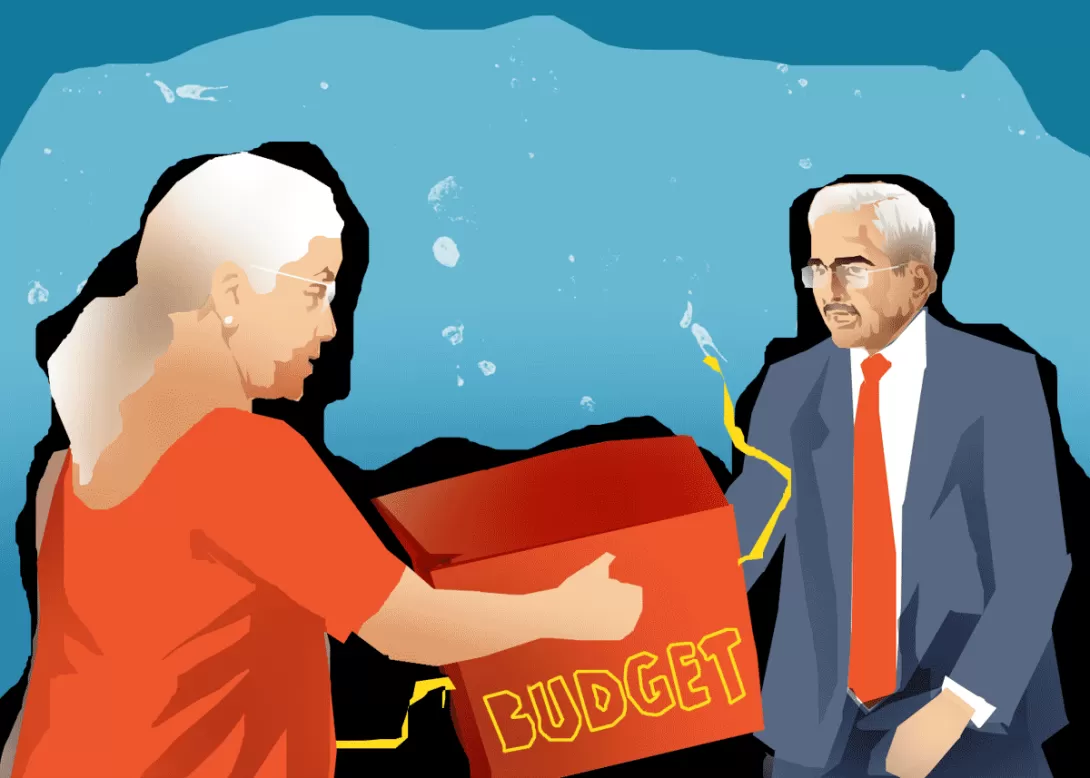
The International Monetary Fund (IMF) has imposed 11 new stringent conditions on Pakistan as a prerequisite for releasing the next tranche of its bailout package, bringing the total conditions to 50. These include parliamentary approval of a Rs 17.6 trillion federal budget, adjustments in energy tariffs, and reforms in agriculture taxation and governance. The IMF also cautioned that escalating India-Pakistan tensions pose significant risks to Pakistan’s fiscal stability and reform agenda. Despite heightened geopolitical uncertainty, Pakistan’s defence spending has surged, reflecting the fragile security landscape. The conditions underscore IMF’s insistence on structural reforms amid mounting economic and geopolitical headwinds.
IMF’s Enhanced Conditions Reflect Economic and Political Strains
The IMF’s latest assessment has added 11 new conditionalities to Pakistan’s ongoing bailout programme, underscoring concerns over the country’s fiscal discipline and reform trajectory. Among the most critical requirements is securing parliamentary approval for the upcoming fiscal year’s Rs 17.6 trillion budget by June 2025, a step deemed essential to meet programme targets. The budget includes Rs 1.07 trillion earmarked for development expenditure, signaling continued investment needs despite fiscal constraints.
Further fiscal tightening is mandated through an increased debt servicing surcharge on electricity bills and the removal of restrictions on importing used vehicles, currently limited to cars less than three years old. This latter reform aims to liberalize trade and stimulate the automotive market, responding to longstanding demand for greater import flexibility.
Rising Defence Expenditure Amid Regional Tensions
In a context of heightened tensions with India, Pakistan’s defence budget has risen significantly. The IMF report lists a Rs 2.414 trillion defence allocation, marking a 12% increase, though the Pakistani government has proposed an even higher figure exceeding Rs 2.5 trillion — an 18% jump — in response to recent cross-border conflicts. These include India’s ‘Operation Sindoor’ precision strikes on terror infrastructure and Pakistan’s subsequent retaliatory attacks.
The conflict, which peaked in early May with drone and missile exchanges, concluded with an understanding between the two countries to cease hostilities by May 10. Nonetheless, the escalation has intensified economic pressures, with the IMF warning that sustained or worsening tensions could jeopardize Pakistan’s fiscal and external balance, as well as delay much-needed reforms.
Governance and Fiscal Reforms: A Blueprint for Structural Adjustment
Beyond budgetary issues, the IMF has introduced governance reforms as integral components of the bailout conditions. Pakistan is required to publish a governance action plan addressing vulnerabilities identified in the IMF’s Governance Diagnostic Assessment, promoting transparency and accountability.
Provincial reforms are equally emphasized, with a new mandate for federating units to implement comprehensive Agriculture Income Tax laws. This includes establishing operational platforms for tax return processing, taxpayer registration, public awareness campaigns, and compliance improvements — all due by June.
Additionally, the government must submit a strategic plan outlining the post-2027 financial sector regulatory framework to ensure long-term institutional stability.
Energy Sector Overhaul to Address Circular Debt
Energy reforms form a significant part of the IMF’s conditions, aimed at eliminating inefficiencies that have exacerbated Pakistan’s circular debt crisis. The government must issue notifications for annual electricity tariff rebasing by July 1, 2025, and semi-annual gas tariff adjustments by February 15, 2026, to align tariffs with cost recovery.
Legislation making the captive power levy permanent and removing the maximum Rs 3.21 per unit cap on the debt service surcharge are also required by the end of June. These measures are designed to compel industries to shift to the national grid and ensure consumers do not unfairly subsidize sector inefficiencies.
The IMF and World Bank have criticized Pakistan’s energy policies, attributing the circular debt to governance failures and distorted tariff structures. The new conditions reflect urgent efforts to stabilize the energy sector’s financial health.
Trade Liberalization and Industrial Policy Adjustments
On trade, the IMF has mandated the removal of quantitative restrictions on used vehicle imports, initially for cars under five years old, easing existing constraints that limit imports to vehicles less than three years old. This reform, expected by July, aims to expand consumer choice and invigorate automotive commerce.
Moreover, Pakistan is tasked with drafting a plan to phase out all incentives linked to Special Technology Zones and industrial parks by 2035. This directive signals a shift toward a more sustainable and transparent industrial policy framework, with the report due by year-end.
Conclusion: Navigating a Complex Intersection of Fiscal Discipline and Geopolitical Risk
The IMF’s tightened bailout conditions for Pakistan arrive at a fraught moment, with economic fragility compounded by regional geopolitical volatility. The comprehensive reform package — spanning fiscal consolidation, energy sector overhaul, governance improvements, and trade liberalization — is designed to restore macroeconomic stability and fiscal sustainability.
However, the escalating India-Pakistan tensions introduce significant uncertainty, potentially undermining reform momentum and investor confidence. Pakistan’s ability to navigate these intersecting pressures will be critical to securing international financial support and charting a sustainable economic future.
Comments