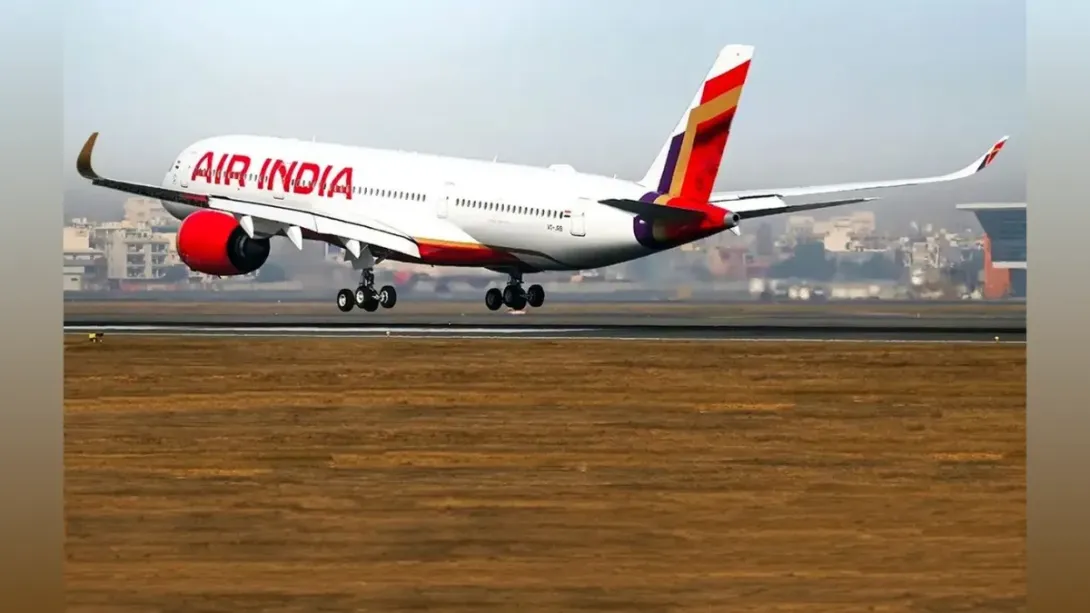
India and the wider South Asian region will require approximately 3,300 new commercial aircraft by 2044, according to Boeing’s long-term market outlook, underscoring the scale of aviation growth expected over the next two decades. Rising passenger traffic, rapid economic expansion and improved air connectivity are driving demand for new, fuel-efficient fleets. India, already one of the world’s fastest-growing aviation markets, is expected to account for the bulk of future deliveries. The forecast highlights the region’s strategic importance to global aircraft manufacturers and signals sustained investment opportunities across airlines, airports and aviation services.
Strong Growth Outlook for Regional Aviation
Boeing’s projection places India and South Asia among the most dynamic aviation markets globally. The demand for 3,300 aircraft over the next 20 years reflects a sharp increase in air travel as rising incomes and urbanization expand the flying population.
Domestic routes are expected to remain the primary growth driver, supported by improved regional connectivity and expanding low-cost carrier networks. International travel is also forecast to rebound strongly, reinforcing the need for capacity expansion.
India to Anchor Aircraft Demand
India is expected to account for the majority of aircraft deliveries in the region, driven by its large population, favorable demographics and continued economic momentum. Airlines are increasingly investing in modern fleets to improve fuel efficiency and reduce operating costs.
Single-aisle aircraft are projected to dominate future deliveries, reflecting the growth of short- and medium-haul routes. However, demand for wide-body aircraft is also expected to rise as Indian carriers expand long-haul international operations.
Fleet Modernization and Sustainability in Focus
A significant portion of new aircraft demand will come from fleet replacement, as airlines retire older, less efficient planes. New-generation aircraft offer lower fuel burn and reduced emissions, aligning with global sustainability goals and regulatory pressures.
Manufacturers and airlines alike are prioritizing technology upgrades to manage costs and meet environmental standards. This transition is expected to drive capital expenditure across the aviation value chain.
Broader Economic and Industry Implications
The anticipated aircraft demand has wide-ranging implications beyond airlines. Airport infrastructure, maintenance services, pilot training and aircraft leasing are all set to benefit from the expansion cycle.
For policymakers, the outlook reinforces the need for sustained investment in airport capacity and airspace management. Boeing’s forecast underscores aviation’s role as a critical enabler of economic growth, positioning India and South Asia as central players in the global aviation landscape over the coming decades.
Comments