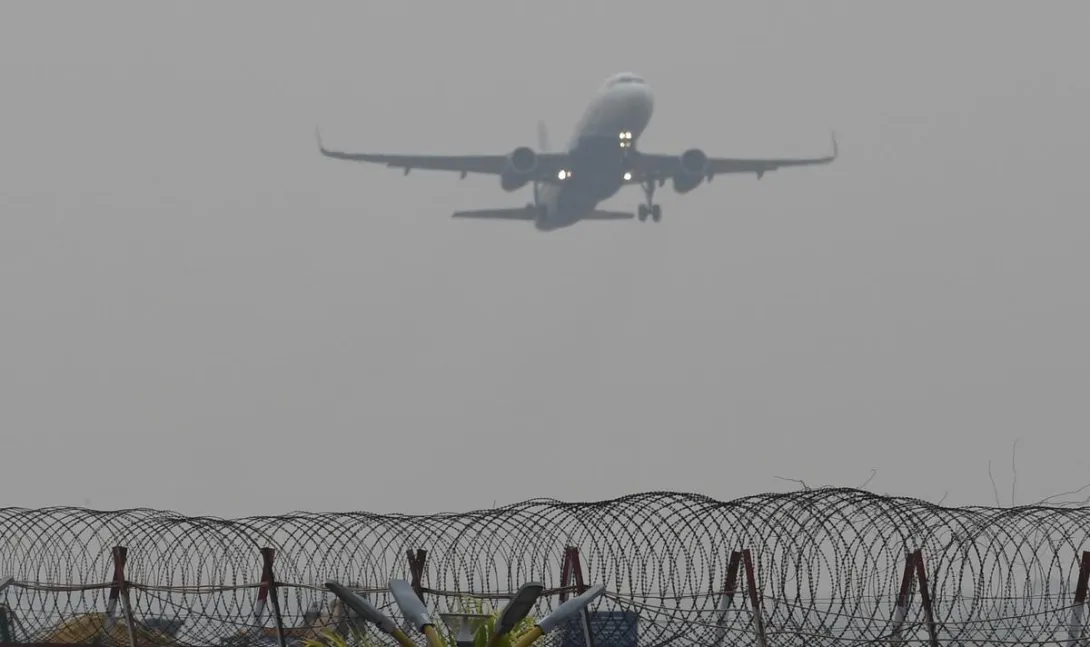
India has extended restrictions on the use of its airspace for flights to and from Pakistan, citing continued geopolitical sensitivities in the region. The decision reflects persistent security concerns and underscores the fragile state of bilateral relations between the two neighbors. By maintaining the closure, New Delhi aims to mitigate potential risks linked to cross-border hostilities while reinforcing its stance on national security. The move is expected to affect flight operations, travel routes, and commercial aviation costs, particularly for airlines relying on shorter international corridors. Industry experts note that prolonged restrictions could carry significant operational and economic consequences.
Strategic Considerations Behind the Extension
The extension of airspace restrictions is primarily rooted in national security priorities. Officials have indicated that the decision stems from continued vigilance along the border, where tensions remain high despite intermittent diplomatic outreach. By keeping its skies partially closed to flights to and from Pakistan, India intends to minimize vulnerabilities and retain control over sensitive aerial corridors.
Impact on Airlines and Passengers
The closure compels airlines to reroute flights, leading to longer travel times, higher fuel costs, and logistical challenges. Carriers operating between South Asia, the Middle East, and parts of Europe are among the most affected, as they are forced to adopt alternative paths. This not only raises operational expenses but also results in higher ticket prices and scheduling disruptions for passengers. Industry analysts suggest that if the restrictions persist, airlines may need to recalibrate their long-term network planning.
Broader Geopolitical Implications
The airspace restrictions serve as a reflection of broader India-Pakistan relations, which remain strained by recurring disputes and security concerns. While the closure is framed as a defensive measure, it carries diplomatic undertones that highlight the absence of significant progress in bilateral engagement. Aviation experts point out that such measures are often symbolic as much as practical, reinforcing a country’s political posture on the global stage.
Economic and Trade Dimensions
Extended airspace restrictions also have indirect economic implications. Longer flight paths increase the carbon footprint of international aviation, add to fuel imports, and strain the finances of already cost-sensitive airlines. Moreover, disruptions in connectivity can affect trade relations and people-to-people ties, making the move not only a security measure but also an economic one with ripple effects across sectors.
Looking Ahead
The duration of the extension has not been specified, leaving airlines and passengers in uncertainty. While India continues to monitor the regional situation closely, industry observers believe that any reversal of the decision will depend on measurable improvements in the security environment. Until then, the aviation sector will need to adapt to the operational complexities arising from restricted skies.
Comments