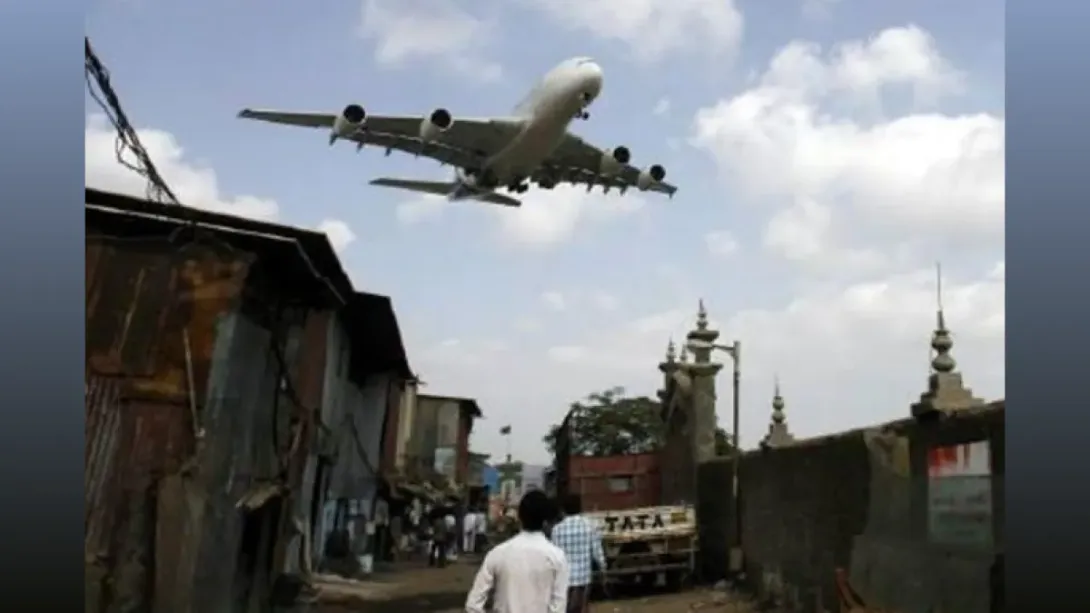
India has extended the closure of designated airspace corridors for flights to and from Pakistan until August 24, citing heightened national security concerns. The extension comes amid a broader reassessment of regional aviation protocols in response to evolving geopolitical risks. The move affects specific international routes and adds operational complexity for airlines operating between South Asia and Central or Western Asia. Authorities have remained tight-lipped on the exact rationale, but defense analysts suggest the decision is precautionary, reflecting elevated military alertness along the western border. Airlines are now navigating longer flight paths and higher costs as a result.
Strategic Rationale Behind the Extension
The airspace restriction is part of a controlled air navigation protocol enforced under India’s sovereign rights, aimed at mitigating risks in high-sensitivity zones. The directive applies to specific sectors near the India-Pakistan international border and has disrupted direct routing of several commercial and cargo flights that typically traverse that corridor.
Although officials have not publicly confirmed the reasons behind the extension, it is widely believed to be a proactive measure in response to intelligence inputs and shifting security dynamics. This move underscores India’s cautious approach to aerial threat management and border surveillance, particularly in volatile regions.
Operational Impact on Airlines
Airlines operating between key South Asian and Middle Eastern destinations are experiencing route elongations due to the closure. Carriers that rely on transcontinental traffic—especially those flying between Indian metros and destinations in Pakistan, Afghanistan, and the Gulf—are being forced to reconfigure flight paths, leading to longer flight times, increased fuel consumption, and possible schedule adjustments.
This not only increases operational costs for airlines but may also influence ticket pricing and connection efficiency for travelers. Cargo flights are similarly affected, with freight logistics companies recalibrating routes to maintain delivery schedules.
Historical Context and Precedents
Airspace restrictions between India and Pakistan are not new, often coinciding with periods of geopolitical friction. A similar closure was enforced in 2019 after the Pulwama terror attack and subsequent Balakot airstrikes, which led to reciprocal restrictions by both nations.
However, in this case, the airspace curbs are unilateral and precautionary in nature, highlighting India’s strategic autonomy in safeguarding its aviation corridors. Such measures, while disruptive, are consistent with global practices in managing risk over contested or tension-prone territories.
Broader Geopolitical Undercurrents
The decision to extend the airspace closure also aligns with a broader pattern of heightened border vigilance, amid growing regional tensions and the evolving security environment in the Indo-Pak subcontinent. Military deployments and surveillance activities have reportedly intensified in certain sectors, suggesting a layered, defense-led rationale behind the directive.
From a diplomatic standpoint, the move could be interpreted as a signal to deter hostile aerial incursions or surveillance attempts, while reaffirming India’s firm posture on territorial sovereignty and airspace integrity.
Industry Response and Preparedness
The aviation industry, while impacted, has adapted with a measured response. Airlines are coordinating with air traffic control authorities and adjusting operational plans accordingly. Industry observers note that the sector has become increasingly agile in dealing with such disruptions, given the global rise in geo-sensitive airspace advisories over the past decade.
While the current extension is temporary—set to last until August 24—there is no certainty that it will not be prolonged further, depending on the regional security situation. Airlines and travelers are advised to remain alert to further advisories from relevant civil aviation authorities.
Conclusion
India’s decision to extend airspace restrictions over routes connecting with Pakistan underscores the complex intersection of national security and commercial aviation. While the move adds logistical strain for airlines, it reflects a broader doctrine of strategic caution and border vigilance. As regional tensions remain fluid, such measures serve as a reminder of the enduring challenges in navigating diplomacy, defense, and development in tandem.
Comments