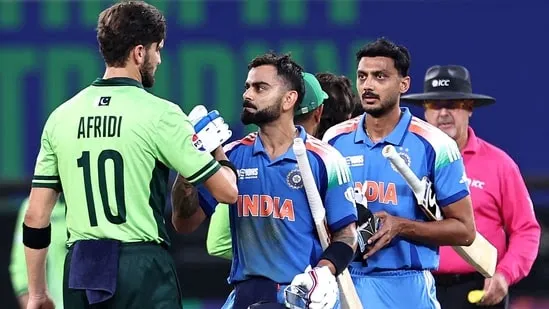
The much-anticipated India-Pakistan encounter at the Asia Cup 2025, once regarded as cricket’s ultimate box-office attraction, appears to be losing its commercial sheen. With stalwarts Virat Kohli and Rohit Sharma missing from the lineup, ticket sales have slumped, leaving organizers grappling with a reality few would have imagined a decade ago. Traditionally known for selling out within hours, the marquee contest is witnessing sparse demand, raising concerns over fan engagement, pricing strategy, and the sport’s evolving commercial dynamics in the subcontinent’s most celebrated rivalry.
Missing Icons, Missing Crowds
For years, the presence of Kohli and Sharma guaranteed electrifying anticipation, regardless of form or context. Their absence this year has left a void that current players, despite their own credentials, have struggled to fill in the eyes of spectators. Cricket in South Asia thrives on personality-driven loyalty, and the sidelining of its two biggest icons has clearly dampened the public’s emotional investment in the fixture.
Ticket Sales Struggle
Traditionally, organizers priced India-Pakistan tickets at a premium, banking on high demand and the rivalry’s historic weight. However, this year’s subdued response signals a potential miscalculation. Reports indicate that a significant portion of tickets remains unsold even as the match date approaches, suggesting fans are unwilling to pay elevated prices without marquee names on the field. This reflects a broader consumer shift in sports entertainment, where audiences weigh both value and star presence before making purchasing decisions.
Shifting Dynamics in Cricket Rivalries
The tepid demand also speaks to a larger transformation in how cricket rivalries are consumed. While India-Pakistan contests once defined the sport’s peak viewership moments, modern fans have a wider array of international cricket, T20 leagues, and digital-first formats competing for attention. Without household legends, the appeal of a bilateral or regional tournament fixture may no longer be sufficient to guarantee record-breaking crowds.
Economic Implications for Organizers
The lackluster sales threaten revenue streams not only from ticketing but also from ancillary sources such as sponsorships, merchandising, and in-stadium experiences. Broadcasters and advertisers, long reliant on India-Pakistan matches to draw unmatched ratings, may need to recalibrate expectations. If such trends persist, organizers could be compelled to reconsider pricing structures, promotional strategies, and scheduling decisions to reignite fan enthusiasm.
The Road Ahead
The Asia Cup 2025 is serving as a reminder that no rivalry, however historic, is immune to the realities of evolving consumer preferences. Cricket administrators will need to rethink how to sustain fan interest beyond personalities, focusing instead on fostering narratives around team performance, emerging talent, and competitive balance. For now, the subdued build-up to one of cricket’s grandest fixtures signals both a challenge and an opportunity—to reimagine the future of the sport’s biggest rivalry in a new commercial era.
Comments