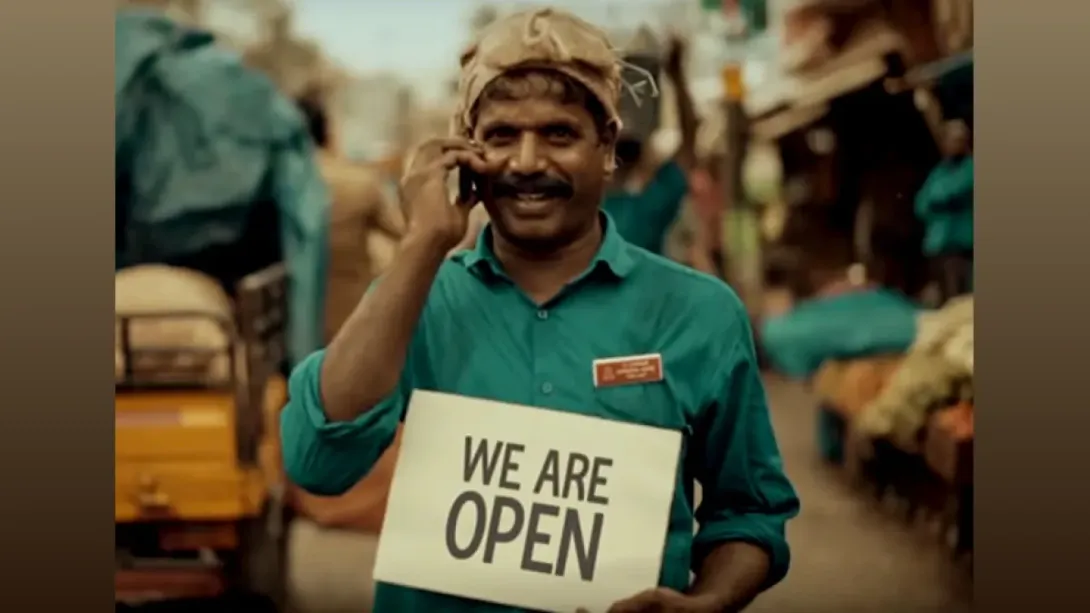
Kerala, one of India’s most sought-after travel destinations, is aiming to attract over 3 crore domestic tourists in 2025 as part of its renewed strategy to strengthen the tourism economy. Following a strong post-pandemic rebound in 2024, when the state recorded more than 2.22 crore domestic visitors, the government is intensifying efforts to broaden its appeal through innovative tourism models, cultural festivals, and enhanced infrastructure. With flagship events such as the Kochi-Muziris Biennale and the Champions Boat League on the horizon, Kerala is positioning itself as a year-round destination—balancing aggressive growth ambitions with a focus on sustainability and experiential tourism.
Rebounding From Disruptions
Kerala’s tourism industry endured multiple disruptions over recent years, including the pandemic’s economic impact and the 2024 landslides in Wayanad that temporarily dampened travel sentiment. Despite these challenges, the sector demonstrated resilience, with 2.22 crore domestic tourist arrivals last year alongside nearly 7 lakh foreign visitors. The rebound, driven largely by domestic travelers, reflected Kerala’s ability to reinvent itself through curated experiences, wellness tourism, and nature-centric offerings.
This year, the Department of Tourism is banking on stability, infrastructure expansion, and diversified travel experiences to build momentum. The objective is not merely quantitative growth but a qualitative transformation that enhances visitor experience while supporting local communities and the environment.
Strategic Growth Pillars: Experience, Infrastructure, and Innovation
To achieve the ambitious 3 crore footfall target, Kerala is focusing on three strategic growth pillars—destination diversification, product innovation, and upgraded connectivity.
Expanding Destination Portfolio
Beyond the traditional circuit of backwaters, beaches, and hill stations, Kerala is promoting unexplored regions such as Malabar, Vagamon, and lesser-known coastal areas. The state is also emphasizing eco-tourism and heritage trails to appeal to travelers seeking authenticity and tranquility.
Product and Experience Innovation
Initiatives such as “Keravan Kerala” (caravan tourism), heli-tourism, and homestay promotion under the “K-Homes” scheme are being scaled up to create distinct travel experiences. The government aims to integrate local culture, cuisine, and community-driven activities to provide travelers with immersive journeys that go beyond conventional sightseeing.
Infrastructure and Connectivity
Recognizing the importance of accessibility, Kerala is enhancing airport capacity, road networks, and digital infrastructure. New tourism circuits are being planned to reduce travel bottlenecks, while public-private partnerships are being encouraged to strengthen hospitality capacity across segments—from luxury to budget travel.
Festivals and Events as Economic Catalysts
Kerala is also leveraging event-based tourism to sustain year-round visitor engagement. Major festivals and cultural events are expected to drive demand across both domestic and international segments.
- Kochi-Muziris Biennale (Dec 2025 – Mar 2026) is projected to attract global attention, reinforcing Kerala’s reputation as a hub for art and contemporary culture.
- The Champions Boat League, running from September to December, continues to be a powerful tourism magnet, combining sport, tradition, and entertainment.
Such events not only boost hotel occupancy rates but also contribute significantly to local economies through employment, artisanal crafts, and hospitality services.
Balancing Growth With Sustainability
Kerala’s natural beauty—lush forests, beaches, and backwaters—remains its biggest asset, but it also poses a challenge: ensuring growth does not erode environmental balance. The state’s tourism strategy explicitly integrates sustainable and responsible tourism principles, encouraging low-impact infrastructure and community participation.
The government is also investing in disaster preparedness following last year’s landslides, which exposed vulnerabilities in eco-sensitive areas. Projects now undergo stricter environmental assessments, with planners emphasizing long-term ecological resilience over short-term commercial expansion.
Economic and Policy Implications
The tourism sector contributes nearly 10 percent of Kerala’s GDP, providing direct and indirect employment to lakhs of people. A 3 crore domestic visitor milestone could significantly amplify this contribution through increased consumption, GST collections, and demand for allied sectors such as transport, crafts, and local agriculture.
Moreover, success in executing this plan could serve as a national model for integrated tourism development—combining sustainability, infrastructure, and innovation. By fostering entrepreneurship and improving last-mile connectivity, Kerala’s approach may offer valuable lessons for other Indian states striving to balance economic aspirations with ecological responsibility.
Outlook: Resilience Meets Reinvention
Kerala’s push to achieve 3 crore tourist footfalls is both ambitious and achievable, given the trajectory of domestic travel trends in India. The rise of experiential travel, coupled with improved affordability and infrastructure, positions the state favorably within the national tourism landscape.
However, success will depend on seamless coordination between stakeholders—government agencies, private investors, and local communities. As Kerala moves toward this bold target, its ability to blend tradition with transformation will determine whether it can sustain growth while preserving the essence that makes it “God’s Own Country.”
If executed with foresight and discipline, Kerala’s tourism revival could emerge not just as an economic success story, but as a benchmark in sustainable destination management.
Comments