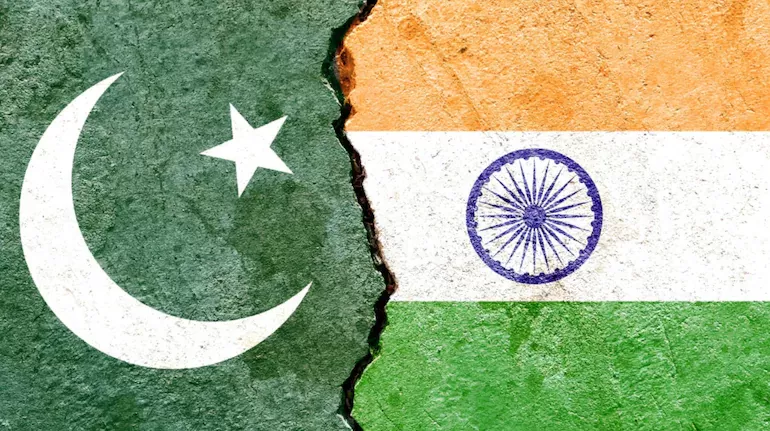
The Pakistan Stock Exchange experienced a historic single-day drop on Thursday, plunging over 6% as unfounded rumors of Indian military action near Karachi triggered panic selling across sectors. The benchmark KSE-100 index fell nearly 7,000 points before trading was temporarily halted to contain market volatility. Despite reassurances from trading floors, investor sentiment remains fragile amid fears of geopolitical escalation. In parallel, the Pakistani government imposed a temporary ban on precious metal trade and initiated tighter foreign exchange controls to prevent economic destabilization. Currency markets remain steady for now, but looming uncertainty could challenge both financial markets and bilateral trade dynamics.
A Sudden Shock: KSE-100 Crashes on Military Rumors
On Thursday, Pakistan’s capital markets witnessed one of their most turbulent sessions in recent history. The benchmark KSE-100 index collapsed by 6,948.73 points, marking a 6.32% drop that brought the index down to 103,060.30. Trading was halted for an hour as the market reeled from unverified reports suggesting potential Indian military activity near Karachi.
Though the rumors were eventually dismissed as baseless, the damage had already been done. Panic selling ensued across sectors, reflecting a lack of investor confidence and the heightened sensitivity of financial markets to geopolitical instability.
Sectoral Meltdown: Cement, Banking, and Energy Lead the Decline
The sell-off was broad-based, but several key sectors led the downward spiral. Stocks in cement, banking, energy, and technology saw some of the sharpest declines, contributing significantly to the index’s fall. These sectors, often viewed as barometers of economic activity, appear particularly vulnerable to geopolitical shocks given their capital exposure and international dependencies.
According to traders on the floor, the initial decline triggered algorithmic and institutional sell orders, compounding the fall before the market’s circuit breaker kicked in. “The mood was tense, and liquidity dried up fast,” one senior trader said on condition of anonymity.
Government Intervention: Temporary Trade Bans and FX Monitoring
In response to the spiraling uncertainty, the Pakistani government swiftly moved to stabilize the financial environment. A 60-day nationwide ban was announced on the import and export of precious metals, including gold, silver, gemstones, and jewelry. The directive, issued via a suspension of SRO 760 (2013), aims to curb the flight of capital and safeguard foreign exchange reserves.
The move is being interpreted as a preemptive defense mechanism amid rising geopolitical friction. Analysts believe that limiting the trade of high-value, easily movable commodities could prevent the illegal siphoning of wealth during a crisis.
In addition, the State Bank of Pakistan has informally directed currency dealers to closely monitor dollar outflows in both the interbank and open markets. Given the rupee’s vulnerability to external shocks, especially during conflicts, this measure is intended to prevent speculative attacks and maintain exchange rate stability.
Currency Market on Edge: Quiet for Now, but Risks Loom
While the equity market cratered, the currency markets remained relatively calm—at least for the moment. Zaffar Paracha, General Secretary of the Exchange Companies Association of Pakistan, noted that there had been no immediate panic buying of U.S. dollars. “If the situation remains contained, we have enough liquidity. But if a prolonged conflict arises, it will strain both economies significantly,” he said.
A more subtle but potentially destabilizing concern lies in the remittance infrastructure. Over 90% of remittances to Pakistan are funneled through Indian exchange companies operating out of West Asia. Should the political situation deteriorate further, this crucial financial channel could become a pressure point. Currency dealers have warned that these intermediaries might be leveraged as economic tools in the event of a broader conflict.
Investor Sentiment and Outlook: Fragility Persists
Despite a temporary calming of the floor after trading resumed, investor confidence remains precarious. Fatima Bucha of AKD Securities remarked that the situation had stabilized “a bit,” but emphasized that uncertainty is still the overriding sentiment. “No one knows what will happen next or how either government will react,” she said.
From a market perspective, the near-term outlook remains clouded by geopolitical risk. Traders and analysts agree that unless tensions ease, Pakistan’s capital markets may face continued volatility, potentially triggering capital outflows, higher inflation, and a further depreciation of the rupee.
Conclusion: Fragile Markets in the Shadow of Geopolitical Risk
The sharp sell-off on the Pakistan Stock Exchange underscores a broader truth in emerging markets—when politics turn volatile, financial systems absorb the shock immediately. Though no military action occurred, the mere rumor of escalation was enough to send shockwaves across sectors and rattle currency markets. As Pakistan braces for potential aftershocks, the government’s interventions will be tested for effectiveness, and the resilience of its economic framework will face one of its most severe stress tests in recent years.
Comments