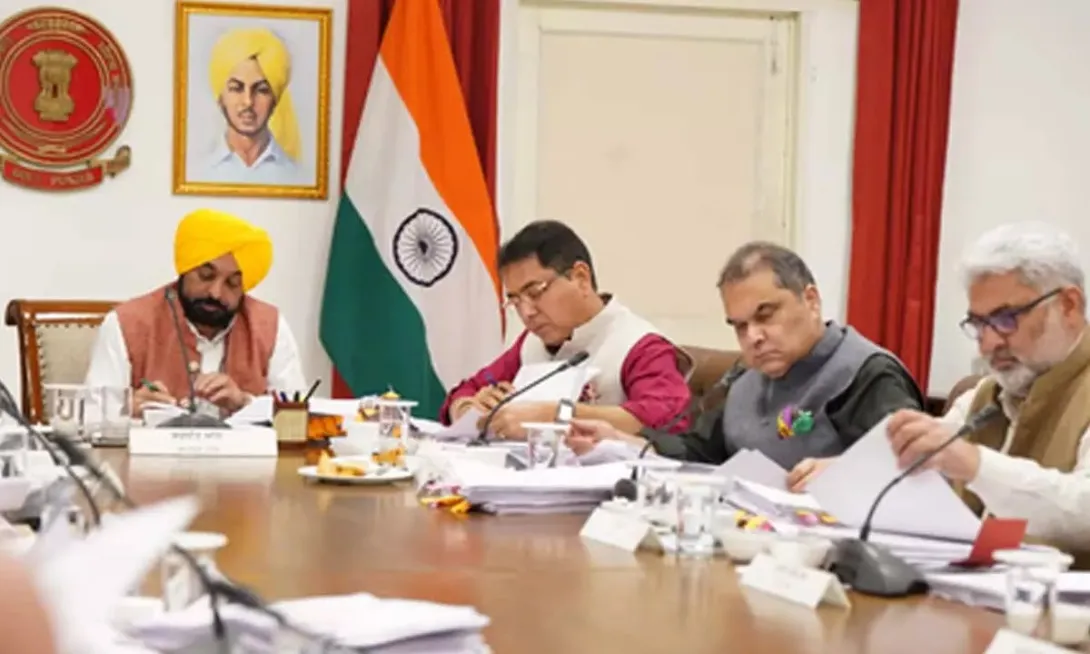
The Punjab Cabinet has approved the recruitment of 311 nurses to reinforce the staffing capacity of the state’s Health and Family Welfare Department. The new hiring move is part of a broader strategy to strengthen public healthcare delivery, reduce workload on existing staff, and expand access to quality medical services. In addition to these appointments, the state is already in the process of onboarding more than 400 additional nurses and has recently completed the transparent recruitment of 800 doctors, including 175 specialists across key medical disciplines. The decision underlines the government’s commitment to modernizing and scaling up its healthcare infrastructure.
---
Cabinet Approval Marks Major Step in Healthcare Expansion
The Punjab Cabinet’s decision to recruit 311 nurses reflects a targeted push to enhance the capacity of government hospitals, primary health centers, and community health institutions. With rising patient loads and expanding public health obligations, the state administration has identified nursing shortages as a critical bottleneck to service delivery.
Officials noted that the newly sanctioned positions will help improve patient-to-nurse ratios, accelerate treatment timelines, and reduce operational pressure on existing staff. The approval underscores health sector reinforcement as a key policy priority.
---
Parallel Hiring Efforts Already Underway
The recruitment of 311 nurses is only one component of a larger statewide workforce expansion. The government has initiated the onboarding process for over 400 additional nurses, expected to begin duty by the first week of December. This is part of a phased approach to ensure continuous strengthening of the public healthcare network.
Earlier, the state completed the hiring of 800 medical doctors, conducted through a transparent and merit-based selection system. Among them, 175 specialists have been appointed in high-demand fields such as paediatrics, medicine, obstetrics and gynaecology, and surgery—reinforcing specialized care capabilities across the system.
---
Impact on Healthcare Quality and Service Delivery
By increasing frontline nursing staff, Punjab aims to bridge critical workforce gaps that affect patient outcomes. Nurses are central to preventive care, emergency response, clinical monitoring, and community-level outreach—areas where shortages can significantly weaken health metrics.
The additional staffing is expected to:
Improve patient management in high-load hospitals
Strengthen maternal and child health programmes
Boost preparedness for public health contingencies
Enhance overall institutional efficiency
These outcomes align with the state’s renewed emphasis on accessible, reliable, and equitable healthcare.
---
Fiscal and Administrative Considerations
From an administrative perspective, the recruitment drive signals the government’s willingness to allocate substantial financial resources toward human capital in healthcare. Although increased payroll costs will form part of the state’s recurring expenditure, the long-term benefits—reduced medical complications, better preventive care, and higher institutional trust—may offset these costs.
Furthermore, filling sanctioned posts ensures optimum utilization of existing infrastructure, reducing inefficiencies caused by understaffing.
---
Political and Public Implications
Politically, the initiative strengthens the administration’s narrative around governance reforms and public-oriented welfare measures. It also comes at a time when citizens increasingly expect robust public health systems, especially in the post-pandemic environment.
For the public, the decision offers reassurance of improved service delivery, shorter waiting times, and better access to trained medical personnel. It also signals a shift toward systematic planning rather than ad-hoc staffing decisions.
---
Long-Term Outlook: Strengthening Healthcare Resilience
While the addition of 311 nurses and ongoing recruitment efforts mark significant progress, long-term resilience will require sustained focus on training, retention, and career advancement opportunities for health workers. Competitive working conditions, skill-upgradation programmes, and workplace safety will be essential to keeping talent within the public sector.
The Cabinet’s decision represents a strong administrative step, but continuous investment and policy continuity will determine the true transformation of Punjab’s healthcare landscape.
Comments