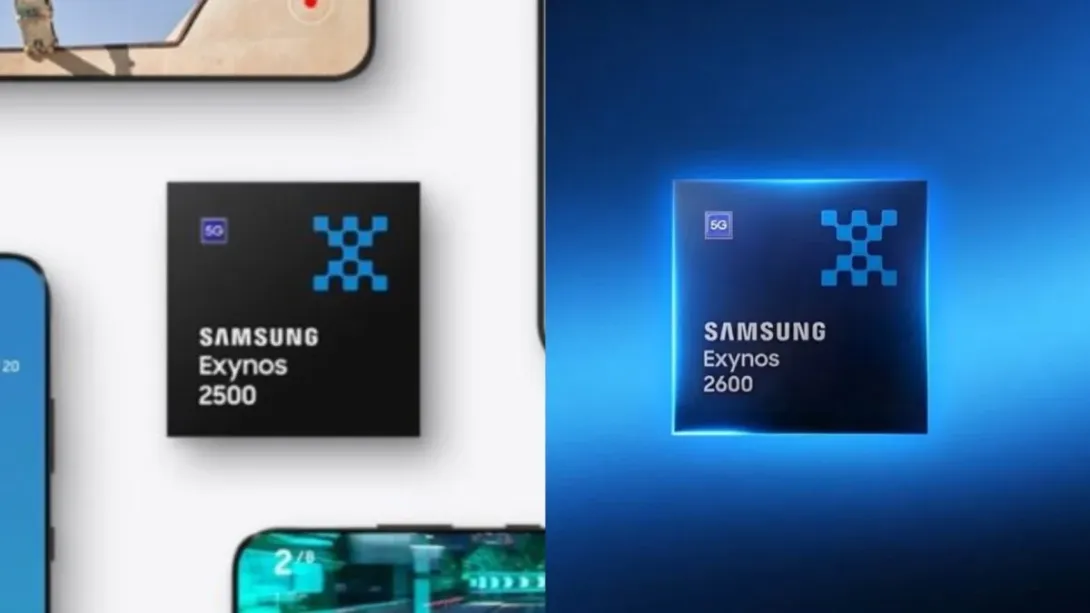
Samsung Electronics has unveiled the Exynos 2600, marking a breakthrough as the world’s first 2-nanometer (nm) mobile processor. The chip promises unprecedented performance and energy efficiency, setting a new benchmark in semiconductor technology. Analysts highlight that the 2nm architecture will enable faster processing, improved battery life, and enhanced AI and graphics capabilities for next-generation smartphones and devices. Samsung’s milestone reinforces its leadership in cutting-edge chip design amid global competition from TSMC, Qualcomm, and Intel. The launch is expected to accelerate innovation in mobile computing, gaming, and artificial intelligence applications, while strengthening South Korea’s strategic position in the global semiconductor market.
Technological Advancements
The Exynos 2600 leverages Samsung’s 2nm process node, allowing for higher transistor density, lower power consumption, and superior computational efficiency. This translates to faster CPU and GPU performance while reducing heat generation and extending battery longevity in mobile devices.
The chip also incorporates advanced AI accelerators, enabling sophisticated on-device machine learning and real-time data processing for applications such as augmented reality, gaming, and voice recognition.
Implications for the Mobile Industry
Samsung’s 2nm processor positions the company at the forefront of mobile semiconductor innovation, offering a competitive edge against rivals. The Exynos 2600 is expected to power flagship smartphones, foldable devices, and high-performance computing applications, meeting growing consumer and enterprise demands for speed, energy efficiency, and AI capabilities.
Industry experts suggest that the launch could influence supply chain dynamics, drive adoption of cutting-edge chipsets, and stimulate innovation across global OEMs and device manufacturers.
Strategic and Market Impact
The introduction of the 2nm chip reinforces Samsung’s strategic commitment to research and development in advanced semiconductors. This breakthrough strengthens South Korea’s role in the global chip market, enhances export potential, and bolsters national technological leadership amid geopolitical competition in semiconductor manufacturing.
Investors view the launch as a potential growth driver for Samsung’s semiconductor division, with implications for revenue, market share, and technological influence in the coming years.
Outlook: Driving the Next Era of Mobile Computing
The Exynos 2600 represents a paradigm shift in processing power and energy efficiency, enabling a new class of devices with superior performance and battery life. As consumer demand for AI-driven applications, high-definition gaming, and seamless multitasking grows, the 2nm chip is expected to catalyze innovation in smartphones, IoT devices, and edge computing.
Samsung’s milestone sets the stage for industry-wide adoption of ultra-efficient semiconductors, redefining mobile computing capabilities and reinforcing the company’s global leadership in next-generation technology.
Comments