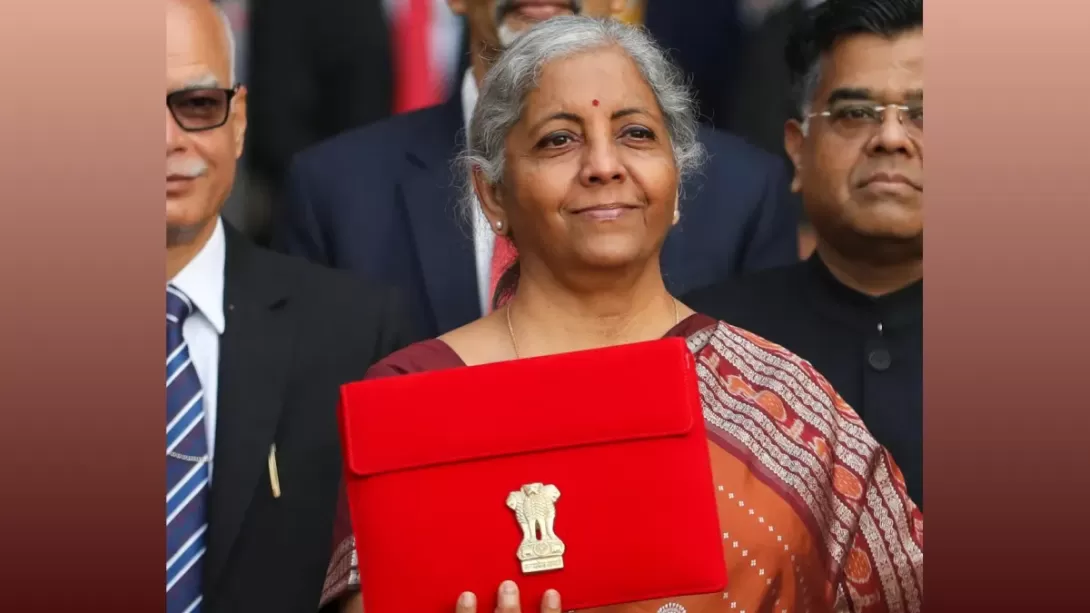
Finance Minister Nirmala Sitharaman is set to lead India's delegation to the 58th Annual Meeting of the Asian Development Bank (ADB) in Milan, Italy, scheduled for May 4-7. Sitharaman will participate in key events such as the Governors' Business Session and Governors' Plenary Session. Additionally, she will engage in high-level bilateral discussions with finance ministers from Italy, Japan, and Bhutan, as well as meet with senior officials from ADB and other international financial institutions. The event presents a unique platform for India's continued leadership in shaping global economic and climate resilience strategies.
India’s Participation in ADB’s Annual Meeting
The Asian Development Bank’s 58th Annual Meeting, slated to be held from May 4-7 in Milan, Italy, will see Finance Minister Nirmala Sitharaman lead India’s official delegation. The annual gathering will bring together the Board of Governors of ADB, international financial institutions, and member countries’ representatives to deliberate on pressing global financial challenges.
This year’s agenda focuses on addressing issues like cross-border collaboration, climate resilience, and sustainable development—key topics that align with India's broader vision of economic growth and environmental responsibility. As one of the world's fastest-growing economies, India's participation is pivotal in shaping the discourse around future resilience, particularly in the context of climate change.
Key Events and Discussions at the ADB Annual Meeting
Sitharaman’s itinerary includes participation in several high-level events during the meeting. She will attend the Governors' Business Session and Governors' Plenary Session, which serve as vital platforms for discussing economic trends and developmental priorities. These sessions will likely focus on building resilient economies in the face of global challenges like climate change, geopolitical tensions, and shifting trade dynamics.
Additionally, the Finance Minister will participate as a panelist in the ADB Governors' Seminar. The seminar, titled Cross-Border Collaboration for Future Resilience, will explore the importance of international cooperation to ensure sustainable growth and development across borders. This seminar is expected to offer critical insights into the collective actions needed to mitigate global economic risks and enhance regional stability.
High-Level Bilateral Meetings and Strategic Engagements
On the sidelines of the ADB meeting, Sitharaman will engage in several bilateral meetings with finance ministers from Italy, Japan, and Bhutan. These discussions will center around strengthening economic ties, facilitating trade partnerships, and exploring collaborative efforts on climate change initiatives. India's strategic relationships with these nations have become increasingly important as global economic integration deepens.
Moreover, Sitharaman is set to meet with the President of ADB, the President of the International Fund for Agricultural Development (IFAD), and the Governor of the Japan Bank for International Cooperation (JBIC). These meetings will be critical in fostering greater financial cooperation and aligning on developmental priorities that advance both regional and global sustainability goals.
Interaction with Global Thought Leaders and Indian Diaspora
In addition to official business, the Finance Minister will take time to interact with the Indian diaspora in Milan. This engagement highlights India’s commitment to fostering ties with its global citizenry and tapping into the immense potential of its expatriate community. Sitharaman’s interaction with business leaders and CEOs further underscores India’s growing influence in global financial circles.
A key highlight will be her participation in the NEXT Milan Forum at Bocconi University, where she will speak on the critical subject of Balancing Economic and Climate Resilience. The session will delve into how nations can harmonize economic growth with climate action, an area where India has been at the forefront with its ambitious renewable energy goals and commitment to climate agreements.
Broader Implications for India’s Global Economic Standing
India’s engagement at the ADB Annual Meeting signals its strategic positioning on the global economic stage. As a major member of the ADB, India plays a crucial role in driving initiatives that focus on inclusive development, financial sustainability, and climate action. The discussions held at the conference will help further establish India as a thought leader in global economic policy, fostering stronger international partnerships and contributing to global development goals.
The Finance Minister’s participation also reflects India’s focus on multilateral diplomacy, emphasizing collaboration over isolation as the world grapples with complex challenges. India’s proactive involvement at such forums solidifies its standing as a global economic powerhouse with a strong commitment to sustainable development and international cooperation.
Conclusion: A Platform for Shaping Global Financial Futures
The ADB’s 58th Annual Meeting offers a significant opportunity for India to influence global conversations around economic and climate resilience. Through her leadership and active participation, Finance Minister Nirmala Sitharaman is poised to reinforce India’s position at the heart of critical international discussions, fostering collaboration that will define the future of global economic policies. As the world faces mounting challenges, India’s role in shaping solutions will remain vital, and events like the ADB Annual Meeting continue to underscore the importance of cross-border cooperation in building a sustainable, resilient future.
Comments