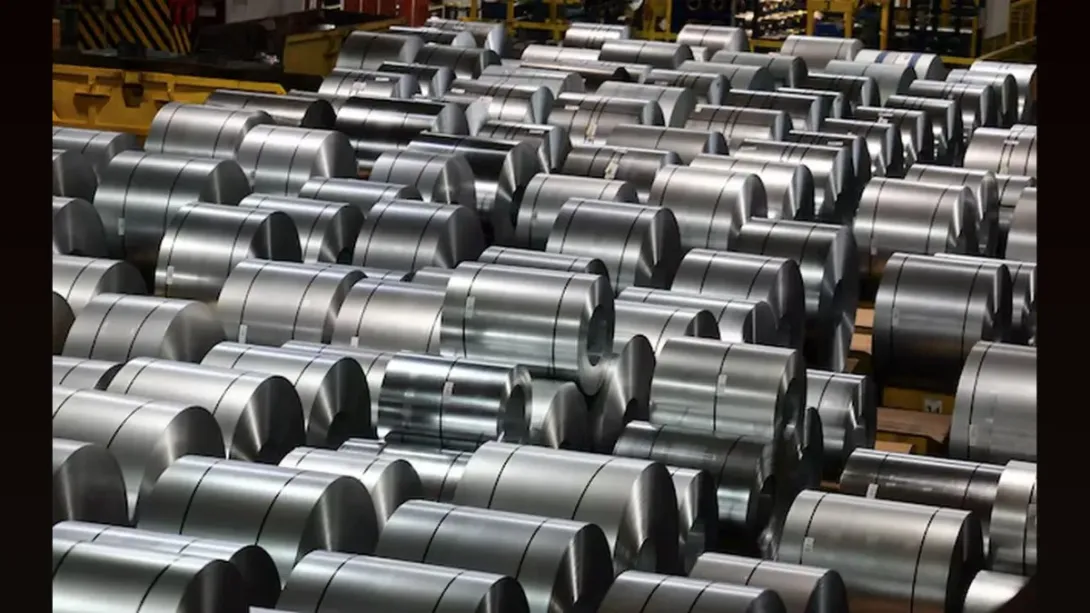
BMW Industries delivered a notable improvement in its third-quarter performance, reporting a rise in net profit to Rs 18 crore, signaling a steady recovery in operating momentum. The improvement was supported by better capacity utilization, firmer realizations in the steel segment, and disciplined cost management. Despite a challenging macro environment marked by volatile raw material prices, the company managed to protect margins and strengthen its balance sheet. The results underscore BMW Industries’ ability to adapt to shifting market conditions while maintaining focus on operational efficiency and sustainable growth.
Earnings Rebound Reflects Operational Stability
The Kolkata-based steel products manufacturer recorded a sharp increase in profitability during the December quarter, with net profit reaching Rs 18 crore compared with lower levels in the year-ago period. The rebound reflects improved operating leverage as volumes stabilized and demand from infrastructure-linked sectors remained resilient.
Management attributed the stronger bottom line to enhanced efficiencies across manufacturing facilities and better alignment of production with market demand.
Revenue Performance and Market Conditions
While overall revenue growth remained measured, realizations improved during the quarter, aided by selective price increases and a more favorable product mix. Demand from construction, engineering, and infrastructure segments provided steady offtake, partially offsetting softness in certain export markets.
The company’s focus on value-added steel products helped cushion the impact of input cost fluctuations.
Margin Management and Cost Controls
A key highlight of the quarter was tighter control over operating expenses and raw material procurement. Strategic sourcing and improved inventory management supported margins, even as global steel prices remained volatile.
Lower finance costs and efficient working capital management also contributed positively to profitability.
Balance Sheet and Capital Discipline
BMW Industries continued to prioritize balance sheet strength, with management emphasizing prudent capital allocation and debt management. Stable cash flows during the quarter allowed the company to meet operational requirements while maintaining financial flexibility.
Analysts note that sustained profitability will depend on the company’s ability to preserve margins amid cyclical pressures in the steel industry.
Outlook: Cautious Optimism Ahead
Looking forward, BMW Industries remains cautiously optimistic, supported by ongoing infrastructure spending and domestic steel demand. However, volatility in commodity prices and global economic uncertainty could pose near-term challenges.
Comments