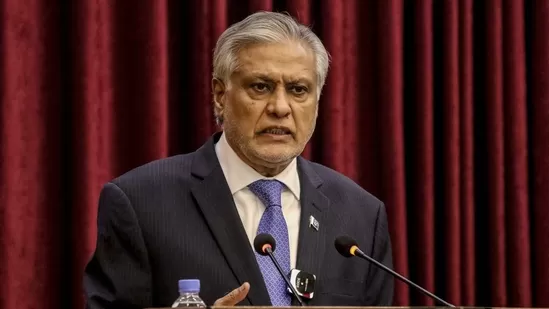
In a dramatic turn of events, India and Pakistan have agreed to an immediate ceasefire, halting a dangerous spiral of military escalation that had raised alarms globally. The announcement, confirmed by Pakistan’s Foreign Minister Ishaq Dar and echoed by U.S. President Donald Trump, marks a sudden shift from the cross-border hostilities reported just hours earlier. Both countries had traded accusations of aggressive strikes leading up to Saturday, sparking concerns of broader conflict. Now, attention turns to whether this ceasefire will hold, and whether deeper diplomatic engagement can stabilize one of the world’s most volatile geopolitical flashpoints.
Ceasefire Announced After Days of Escalation
The Pakistani government officially confirmed a bilateral ceasefire agreement with India late Saturday, with Foreign Minister Ishaq Dar stating the decision was implemented "with immediate effect." The announcement came shortly after former U.S. President Donald Trump posted on his Truth Social platform that a ceasefire had been brokered between the two nuclear-armed neighbors.
Dar’s message, shared via X (formerly Twitter), emphasized Pakistan’s longstanding position of seeking regional peace, though he firmly reiterated that such a pursuit must never come at the expense of the nation’s sovereignty or territorial integrity.
Social Media Diplomacy and Rapid De-escalation
What makes this ceasefire particularly unusual is the medium through which it was first disclosed. Trump’s use of a social media platform to announce a major geopolitical development underscores the evolving nature of international diplomacy, where traditional state channels now coexist with—and sometimes follow—online disclosures.
The Pakistani Foreign Ministry’s subsequent confirmation lent official weight to what initially appeared to be an unverified claim. Within hours, reports from regional media corroborated a cessation of hostilities along contested borders, especially in sensitive zones near Kashmir.
From Conflict to Coordination: A Critical Shift
The ceasefire follows a tense week marked by mutual recriminations between Islamabad and New Delhi. Both governments had accused each other of launching aggressive cross-border operations, with reports of missile strikes and explosions in disputed regions.
The sudden turnaround in tone suggests either a behind-the-scenes diplomatic push involving external actors or a calculated move by both sides to prevent broader destabilization—economically and militarily. Pakistan’s reiteration of its defensive posture implies that domestic and international pressures may have played a role in halting further escalation.
Economic Stability Tied to Regional Peace
This ceasefire holds implications far beyond national security. Both India and Pakistan are navigating significant economic headwinds, with Pakistan in particular facing external debt obligations, depleted foreign reserves, and the burden of recent natural disasters.
Earlier this week, the International Monetary Fund (IMF) approved a Rs. 8,300 crore ($1 billion) disbursement as part of a bailout agreement for Pakistan. Any sustained military activity could derail these fragile gains and jeopardize investor confidence. Therefore, restoring stability not only supports geopolitical calm but also acts as a bulwark against further financial erosion.
Questions Remain About Durability of Peace
While the ceasefire is being welcomed as a de-escalation milestone, analysts remain skeptical about its longevity. Past ceasefire agreements between India and Pakistan have often collapsed under the weight of political rhetoric, cross-border skirmishes, and unresolved disputes—particularly over the Kashmir region.
Future engagements between both nations will need to focus on establishing structured dialogue, implementing communication hotlines, and reactivating confidence-building mechanisms that have remained dormant for years.
Conclusion: A Narrow Escape, A Wider Opportunity
The ceasefire between India and Pakistan may have prevented a dangerous flashpoint from turning into a full-blown conflict. It represents a narrow escape from escalation, but also an opportunity to rethink bilateral engagement. While the path forward is fraught with complexity, regional peace—and by extension economic stability—may depend on whether this moment becomes a turning point or merely a temporary pause.
Comments