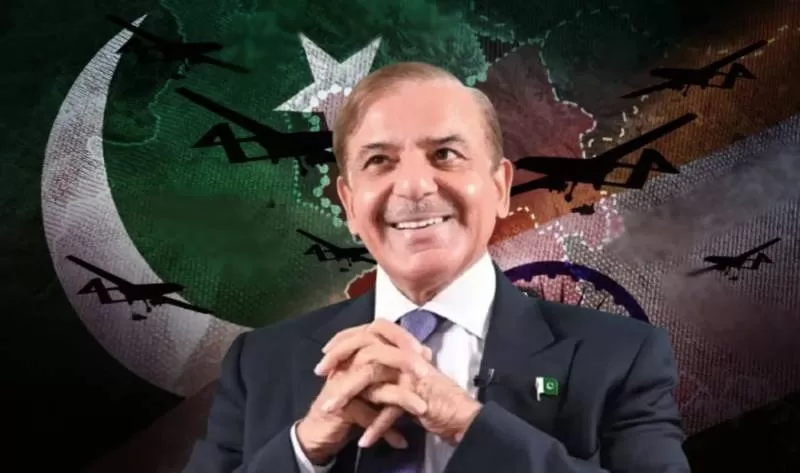
In a striking turn of regional geopolitics, Pakistan observed a national day of thanksgiving following a sudden and high-stakes ceasefire agreement with India. The move came after a series of retaliatory military exchanges along the border threatened to spiral into wider conflict. Termed “Youm-e-Tashakur,” the observance was declared to offer religious thanks, recognize the efforts of Pakistan’s armed forces, and celebrate what leaders described as a moment of national resilience. While the truce offers a temporary reprieve, the broader implications for regional diplomacy and military posturing remain deeply complex.
Pakistan Observes ‘Youm-e-Tashakur’ After Border Ceasefire
Pakistan marked a rare moment of national unity on Sunday with a symbolic day of thanksgiving after a ceasefire agreement was reached with India, ending days of intensifying hostilities across the contested border regions. The observance, known in Urdu as Youm-e-Tashakur, was officially designated by the office of Prime Minister Shehbaz Sharif and aimed at expressing gratitude to divine forces, honoring the military, and reinforcing national cohesion.
In a statement from the Prime Minister’s Office, the government emphasized that the ceasefire followed what it described as a decisive military response to Indian aggression. The armed response, titled Operation Bunyan Marsus, was portrayed as a comprehensive effort to defend the nation’s sovereignty against what Pakistan claimed were Indian strikes on multiple military installations.
Military Messaging and Strategic Signaling
Prime Minister Sharif, addressing the nation on Saturday, framed the military campaign as a historic chapter in Pakistan’s defense narrative. He asserted that the country’s armed forces had “made military history” in their counteroffensive and lauded the military establishment for executing what was depicted as a swift and successful response.
His remarks also carried a tone of strategic diplomacy, thanking unnamed international partners who, he claimed, played a role in de-escalating the conflict and restoring stability in the region. This subtle nod suggests that behind-the-scenes diplomatic channels may have played a critical role in defusing what could have otherwise escalated into a broader and more dangerous confrontation.
Religious and National Symbolism in Conflict Resolution
The observance of Youm-e-Tashakur carries religious, cultural, and political resonance. By coupling a national ceasefire with religious thanksgiving, the government sought to reframe a tense military standoff as a moment of divine favor and moral triumph. This form of narrative construction serves multiple purposes: it consolidates domestic political support, bolsters military prestige, and projects an image of spiritual fortitude in the face of external threats.
In a country where faith and patriotism are deeply interwoven, such framing is likely to resonate strongly with the public, reinforcing the state’s version of events while diverting attention from the diplomatic complexities or losses that might have accompanied the conflict.
Ceasefire’s Strategic Implications: A Pause or a Precedent?
While the ceasefire has restored a sense of temporary calm, analysts remain cautious about interpreting it as a lasting peace. The history of Indo-Pakistani relations is punctuated by episodic flare-ups, often followed by short-lived ceasefires that fail to address the deeper underlying disputes—chiefly, the status of Kashmir.
From a strategic standpoint, the latest escalation and its abrupt end highlight both countries’ precarious balancing act: asserting military strength without triggering all-out war. The episode also underscores the role of international diplomacy—whether from global powers or regional allies—in shaping outcomes behind the scenes.
For Pakistan, the decision to declare a public holiday and frame it as a divine and military victory may serve well in the short term. But for both nations, the long-term path toward peace remains tangled in unresolved tensions, nationalist sentiment, and complex geopolitical calculations.
Looking Forward: Diplomacy, Deterrence, and Domestic Politics
The ceasefire offers Islamabad a chance to recalibrate its diplomatic stance and potentially open channels for renewed dialogue. However, whether this leads to substantive negotiations or simply delays the next crisis is unclear.
For now, Pakistan's leadership has chosen a tone of triumph and gratitude, using Youm-e-Tashakur to signal both confidence and cohesion. As the region watches closely, the real test will be whether this fragile pause becomes a foundation for peace—or merely a breather before the next round of confrontation.
Comments