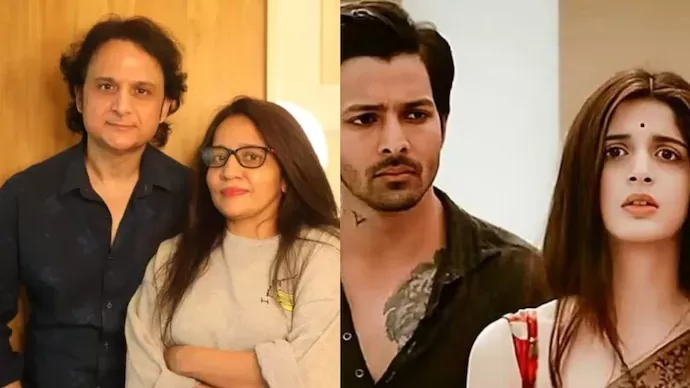
In the aftermath of Operation Sindoor—a retaliatory strike by India following the tragic Pahalgam attack that claimed 26 lives—eminent Bollywood filmmakers Radhika Rao and Vinay Sapru have spoken out against the involvement of Pakistani actors in Indian entertainment. Citing national interest and the continuing toll of cross-border terrorism, the directors called for a total disengagement from artists across the border, regardless of their past affiliations with Indian cinema. Their stance aligns with the Federation of Western Indian Cine Employees (FWICE), reinforcing a cultural boycott that mirrors rising geopolitical tensions between India and Pakistan.
A Renewed Cultural Rift: Politics Spills Into Cinema
As India’s military executed Operation Sindoor on May 7—targeting terror infrastructure across Pakistan and Pakistan-occupied Kashmir—a wave of nationalist sentiment reverberated through the country. The operation, launched in response to the deadly Pahalgam ambush, marked a significant escalation in India’s approach to cross-border terrorism. Predictably, the conflict extended beyond the battlefield and into cultural realms, reigniting long-standing tensions in the film industry.
Pakistani actors such as Fawad Khan, Mahira Khan, Hania Amir, and Mawra Hocane issued public statements criticizing India’s actions—statements that many in India perceived as tone-deaf and insensitive, given the civilian casualties suffered. This backlash intensified scrutiny over Pakistani involvement in Bollywood.
Filmmakers Take a Stand: Rao and Sapru Break Silence
Radhika Rao and Vinay Sapru, known for directing the romantic drama Sanam Teri Kasam, broke their silence with a forceful condemnation of Pakistani actors who criticized Indian military operations. Speaking to Hindustan Times, the duo expressed dismay at the perceived ingratitude shown by those who had benefitted professionally in India.
"Innocent Indian lives continue to be lost to decades of cross-border terrorism," the directors said. "What’s even more disheartening is the silence—or worse, the comments—by Pakistani actors who once received love, respect, and opportunity in India."
The directors emphasized that national loyalty supersedes artistic collaboration. "We fully agree with our government’s decision: Not a single rupee should be paid. Not a single minute of our time as a nation should be offered. Not a single Indian platform should engage with them," they added.
Industry-Wide Alignment: FWICE Supports the Boycott
The Federation of Western Indian Cine Employees (FWICE), India’s largest film trade union body, reaffirmed its policy of non-engagement with Pakistani artists in the days following the Pahalgam tragedy. This position echoes an earlier 2016 industry ban implemented after the Uri attack, which had already marginalized cross-border cultural cooperation.
The FWICE directive is not symbolic; it carries operational weight. Any production house flouting the mandate risks sanctions, effectively deterring collaboration with Pakistani talent. Given the union’s sweeping influence across technical and creative domains in Bollywood, the enforcement mechanism is robust.
Fractures Within: Actor Harshvardhan Rane Weighs In
Adding complexity to the unfolding narrative, actor Harshvardhan Rane—who starred in Sanam Teri Kasam—announced he would decline participation in any sequel involving Mawra Hocane, his Pakistani co-star. His comments underscored the emotional and ethical dilemmas facing Indian artists torn between professional partnerships and national allegiance.
The move also signals growing industry introspection. As public sentiment hardens and government policy tightens, actors and filmmakers alike are being compelled to re-evaluate associations that once seemed apolitical.
Cultural Engagement and National Priorities: A Broader Discourse
The cultural boycott is not without controversy. Critics argue that disengagement narrows avenues for soft diplomacy and undercuts cinema’s role as a bridge-builder. However, proponents maintain that continued cross-border artistic engagement sends the wrong message when lives are lost to terror.
For many, the debate is no longer academic. The Indian film industry, which has historically embraced pluralism, now finds itself at a crossroads—forced to choose between creative cosmopolitanism and national security imperatives.
Conclusion: A Divided Stage in Troubled Times
The firm stance taken by directors Radhika Rao and Vinay Sapru is emblematic of a broader shift in the Indian creative ecosystem—one where patriotism increasingly defines professional decisions. With FWICE's support and growing political consensus, the informal ban on Pakistani actors appears poised to solidify into a lasting industry norm.
While the future of artistic exchange between the two nations remains uncertain, one message from Bollywood’s stakeholders is resoundingly clear: in times of national crisis, solidarity with the nation takes precedence over cinematic collaboration.
Comments