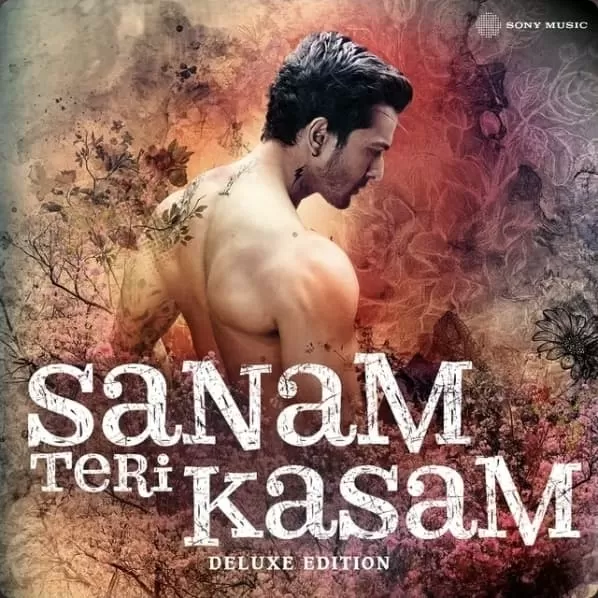
As political and diplomatic strains escalate between India and Pakistan, the fallout is beginning to visibly impact the entertainment industry. Music platforms and film distributors in India have begun removing Pakistani actors from promotional materials and digital album covers, signaling a shift toward stricter cultural dissociation. High-profile films like Raees and Sanam Teri Kasam have already seen updated visuals that exclude Pakistani actresses Mahira Khan and Mawra Hocane. These moves come amid growing nationalistic fervor and social media bans on Pakistani celebrities, further deepening a rift that is now playing out on streaming platforms, posters, and public narratives.
Cultural Collateral Damage: The Visual Erasure of Pakistani Artists
In a stark manifestation of geopolitical tensions influencing creative industries, leading Indian music companies have begun removing imagery of Pakistani actors from film album artwork. The latest developments include updated posters and digital covers for the Bollywood films Raees (2017) and Sanam Teri Kasam (2016). The new artwork excludes Mahira Khan and Mawra Hocane, both Pakistani nationals, and instead features only their Indian co-stars Shah Rukh Khan and Harshvardhan Rane respectively.
This symbolic act of erasure is more than a cosmetic update—it is a reflection of hardening public sentiment and institutional shifts. The visual representation of content has long been a powerful marketing tool in film and music. Its politicization marks an unsettling precedent for South Asian entertainment.
Platform-Wide Edits and Industry Response
Streaming giants such as Spotify and YouTube Music have also joined the trend. Album covers that once featured both leads now prominently highlight only Indian actors. While no official corporate statements have clarified the rationale behind the revisions, industry insiders suggest the moves are precautionary in light of current public sensitivities and unofficial censorship trends.
One notable exception is the 2014 romantic comedy Khoobsurat, whose cover still features both Sonam Kapoor and Pakistani actor Fawad Khan. The inconsistency raises questions about whether commercial interests, timing, or the actors’ public statements might be influencing editorial choices.
Public Feuds and Nationalist Overtones
The issue escalated further when actor Harshvardhan Rane announced that he would not participate in the sequel to Sanam Teri Kasam if Mawra Hocane remained involved. His remarks came after Hocane publicly criticized India's military operation, dubbing it a “cowardly attack.” Rane responded by labeling her comments a personal affront, igniting a fierce exchange of words across platforms.
Hocane, in turn, accused Rane of leveraging the controversy as a public relations stunt. “What a pity,” she wrote on social media, “that during a time of national conflict, attention-seeking seems to be the priority.”
This back-and-forth highlights a broader trend of personal narratives being weaponized for nationalistic purposes—a pattern increasingly common in the polarized digital age.
The Bigger Picture: Entertainment in the Crossfire
As the borderlines between art, politics, and public opinion blur, the entertainment sector finds itself in an uncomfortable spotlight. Content creators, distributors, and actors are being forced to navigate an environment where geopolitical allegiance can influence professional viability.
While government bodies have not issued formal directives regarding such removals, the entertainment industry appears to be voluntarily adjusting to national mood swings. In the absence of official censorship, market behavior is doing the job instead.
From a business standpoint, this form of reputational risk management may seem rational. But the long-term consequence could be a diminished cross-cultural exchange in an industry that thrives on diversity.
Final Thoughts
The removal of Mahira Khan and Mawra Hocane from promotional materials is a symptom of a deeper ideological fracture between India and Pakistan. What was once an uneasy coexistence in shared cinematic spaces is now unraveling under the weight of political division.
Whether this trend continues—and whether it spreads to more collaborative artistic efforts—remains to be seen. For now, art is no longer immune to politics, and posters speak louder than words.
Comments