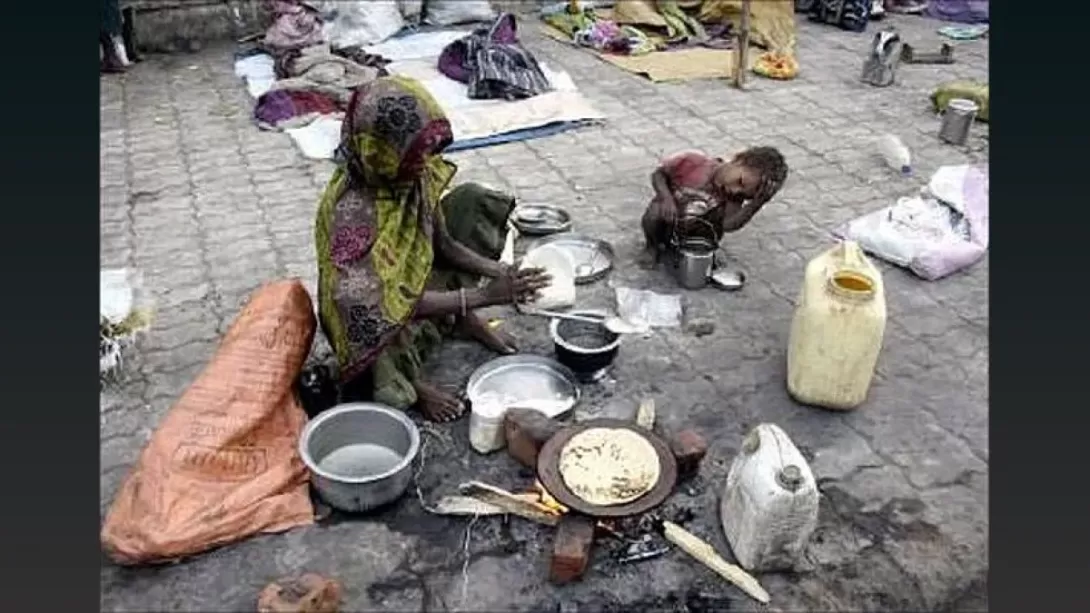
A recent World Bank study has revealed stark disparities in Pakistan’s fiscal system, highlighting the General Sales Tax (GST) as the single largest contributor to increased poverty. The study, titled The Effects of Taxes and Transfers on Inequality and Poverty in Pakistan, concludes that indirect taxation disproportionately burdens low-income households, with GST accounting for more than 7% of pre-tax household spending. In contrast, the Benazir Income Support Programme (BISP) emerged as the most impactful tool for reducing inequality. The report recommends comprehensive reforms to improve domestic revenue mobilization, reallocate spending toward social services, and introduce more progressive taxation mechanisms.
GST Identified as Primary Fiscal Burden on the Poor
According to the World Bank’s findings, Pakistan’s General Sales Tax is significantly deepening poverty levels, primarily due to its regressive structure. The GST, an indirect tax levied on goods and services, consumes over 7% of the average household’s pre-tax expenditure. For low-income families, this burden is even more severe, eroding purchasing power and exacerbating economic vulnerability.
The report highlights that, among all fiscal instruments examined, GST carries the highest marginal contribution to national poverty. Marginal contributions were assessed by measuring the unique impact of each fiscal instrument while controlling for the presence of others. This finding underscores the disproportionate pressure placed on vulnerable populations by consumption-based taxes.
Cash Transfers as a Beacon of Fiscal Equity
In sharp contrast to GST’s impoverishing effect, Pakistan’s flagship social safety net—the Benazir Income Support Programme—has been credited with significantly reducing income inequality. The BISP, which delivers monthly cash transfers to the country’s poorest households, was found to have the largest marginal effect in terms of inequality reduction.
The World Bank notes that such targeted transfer programs can help counterbalance the regressive nature of indirect taxes by injecting liquidity directly into the hands of those most affected by economic downturns and inflationary pressures. The study presents BISP as a model for inclusive welfare intervention that enhances social cohesion and economic resilience.
Public Spending on Education: A Mixed Impact
Surprisingly, the study also cites public expenditure on pre-primary and primary education as the second-largest contributor to inequality, albeit indirectly. While education is typically considered a long-term equalizer, the quality and accessibility of services in Pakistan’s poorest regions remain inadequate. As a result, public spending fails to deliver proportional benefits to low-income groups, reinforcing existing disparities.
This outcome points to inefficiencies in education allocation, where better-off households are more likely to reap the benefits of public investment, either due to geographic access or complementary private resources.
Structural Flaws in Pakistan’s Fiscal Framework
The report delivers a sharp critique of Pakistan’s overall taxation strategy. It points out the government's overreliance on indirect taxes, which are inherently regressive, and subsidies that often benefit wealthier segments rather than the poor. Meanwhile, progressive direct taxes—such as income or wealth taxes—remain underutilized, limiting the system’s ability to redistribute wealth effectively.
One alarming conclusion is that many of Pakistan’s poorest households are net contributors to the fiscal system, meaning they pay more in taxes than they receive in benefits. This inversion of welfare principles undermines trust in governance and weakens the social contract.
Policy Recommendations for a More Equitable Future
The World Bank advocates for a paradigm shift in Pakistan’s fiscal policy, urging the government to:
- Enhance Domestic Revenue Mobilization: This includes broadening the tax base, enforcing compliance, and integrating more progressive taxation tools.
- Improve Public Expenditure Efficiency: Reforms should focus on ensuring that health and education spending reaches those in need and delivers measurable outcomes.
- Expand Targeted Social Transfers: Programs like BISP should receive greater fiscal priority, given their proven impact on poverty and inequality.
- Phase Out Regressive Subsidies: Reducing expenditures that disproportionately benefit the affluent could free up resources for inclusive development.
By addressing these structural issues, Pakistan could generate fiscal space to support sustainable poverty alleviation and social mobility.
Conclusion: A Call for Equity-Oriented Fiscal Governance
The World Bank’s study sheds light on the urgent need for Pakistan to recalibrate its fiscal priorities. With indirect taxation driving up poverty and public investments yielding uneven benefits, the current trajectory risks entrenching inequality. However, the effectiveness of programs like BISP demonstrates that well-designed fiscal tools can meaningfully uplift the disadvantaged.
To build a fairer and more resilient economic future, Pakistan must move away from extractive fiscal practices and toward a more equitable model that values redistribution, inclusivity, and transparency.
Comments