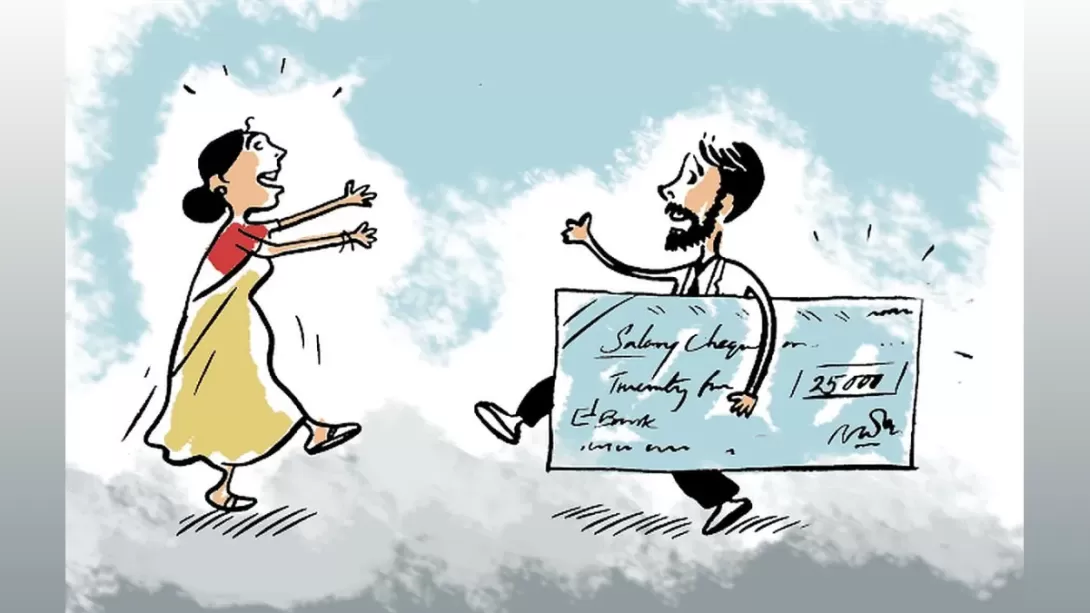
In a significant financial update, the Pakistani government has raised the monthly salaries of the National Assembly speaker and the Senate chairman to Rs 1.3 million, reflecting a substantial increase from the earlier figure of Rs 205,000. The salary revision, retroactively effective from January 1, 2025, also includes an additional 50% temporary allowance. This adjustment follows a broader salary hike for federal ministers, ministers of state, and advisers, who have seen their monthly pay climb to Rs 519,000. These revisions underscore the government’s recent efforts to re-evaluate and elevate compensation for top-level political and parliamentary positions.
Major Pay Hikes for Parliamentary Leaders
The Ministry of Parliamentary Affairs has announced that both the National Assembly speaker and the Senate chairman will now earn Rs 1.3 million per month, according to a notification dated May 29. This marks a nearly sixfold increase from the previous salary of Rs 205,000. In addition to the base pay, these officials will receive a 50% temporary allowance, further boosting their total compensation.
The revised salaries are retroactive to January 1, 2025, ensuring that any back pay is accounted for in future disbursements. This decision underscores a significant shift in the compensation structure for Pakistan’s top parliamentary figures.
Federal Ministers and Advisers Also Receive Major Increases
The raises for the National Assembly speaker and Senate chairman come on the heels of similar adjustments for federal ministers and other cabinet members. In March, the salaries and allowances of federal ministers, ministers of state, and advisers were increased substantially, in some cases by as much as 188%.
Following an amendment to the Federal Ministers and Ministers of State (Allowances and Salaries) Act, 1975, the revised monthly pay for these roles now stands at Rs 519,000. Previously, federal ministers earned Rs 200,000, and ministers of state were paid Rs 180,000. The decision to approve these hikes was made through circulation among federal ministers, further highlighting the consensus within the cabinet for adjusting compensation.
Broader Context: Parliamentarians’ Salaries Also See Increases
Earlier this year, the Finance Committee also approved salary increases for members of the National Assembly and senators, raising their monthly remuneration to Rs 519,000. This reflects a broader policy of revising salaries across various levels of government leadership.
The government’s approach to revising compensation packages comes at a time when fiscal responsibility and public scrutiny over governance expenditures remain central concerns. As Pakistan continues to navigate economic challenges, these adjustments will likely draw mixed reactions, balancing the need to adequately compensate public officials with broader fiscal and social considerations.
Conclusion: Navigating Fiscal Responsibility and Competitive Compensation
The substantial salary revisions for Pakistan’s top parliamentary and ministerial figures signify a concerted effort to bring compensation in line with evolving governance responsibilities. However, they also raise important questions about budgetary priorities, transparency, and the balance between competitive compensation and the need for fiscal prudence in a challenging economic climate.
Comments