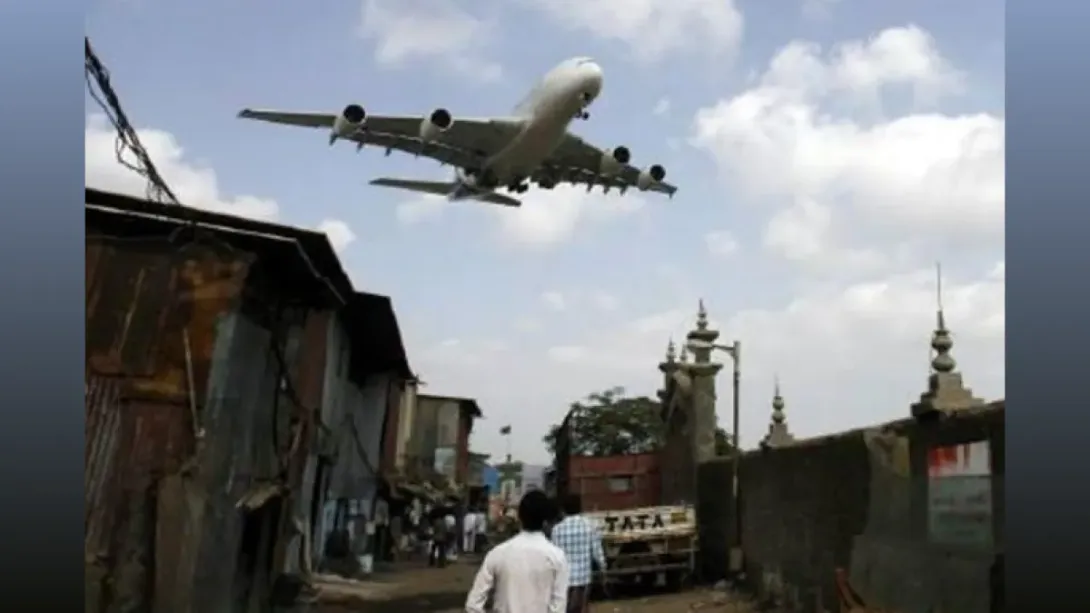
India has prolonged its ban on Pakistani aircraft operating within its airspace by an additional month, extending the closure until July 24, 2025. This move forms part of a series of stringent retaliatory measures initiated in response to the April 22 Pahalgam terror attack that claimed 26 lives. Pakistan has reciprocated by similarly extending its airspace closure against Indian flights through the same date. These mutual restrictions reflect escalating geopolitical tensions, underscoring the fragile nature of Indo-Pak relations and the broader implications for regional aviation and diplomacy.
Prolonged Suspension of Airspace Access Signals Escalation in Indo-Pak Relations
India has officially extended its airspace closure for Pakistani aircraft, continuing a ban initially imposed at the end of April. This suspension, now valid through July 24, 2025, affects all aircraft registered in Pakistan, including those operated, owned, or leased by Pakistani airlines, as well as military flights. The closure was first enacted on April 30, immediately following the Pahalgam terror attack, which resulted in 26 fatalities and intensified already strained relations between the two countries.
The original ban was slated to expire on May 24 but was successively extended to June 24 before the latest extension. The Indian Directorate General of Civil Aviation issued a fresh Notice to Airmen (NOTAM) on Monday formalizing the continuation of these restrictions. By maintaining this airspace denial, India underscores its commitment to stringent punitive measures against Pakistan, aimed at signaling its disapproval of cross-border terrorism and aggression.
Reciprocal Measures by Pakistan Amplify the Aviation Standoff
In a direct response, Pakistan has also prolonged its closure of airspace to Indian aircraft until July 24, 2025. The initial ban, instituted on April 24 following India's suspension of the Indus Waters Treaty, was intended to last until May 24 but has been extended in parallel with India's ongoing restrictions.
Pakistan’s reciprocal actions reflect the deepening diplomatic impasse and the tit-for-tat nature of punitive policies in the aftermath of the Pahalgam incident. The closure restricts the air corridors available for Indian carriers, impacting not only bilateral commercial aviation but also broader regional air traffic patterns. The mutual denial of airspace complicates logistics for airlines and may increase operational costs due to the need for longer alternative flight routes.
Broader Diplomatic Fallout and Regional Implications
The closure of airspace is one element in a broader framework of retaliatory sanctions and diplomatic downgrading initiated by India in late April. Following the Pahalgam attack, New Delhi announced a series of measures, including the suspension of the Indus Waters Treaty, closure of the Attari land border crossing—the only functional land crossing between the two nations—and a downgrading of diplomatic ties.
These actions represent an intensification of the strategic standoff, with potential long-term ramifications for cross-border trade, diplomacy, and regional security cooperation. The continued airspace closures underscore the precarious state of Indo-Pak relations and reflect the enduring challenges in addressing terrorism and bilateral disputes through diplomatic channels.
Conclusion
The extension of reciprocal airspace bans between India and Pakistan epitomizes the escalating tensions between the two nuclear-armed neighbors. While these measures serve as immediate responses to acts of terrorism and diplomatic grievances, their prolonged enforcement risks further entrenching hostility and disrupting vital communication and commerce routes. Moving forward, a sustained dialogue will be crucial in de-escalating tensions and restoring stability to a region perpetually on edge.
Comments