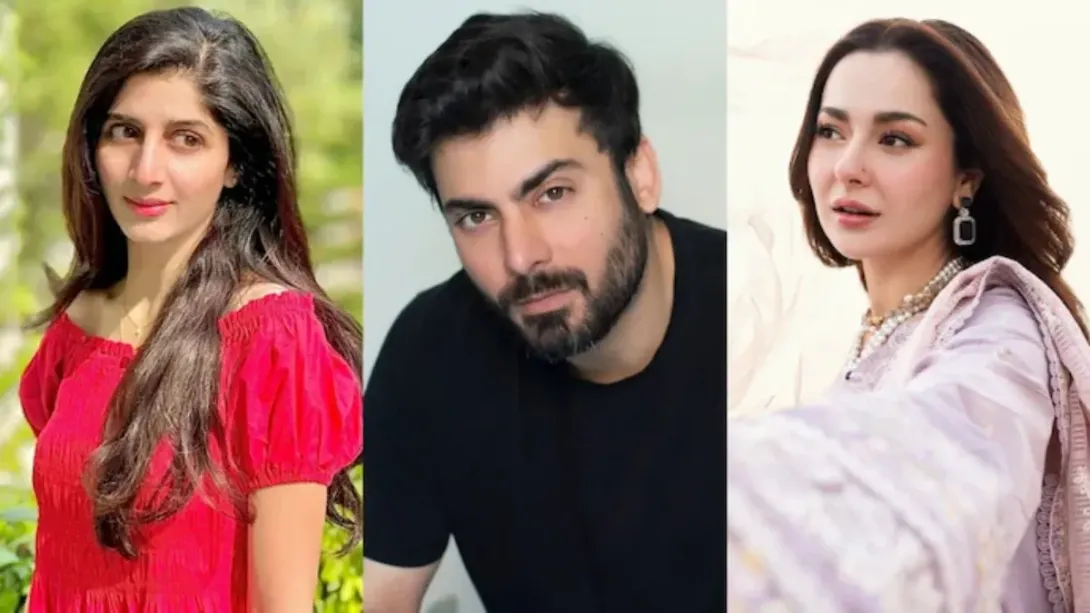
In a sudden reversal, several Pakistani actors' social media accounts briefly became accessible in India, only to be swiftly blocked again within 24 hours. Prominent names such as Mawra Hocane, Saba Qamar, Ahad Raza Mir, and others briefly reappeared on Indian Instagram feeds, sparking widespread attention. However, these accounts were promptly restricted once more due to compliance with legal directives citing national security concerns. The All Indian Cine Workers Association (AICWA) vocally condemned the brief visibility, framing it as a disrespect to Indian martyrs and victims of cross-border terrorism. This episode highlights the ongoing digital content restrictions influenced by geopolitical tensions between India and Pakistan.
The Brief Visibility and Swift Reinstatement of Bans
On Wednesday, Indian netizens noticed an unexpected change as the Instagram accounts of Pakistani actors—Mawra Hocane, Saba Qamar, Ahad Raza Mir, Yumna Zaidi, and Danish Taimoor—became visible again on their social media feeds. This sudden reinstatement caught many by surprise, especially given the longstanding restrictions on Pakistani digital content within India.
However, this reprieve was short-lived. Within 24 hours, the accounts were once again blocked, accompanied by the message: "Account not available in India. This is because we complied with a legal request to restrict this content." This message underscores the strict regulatory environment governing digital content and the government’s responsiveness to security-related legal requests.
Persistent Restrictions on Pakistani Artists’ Content
Not all Pakistani actors experienced this temporary reinstatement. High-profile figures such as Fawad Khan, Mahira Khan, and Hania Aamir continued to have their accounts blocked throughout, indicating selective enforcement or varying legal and regulatory scrutiny levels.
This scenario is rooted in broader government policies aimed at restricting Pakistani content on Indian platforms. On May 8, the Indian government issued a stringent advisory to over-the-top (OTT) platforms and digital streaming services mandating the removal of Pakistani-origin web series, films, music, podcasts, and other media. The advisory was part of India's ongoing strategy to curb cross-border content amid geopolitical tensions.
AICWA’s Strong Reproach and Political Intervention
The unexpected visibility of these accounts prompted a prompt response from the All Indian Cine Workers Association (AICWA). The organization swiftly penned a letter to Prime Minister Narendra Modi, expressing vehement opposition to the reappearance of Pakistani artists’ accounts on Indian social media.
AICWA’s letter stated, “It is deeply concerning and absolutely unacceptable that social media accounts of Pakistani artists like Mawra Hocane, Yumna Zaidi, and several Pakistan-based channels are once again visible in India.” The association further condemned this as more than a mere digital glitch, describing it as "a direct insult to the sacrifice of our martyred soldiers and an emotional assault on every Indian who lost a loved one in terror attacks perpetrated by Pakistan."
Such strong rhetoric underscores the sensitivities involved in cultural and digital exchanges between India and Pakistan, where artistic visibility often intersects with nationalistic sentiments and political considerations.
Implications for Digital Content Regulation and Cultural Diplomacy
This episode reflects the complex terrain of digital content regulation where cultural and political factors intertwine. The brief reinstatement of Pakistani actors’ accounts may have been inadvertent or procedural but quickly sparked backlash given the fraught historical and political context.
India’s continued ban on Pakistani digital content exemplifies the increasing politicization of cultural platforms, where social media serves not only as entertainment but also as a battleground for ideological assertion and national identity. The episode raises questions about the role of private tech platforms in enforcing national laws and the delicate balance between free digital expression and security concerns.
Conclusion
The transient visibility and subsequent re-blocking of Pakistani actors’ social media accounts in India illustrate the enduring geopolitical frictions shaping cultural and digital interactions between the two nations. The incident has reignited debates over censorship, national security, and the cultural ramifications of restricting cross-border content in an era where digital borders are as significant as physical ones. As regulatory frameworks tighten, the intersection of politics and digital media remains a critical space for scrutiny and dialogue.
Comments