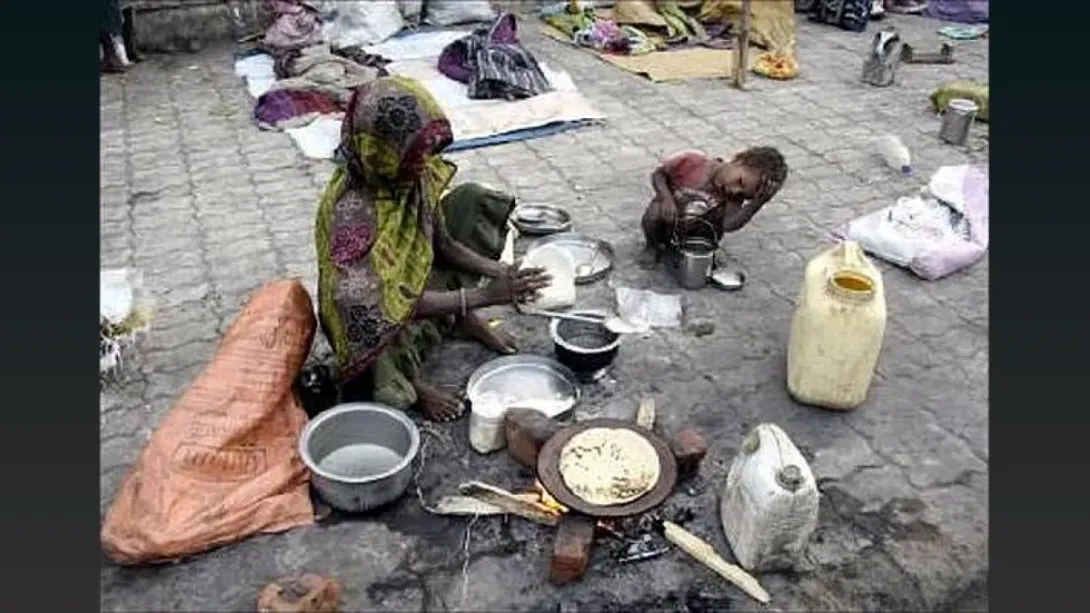
India has achieved significant strides in reducing income inequality and extreme poverty between 2011-12 and 2022-23, emerging as the fourth-most equal country globally, according to recent World Bank data. The country’s Gini Index—a key measure of income distribution—has declined from 28.8 to 25.5 during this period, reflecting a substantial narrowing of wealth disparities. This progress is accompanied by a dramatic reduction in extreme poverty, from 16.2% to 2.3%, lifting nearly 171 million people out of deprivation. Government initiatives such as PM Jan Dhan Yojana, Direct Benefit Transfer, and Stand-Up India have played a pivotal role, balancing economic reforms with social protections to foster inclusive growth.
A Landmark Shift in Income Equality
The World Bank’s latest report places India in the “moderately low” inequality category, with a Gini Index score of 25.5 for 2022-23. This positions India as the fourth most equitable country worldwide, trailing only Slovakia, Slovenia, and Belarus. The Gini Index, which ranges from 0 (perfect equality) to 100 (absolute inequality), serves as a critical barometer of economic equity. India’s score represents a commendable improvement from its 2011-12 level of 28.8 and contrasts starkly with countries like China (35.7), the United States (41.8), and the United Kingdom.
Such a decline signals a profound rebalancing of income distribution in the world’s fifth-largest economy. This transition underscores India’s ability to couple robust economic growth with deliberate social equity policies—an increasingly rare feat among emerging markets.
Drastic Reduction in Extreme Poverty
One of the most striking developments accompanying this improved equality is the sharp contraction of extreme poverty. The proportion of Indians living below the global poverty line of USD 2.15 per day (adjusted for purchasing power parity) has fallen from 16.2% in 2011-12 to a mere 2.3% in 2022-23. This translates to approximately 171 million people who have been lifted out of extreme deprivation in just over a decade.
This extraordinary achievement reflects successful poverty alleviation strategies implemented through targeted government schemes aimed at enhancing financial inclusion, direct welfare delivery, and livelihood generation.
Government Initiatives: The Driving Force Behind Progress
India’s government credits this advancement largely to a series of focused social welfare and economic reforms launched over the past decade. Notable among these are the Pradhan Mantri Jan Dhan Yojana (PMJDY), which has expanded banking access to millions of unbanked citizens; Direct Benefit Transfer (DBT) mechanisms that streamline subsidy and welfare disbursements; and Stand-Up India, which empowers marginalized entrepreneurs by facilitating credit and business support.
Additionally, health schemes like Ayushman Bharat have increased healthcare access, while programs such as PM Vishwakarma Yojana foster self-reliance through skill development and wealth creation. Together, these policies have created a virtuous cycle—bridging income gaps, bolstering livelihoods, and ensuring that economic gains reach a broader demographic spectrum.
Comparative Global Context
India’s placement among 30 countries in the “moderately low” inequality bracket includes a diverse mix of advanced welfare states such as Iceland, Norway, Finland, and Belgium, as well as emerging economies like Poland and affluent nations like the United Arab Emirates. This highlights India’s unique position as a large developing economy managing to achieve social equity metrics on par with some of the world’s most developed countries.
The trajectory suggests that India is nearing the threshold for “low inequality” status, a rare distinction for a country of its size and complexity.
Balancing Growth and Fairness: A Model for Emerging Economies
India’s experience challenges the conventional wisdom that rapid economic growth inevitably exacerbates inequality. The country’s policy approach demonstrates that with inclusive intent and strategic interventions, economic development and income equality can progress hand-in-hand.
By embedding social protection mechanisms within its growth framework, India has forged a path that many emerging economies may seek to emulate. This balanced model is particularly relevant amid growing global concerns about the social ramifications of uneven development.
Looking Ahead: Sustaining Inclusive Growth
While the progress is commendable, sustaining and deepening these gains will require continued focus on widening access to quality education, healthcare, and formal employment opportunities. Strengthening social safety nets and addressing regional disparities remain critical challenges.
As India continues to evolve its policy toolkit, maintaining the delicate equilibrium between fostering innovation-led growth and preserving social equity will be paramount. The World Bank report’s findings not only celebrate past achievements but also set a benchmark for future reforms aimed at creating a more just and prosperous society.
In conclusion, India’s significant reduction in inequality and poverty over the past decade reflects a successful synthesis of economic dynamism and social policy innovation. The nation’s steady climb toward greater income parity underscores a transformative journey—one that offers valuable lessons on how inclusive development can be achieved on a large scale.
Comments