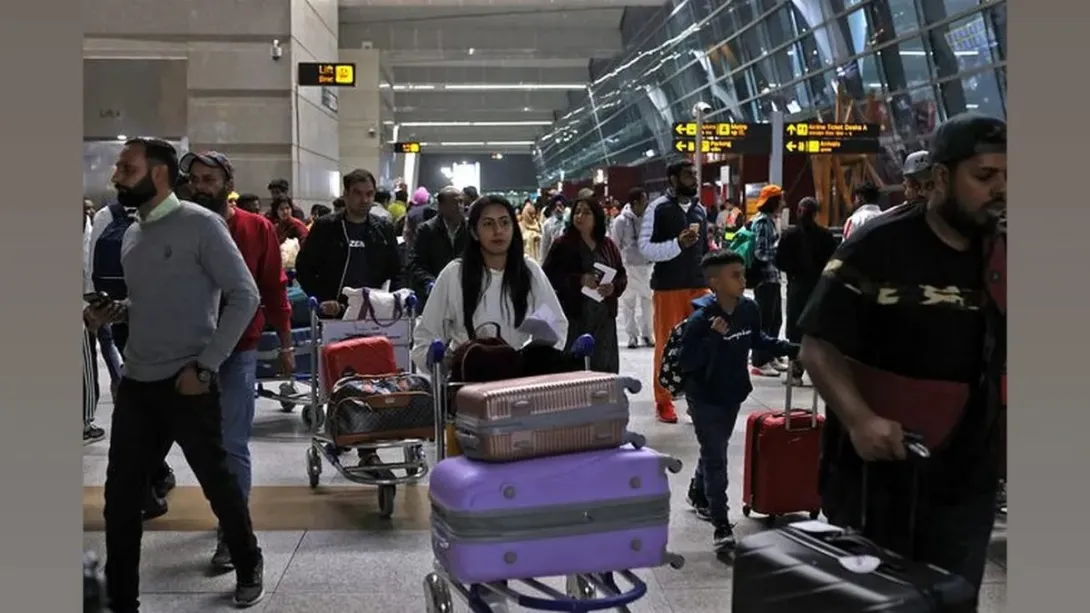
India’s civil aviation sector experienced a slowdown in July, with domestic passenger traffic recording a marginal decline compared to the preceding month, according to the Directorate General of Civil Aviation (DGCA). While annual growth remained intact, the sequential dip highlighted seasonal factors, operational constraints, and pricing pressures that influenced passenger movement. The data underscores the complex dynamics shaping India’s aviation recovery, where strong long-term demand coexists with short-term fluctuations driven by monsoon travel patterns, capacity deployment, and competitive fare structures. Industry observers suggest that airlines may face added pressure to balance profitability with affordability in the months ahead.
Passenger Traffic Trends
DGCA data revealed that domestic airlines collectively carried fewer passengers in July compared to June, reflecting a sequential decline in air traffic. Despite this dip, year-on-year passenger numbers still showed growth, indicating that India’s aviation market continues to expand when measured against the pandemic-era baseline.
The seasonal slowdown, often linked to monsoon weather and reduced leisure travel, played a key role in curbing demand. Analysts also point to airfare adjustments and network rationalization by carriers as contributing factors.
Market Share and Airline Performance
The market remained dominated by IndiGo, which continued to command the largest share of passenger traffic. Full-service carriers such as Air India, Vistara, and Akasa Air also maintained their respective positions, though competition remained intense in both metro and regional routes.
Load factors varied across airlines, with some carriers witnessing pressure on occupancy rates due to increased capacity additions. Industry experts caution that the competitive pricing environment, though beneficial to passengers, could put pressure on operating margins.
Seasonal and Operational Challenges
Monsoon-related weather disruptions added another layer of complexity, leading to delays and cancellations that affected passenger confidence. Additionally, fuel costs and foreign exchange volatility continue to weigh heavily on airline operations. The balance between sustaining competitive fares and maintaining profitability remains delicate, particularly for carriers navigating debt burdens and high operating expenses.
Outlook for the Aviation Sector
Despite the July dip, the long-term trajectory of Indian aviation remains positive, supported by rising disposable incomes, expanding regional connectivity under the UDAN scheme, and increasing demand for both leisure and business travel. However, sustained profitability will depend on capacity management, cost optimization, and a stable fuel price environment.
Industry stakeholders argue that policy support, infrastructure expansion at key airports, and improved operational efficiency will be critical in ensuring consistent growth in the sector, particularly as airlines gear up for the upcoming festive season, when demand traditionally peaks.
Comments