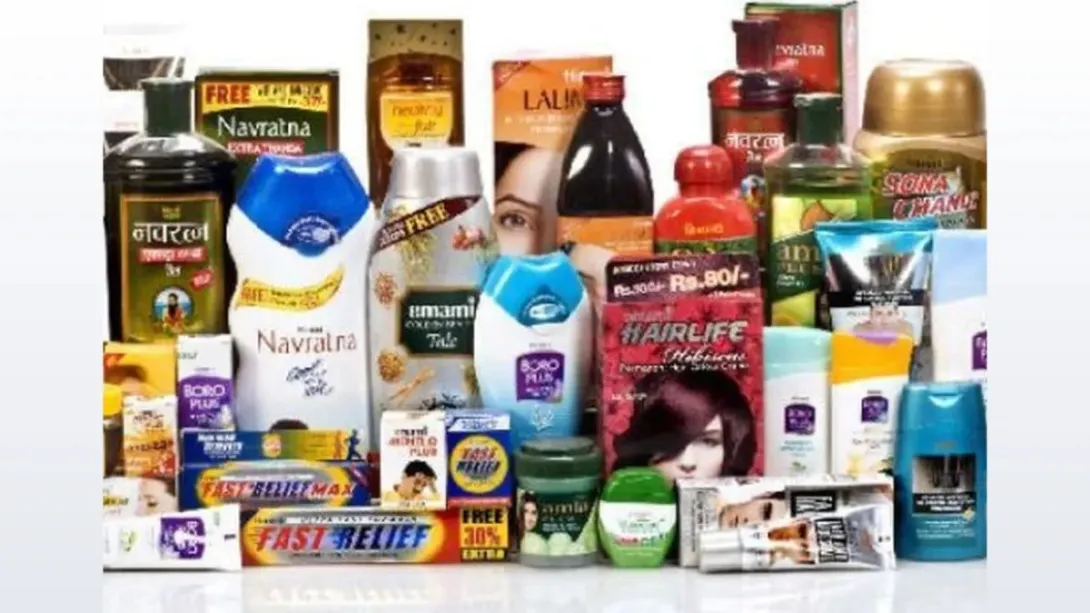
India’s fast-moving consumer goods (FMCG) sector is entering a new phase of strategic expansion, with established companies increasingly acquiring direct-to-consumer (D2C) brands. According to Crisil Ratings, nearly two-thirds of mergers and acquisitions over the past five years have targeted D2C players, which have consistently outpaced traditional firms in growth. This acquisition wave reflects a drive toward premiumisation, diversification, and sharper consumer insights. With revenue growth expected to rise to 6–8% in FY2026, the sector is poised for recovery despite inflationary pressures, as digital-first D2C brands integrate with legacy players to reshape India’s consumer goods landscape.
Sector Outlook: Signs of a Rebound
Crisil Ratings projects that FMCG revenue growth will improve to 6–8% in FY2026, compared with 5–6% in FY2025. This anticipated revival is anchored in 4–6% volume expansion, supported by steady rural demand and gradual urban recovery. An additional ~2% uplift in realizations is likely, driven by inflation in key inputs such as palm oil, wheat, coffee, and copra. While top-line growth is expected to strengthen, operating margins will remain largely flat at 20–21%, reflecting persistent cost pressures. Nevertheless, the outlook signals cautious optimism for the industry’s trajectory.
Rise of D2C Acquisitions
Over the last five years, legacy FMCG firms have consistently pursued acquisitions of D2C brands, which operate with differentiated distribution and marketing models. These deals, typically involving niche players in premium categories, have allowed traditional giants to:
Gain access to granular consumer data via digital platforms.
Enter health, wellness, grooming, and organic segments with higher growth potential.
Expand their presence in e-commerce and quick commerce, both of which are scaling faster than offline channels.
Crisil notes that while these acquisitions strengthen product portfolios, the financial burden is modest, with acquisition costs generally amounting to less than 5% of net worth, keeping credit risks limited.
Category Priorities and Consumer Shifts
The majority of acquisitions—around 60%—have been concentrated in personal care, followed by food and beverages. Within personal care, strong interest is evident in men’s grooming, herbal and natural formulations, and premium skincare. These categories align with shifting consumer preferences, as rising incomes and evolving lifestyles push buyers toward premium, purpose-driven products.
To sustain competitiveness, FMCG companies are also widening rural distribution, introducing smaller pack sizes to capture low-ticket spending, and increasing digital advertising to counter pressure from regional and emerging D2C rivals.
Challenges to Growth
Despite the strong momentum, challenges remain. Urban consumption patterns are uneven, weighed down by high food inflation, muted wage growth, and elevated borrowing costs. Moreover, D2C players themselves face structural hurdles: fewer than 15% of acquired brands surpass Rs. 250 crore in revenue, and only about one-third achieve profitability before acquisition. For incumbents, this means integration requires patience and strategic execution to unlock synergies.
Conclusion
The growing alignment between traditional FMCG corporations and digital-first D2C brands marks a defining shift in India’s consumer ecosystem. As Crisil underscores, these partnerships are less about immediate financial impact and more about future-proofing product portfolios and adapting to evolving consumer behaviors. With growth projected to accelerate in FY2026, the interplay between established distribution strength and digital agility could determine how India’s FMCG sector captures the next wave of consumer demand.
Comments