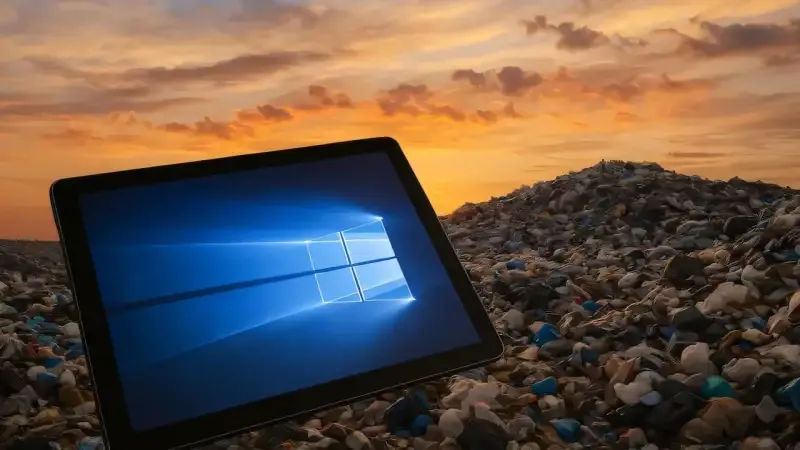
Microsoft’s decision to retire support for Windows 10 has significant implications for businesses, consumers, and the environment. Without security updates and technical assistance, systems running Windows 10 face heightened cybersecurity risks, including malware attacks, ransomware, and data breaches. The move may also accelerate hardware turnover, contributing to e-waste as organizations and individuals upgrade to newer operating systems. Experts warn that proactive planning is critical to mitigate both digital security threats and environmental impact. Companies and households must evaluate upgrade strategies, ensure data protection, and consider sustainable disposal practices to address the dual challenges of cybersecurity and electronic waste management.
Impact on Cybersecurity
The discontinuation of Windows 10 support removes access to regular security patches, leaving systems vulnerable to evolving threats. Cybersecurity experts caution that:
- Unpatched systems can be exploited by malware and ransomware attacks.
- Critical business data may be exposed, increasing potential financial and reputational damage.
- Organizations still using Windows 10 may face regulatory compliance challenges, especially in sectors handling sensitive information.
Transitioning to supported operating systems like Windows 11 is essential to safeguard networks and prevent breaches.
E-Waste Concerns
End-of-support scenarios often prompt hardware upgrades, accelerating electronic waste generation. The environmental consequences include:
- Increased landfill contributions from obsolete devices.
- Strain on recycling infrastructure for proper disposal of electronic components.
- Resource depletion due to the production of new hardware.
Environmental advocates emphasize the need for responsible disposal and recycling programs to mitigate the ecological footprint of forced technology upgrades.
Business and Consumer Implications
Organizations and individuals face strategic decisions:
- Upgrade Planning: Assessing hardware compatibility and cost-effectiveness for migration to newer operating systems.
- Data Security: Ensuring all sensitive information is protected during and after the transition.
- Sustainable Practices: Exploring refurbishing, donation, or certified recycling of retired devices.
Companies that implement comprehensive upgrade strategies can reduce disruption and maintain operational security.
Mitigation Strategies
To address these challenges, experts recommend:
- Conducting an inventory of systems running Windows 10.
- Prioritizing updates based on security risk and operational criticality.
- Collaborating with certified e-waste recyclers for environmentally responsible disposal.
- Educating employees and users about cybersecurity hygiene during the transition.
Such measures enable a balance between operational continuity, digital safety, and environmental responsibility.
Conclusion
Microsoft’s end of support for Windows 10 underscores the intersection of technological lifecycle management, cybersecurity, and environmental sustainability. By planning proactive upgrades, implementing robust security protocols, and embracing responsible e-waste practices, organizations and consumers can navigate the transition effectively. This scenario highlights the growing importance of integrating digital risk management with sustainable technology practices, ensuring both secure and environmentally conscious adoption of modern computing infrastructure.
Comments