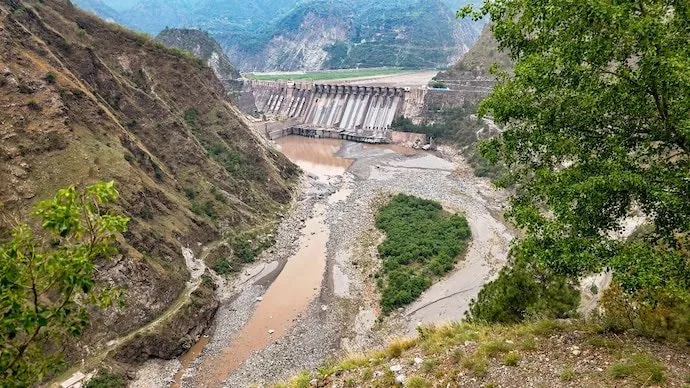
Pakistan has formally urged India to resume the full and unhindered implementation of the Indus Waters Treaty (IWT), a landmark water-sharing agreement brokered in 1960 under World Bank auspices. The treaty, which governs the allocation of the Indus River system between the two nations, has long served as a stabilizing framework despite periods of political tension. Pakistan’s latest call comes amid concerns that recent disputes and procedural delays could undermine the spirit of cooperation the accord was designed to foster. The appeal underscores Islamabad’s emphasis on dialogue to prevent potential water-related conflicts in the region.
---
Background on the Indus Waters Treaty
Signed in 1960, the Indus Waters Treaty allocates control over the three eastern rivers—Ravi, Beas, and Sutlej—to India, while granting Pakistan rights over the three western rivers—Indus, Jhelum, and Chenab. The agreement is widely regarded as one of the most resilient international water-sharing accords, having withstood multiple political and military standoffs. Oversight and dispute resolution mechanisms are embedded within the treaty to ensure that both sides adhere to its provisions.
Pakistan’s Renewed Appeal
Pakistan’s latest statement urges India to return to the “full, normal functioning” of the IWT, including participation in routine meetings, data exchange, and inspections as originally intended. Officials in Islamabad stress that maintaining transparent communication channels and cooperative dispute resolution is essential to preserving the treaty’s integrity. The appeal also reflects broader concerns over water scarcity, agricultural dependency, and climate change impacts on shared river systems.
Potential Points of Dispute
While the treaty has historically provided a reliable structure for cooperation, tensions have surfaced over dam construction, hydropower projects, and data-sharing protocols. Pakistan has raised objections to certain Indian infrastructure developments on the western rivers, arguing they could affect downstream water flow. India, for its part, maintains that its projects comply with treaty parameters and are essential for meeting domestic energy demands.
Strategic and Economic Implications
Water security remains a critical factor in South Asia’s stability, with both nations heavily reliant on the Indus River system for irrigation, drinking water, and hydropower generation. Any disruption in treaty implementation could have significant economic and geopolitical repercussions, not only for bilateral relations but also for the livelihoods of millions of farmers on both sides of the border.
The Road Ahead
Observers note that the IWT’s durability lies in its technical rather than political nature, offering a neutral platform for cooperation even in periods of heightened tension. Pakistan’s latest outreach suggests a preference for diplomatic engagement to safeguard the treaty’s future. Whether this appeal results in a renewed phase of cooperation will depend on both sides’ willingness to separate water issues from broader political disputes.
Comments