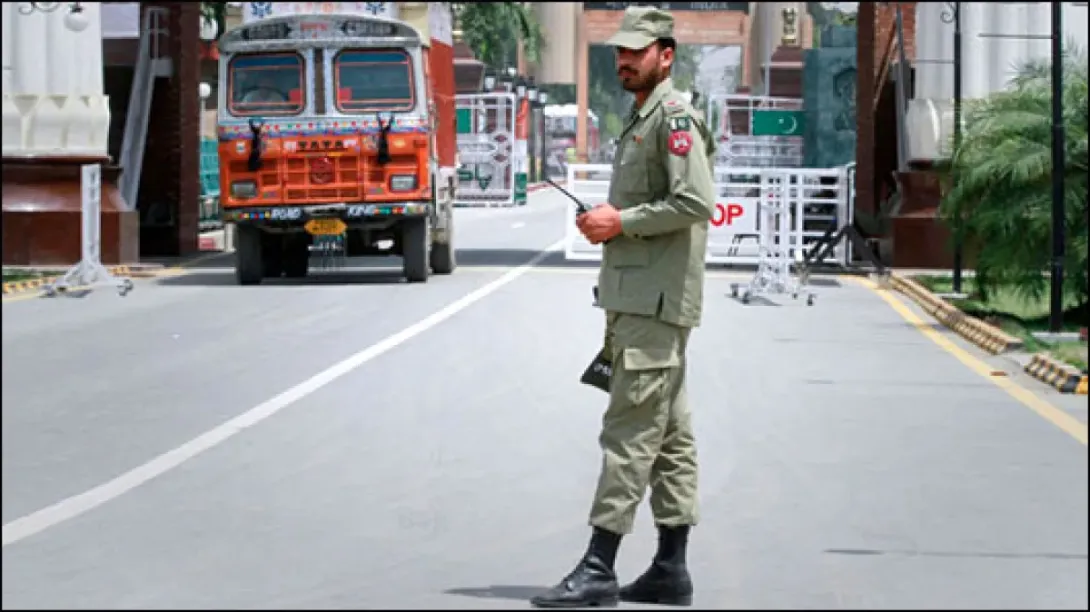
Pakistan and the United States have initiated a new round of trade discussions aimed at diffusing tariff-related tensions and reviving economic cooperation. As both nations navigate shifting global supply chains and domestic economic pressures, the talks signal a desire to reset a relationship strained by trade imbalances and regulatory uncertainties. With Pakistan seeking greater market access for textiles and agricultural products, and the U.S. pushing for structural reforms and stronger compliance standards, the negotiations carry weight not just for bilateral ties but for broader regional stability and investment flows.
A Trade Partnership Under Pressure
Trade between Pakistan and the United States has historically been shaped by strategic interests and fluctuating economic dynamics. In recent years, however, the relationship has been tested by growing tariff barriers, regulatory frictions, and divergent policy priorities. Washington’s concerns over compliance, intellectual property protection, and customs enforcement have led to a more cautious stance, while Islamabad has voiced frustration over declining preferential access for key exports like textiles and leather goods.
The current dialogue is seen as an attempt to bridge these gaps before tensions escalate into retaliatory trade actions or loss of investment confidence.
Tariff Concerns and Export Challenges
At the heart of the issue lies Pakistan’s push for greater tariff concessions, particularly in the textile and garment sectors, which account for over 60% of its exports. These sectors have faced increasing pressure due to rising input costs, inconsistent energy supply, and competition from regional players enjoying better access to the U.S. market. Pakistani negotiators are urging the U.S. to consider reinstating preferential trade terms under frameworks such as the Generalized System of Preferences (GSP), which expired without renewal.
In contrast, the U.S. side remains focused on enforcement mechanisms to ensure product traceability, labor rights protections, and anti-dumping safeguards. American officials have also expressed concern about Pakistan’s reluctance to liberalize key sectors such as pharmaceuticals and e-commerce, which could pave the way for U.S. investment and technology transfer.
Economic Stakes for Both Nations
While the immediate dispute centers on tariffs and quotas, the stakes are broader. For Pakistan, which is grappling with high inflation, currency volatility, and mounting external debt, expanded trade ties with the U.S. offer a crucial economic lifeline. The United States remains one of Pakistan’s top export destinations, and any deterioration in trade relations could further strain an already fragile external account.
For the U.S., Pakistan’s strategic location, young workforce, and potential as a consumer market present long-term commercial opportunities—particularly in logistics, agriculture, and digital services. However, these prospects remain contingent on Pakistan’s ability to deliver regulatory predictability and improve transparency.
Structural Reforms and Future Prospects
Trade analysts suggest that the ongoing discussions could serve as a catalyst for broader structural reforms in Pakistan’s trade regime. These may include digitalization of customs processes, enhanced product certification standards, and stronger dispute resolution mechanisms. For its part, the U.S. is expected to support such reforms through technical assistance and bilateral development initiatives, provided Pakistan demonstrates credible progress.
There is also speculation that the talks could pave the way for a more structured trade agreement in the future—possibly in the form of a bilateral investment treaty or a limited free trade pact focused on specific sectors. While such outcomes remain distant, the willingness to engage in candid dialogue reflects a recognition on both sides that economic decoupling would be mutually damaging.
Conclusion: A Critical Moment for Economic Diplomacy
As global trade becomes increasingly shaped by geopolitical considerations and nearshoring strategies, Pakistan and the United States find themselves at a pivotal juncture. The ability to resolve tariff disputes through constructive engagement will not only impact bilateral commerce but also influence investor sentiment and regional trade flows. If successful, the negotiations could help re-anchor the relationship in economic pragmatism—offering stability in an otherwise uncertain global environment.
Comments