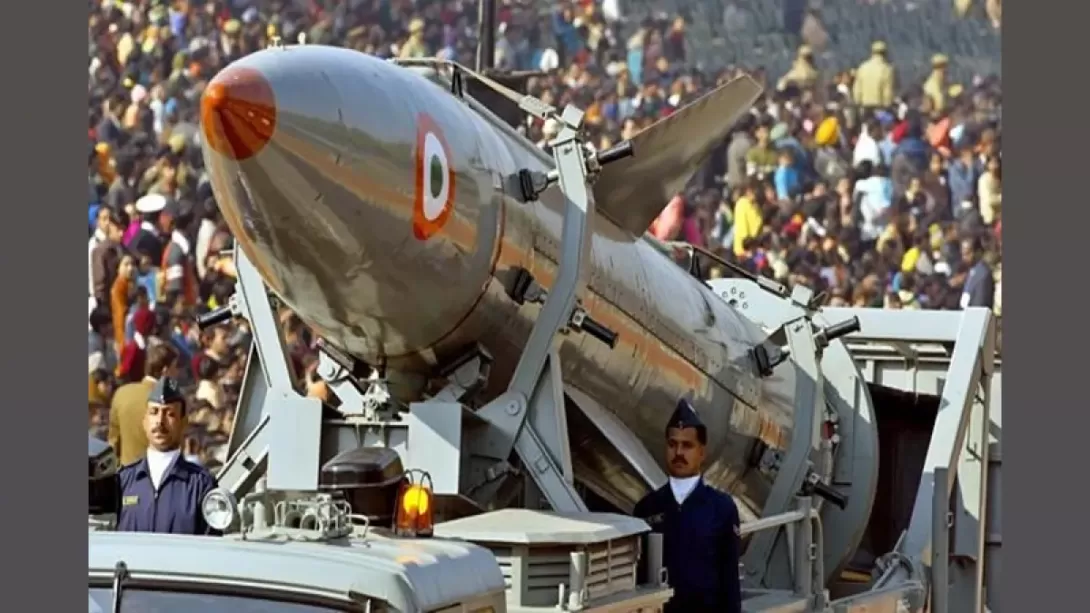
Pakistan's Finance Minister Muhammad Aurangzeb has unveiled the country’s federal budget for the fiscal year 2025-26, with a notable 20% increase in defence spending, bringing the total allocation to PRs 2,550 billion (USD 9 billion). This move comes in response to the escalating tensions between Pakistan and India, particularly following the April 2022 Pahalgam terror attack and subsequent military actions. The budget also highlights a 4.2% GDP growth target and ambitious fiscal policies, including an 8.95% increase in the tax collection goal. However, the country’s mounting debt remains the largest budgetary challenge.
Defence Spending Escalates Amid Geopolitical Strain
On Tuesday, Pakistan's Finance Minister Muhammad Aurangzeb presented the federal budget for the fiscal year 2025-26, which includes a significant 20% increase in defence spending. The allocation of PRs 2,550 billion (USD 9 billion) is part of a broader fiscal plan totaling PRs 17,573 billion. The increase in defence expenditure reflects the ongoing geopolitical tensions with India, particularly after the Pahalgam terror attack in April 2022, which led to retaliatory military actions and heightened hostilities between the two nations.
The allocation marks a shift from last year’s budget, which set aside PRs 2,122 billion for defence, representing a more modest 14.98% increase from the previous year’s allocation of PRs 1,804 billion. Despite the large hike, specific details regarding the defence expenditure were not discussed, in keeping with Pakistan’s long-standing tradition of limiting public discourse on military budgets. This lack of transparency may spark ongoing debates about how efficiently the funds are utilized and whether such a large budget increase is sustainable in the long term.
Rising Tensions with India
The surge in defence spending is being framed against the backdrop of escalating military tensions between India and Pakistan. Following the Pahalgam terror attack on April 22, 2022, India carried out precision strikes against terror infrastructure in Pakistan-occupied Kashmir on May 7. In turn, Pakistan engaged in retaliatory actions, leading to four days of heightened military activity. However, talks between the directors general of military operations from both sides on May 10 resulted in an agreement to de-escalate hostilities.
These developments have brought military preparedness to the forefront of Pakistan’s national budget considerations, as the country seeks to bolster its defence capabilities amidst ongoing security concerns. The sharp rise in defence allocations is expected to receive broad support from lawmakers, particularly in light of national security priorities.
Debt Servicing and Economic Growth Targets
Pakistan’s fiscal policy continues to prioritize managing its growing debt burden, which constitutes the largest portion of the annual budget. For the fiscal year 2025-26, debt servicing has been allocated PRs 8,207 billion, which exceeds all other expenditures. This reflects the mounting pressure from Pakistan’s debt obligations, which continue to consume a significant portion of the country’s fiscal resources.
To counterbalance the heavy debt servicing, the government is targeting a 4.2% GDP growth for the upcoming year, a goal set notably higher than the 2.7% growth achieved in the current year. This ambitious target comes amid attempts to stabilize the country’s economy, which has faced challenges including inflationary pressures and a widening fiscal deficit.
In line with these efforts, the government has set a fiscal deficit target of 3.9%, alongside a more aggressive target for tax revenue collection. The Federal Board of Revenue (FBR) has been tasked with achieving a tax collection goal of PRs 14,131 billion, marking an 8.95% increase from last year’s target. These efforts are critical to ensuring that Pakistan’s fiscal balance improves and to reducing its reliance on external debt financing.
Key Budget Allocations and Fiscal Priorities
Apart from defence and debt servicing, other significant components of the budget include PRs 971 billion for civil administration, PRs 1,186 billion for subsidies, and PRs 1,055 billion for pensions. In addition, PRs 1,000 billion have been allocated to the Public Sector Development Programme, reflecting the government’s emphasis on infrastructure development and socio-economic welfare initiatives.
With inflation continuing to be a key concern, the government has set a target of 7.5% inflation for the upcoming year, a reduction from the current year’s rate. The government has also highlighted its success in reducing inflation from 29.2% two years ago to 4.7% in the outgoing fiscal year. This achievement is expected to be a cornerstone of the government’s narrative during the budget debate and voting process.
Economic and Fiscal Challenges Ahead
While the budget sets an optimistic growth target and outlines bold fiscal policies, it is important to recognize the challenges that Pakistan continues to face. The country’s foreign exchange reserves are under pressure, though the government projects reserves to reach USD 14 billion by the end of the year. Remittances are expected to reach USD 38 billion, which will provide some relief to the country’s balance of payments situation.
However, the significant debt servicing requirements, combined with the need to fund large defence and development expenditures, underscore the fiscal constraints that Pakistan faces in the medium to long term. Achieving the ambitious tax collection target and controlling inflation will be crucial for stabilizing the economy and ensuring the sustainability of fiscal policies.
Conclusion: A Budget for Stability Amidst Uncertainty
Pakistan’s federal budget for the fiscal year 2025-26 reflects a government attempting to balance national security priorities with the need for economic growth and fiscal stability. The substantial increase in defence spending signals the importance of national security in light of the ongoing tensions with India, but it also raises questions about the sustainability of such a large allocation in the context of Pakistan’s broader economic challenges.
With ambitious growth targets, significant fiscal reforms, and an increased focus on tax collection, the government is setting the stage for a potentially transformative year. However, how successfully these targets are met will determine Pakistan’s economic trajectory in the years to come. The budget, presented at a historic time of national unity, reflects the government’s determination to navigate both internal and external pressures, but its true success will depend on its ability to execute on these ambitious goals.
Comments