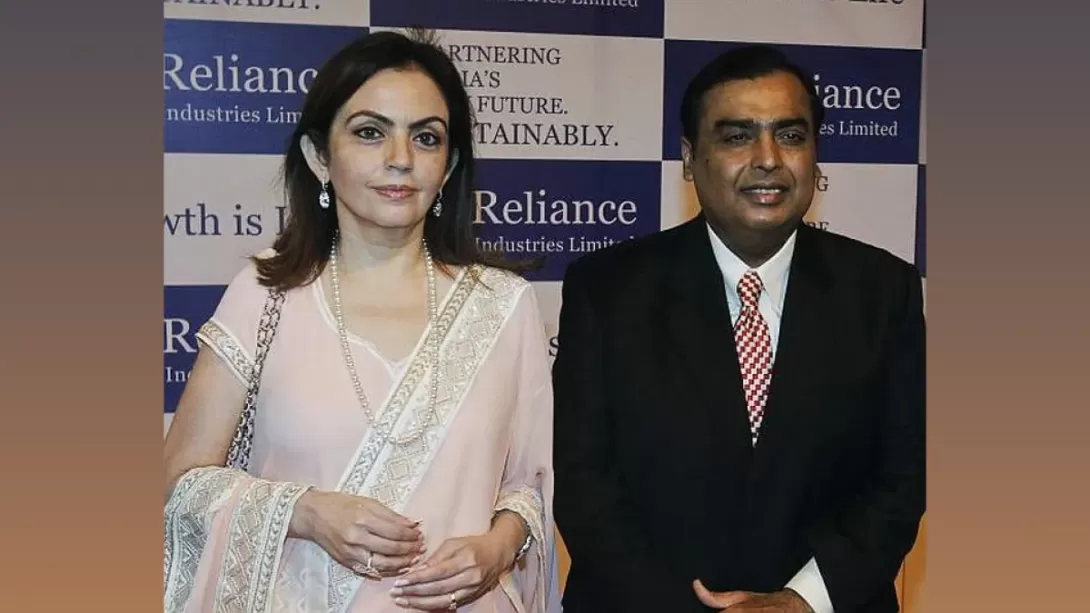
Reliance Industries, India’s most valuable conglomerate led by billionaire Mukesh Ambani, has come under public scrutiny after a controversial trademark filing related to India’s recent military operation, “Operation Sindoor.” The trademark application, made by a junior employee of Reliance’s Jio Studios division, aimed to secure commercial rights for entertainment purposes under the name synonymous with the Indian Armed Forces’ latest cross-border strike. Facing public backlash and accusations of commercializing a moment of national grief and valor, the company swiftly withdrew the filing and issued a statement distancing itself from any intent to capitalize on the military campaign.
A Corporate Misstep Meets National Sentiment
Reliance Industries found itself at the center of controversy this week after a trademark application surfaced seeking exclusive rights over the term “Operation Sindoor.” The phrase refers to India’s recent military action launched in response to a deadly militant attack in Kashmir, which New Delhi has attributed to Pakistani-based operatives—a claim Islamabad has firmly denied.
Filed on Wednesday by Jio Studios, a subsidiary of Reliance, the application sought to use the term for entertainment services, including films, video content, and live performances. This move sparked swift and widespread criticism across Indian social media platforms, with users accusing the company of attempting to commodify a national tragedy and a military event steeped in emotional and patriotic significance.
Reliance Responds: A Retraction and Clarification
In an effort to contain reputational damage, Reliance Industries issued a public statement on Friday, clarifying that the application had been made without executive authorization and was the result of a junior employee's error. The conglomerate emphasized that it had no intention of monetizing a national symbol of sacrifice and resilience.
“Reliance Industries has no intention of trademarking Operation Sindoor, a phrase which is now a part of the national consciousness as an evocative symbol of Indian bravery,” the company wrote on social media platform X. It further confirmed that the application had been withdrawn and assured stakeholders that the mistake would not be repeated.
This proactive public communication was a strategic move by Reliance, aimed at reinforcing its sensitivity to national values and mitigating the perception that it was exploiting patriotic sentiment for commercial gain.
“Operation Sindoor”: Cultural and Political Context
The term “Sindoor” carries cultural weight in Indian society. Traditionally worn by married Hindu women, it symbolizes commitment, love, and the sanctity of marriage. The use of the term in a military context gained resonance following the April attack on Indian tourists in Kashmir, which resulted in significant civilian casualties and left several women widowed. The phrase "Operation Sindoor" has since evolved into a symbol of both loss and national resistance.
In this emotionally charged environment, any attempt to commercialize the term—even unintentionally—was bound to be seen as tone-deaf. The criticism directed at Reliance highlights a growing public expectation that corporations must navigate national narratives with greater empathy and ethical judgment.
Commercializing Conflict: A Troubling Trend?
This episode also raises broader questions about the intersection of commerce, entertainment, and patriotism in India’s media landscape. Bollywood has a history of producing blockbuster films centered on real military operations—from Border to Uri—often capitalizing on public emotion to drive box office success. However, those works are typically released years after the events, allowing time for public reflection and narrative maturity.
Reliance’s attempt to secure a trademark mere hours after the operation began was perceived as a premature and opportunistic maneuver. It serves as a cautionary tale for media companies eager to build intellectual property around current affairs—especially those involving national security or human suffering.
Market Impact and Corporate Governance
Despite the public controversy, Reliance Industries’ stock remained stable, showing minimal impact in intraday trading. However, analysts believe that such incidents could erode long-term investor confidence if seen as reflective of weak internal controls or poor corporate governance.
Reliance has since reassured investors that it is strengthening internal protocols for intellectual property filings and re-evaluating the approval hierarchy within its entertainment division. In a market as sentiment-driven as India’s, where corporate image is closely tied to national values, such measures are critical not only for public goodwill but also for investor relations.
Conclusion: Lessons in Sensitivity and Responsibility
The “Operation Sindoor” trademark controversy underscores the need for heightened corporate responsibility in times of national distress. While the digital age offers companies unprecedented speed in responding to cultural moments, it also demands a higher standard of sensitivity and ethical conduct. For Reliance Industries—a company that often stands at the intersection of business, culture, and technology—this episode serves as a timely reminder that brand integrity must go hand-in-hand with social awareness.
Comments