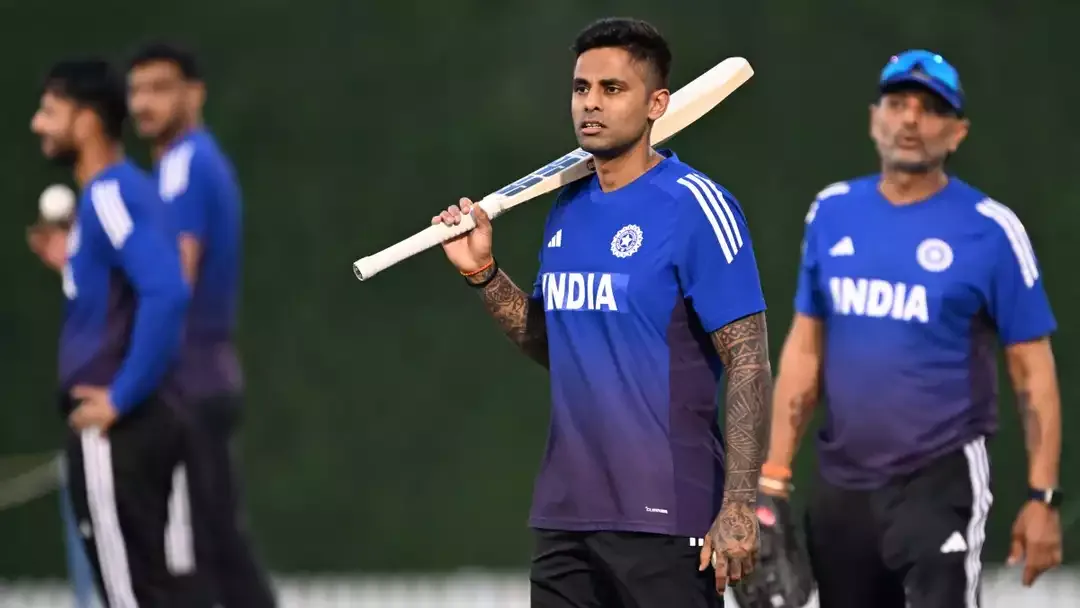
As India prepares for its high-stakes encounter with Pakistan, team management has emphasized adaptability as the central pillar of its strategy. By experimenting with batting positions, rotating fielding roles, and prioritizing player versatility, the Indian side is fine-tuning its approach for one of cricket’s most anticipated contests. Analysts note that this flexibility not only strengthens India’s tactical depth but also reflects a broader shift in modern cricket, where rigid line-ups are being replaced by dynamic, situation-driven decision-making. The strategy underscores India’s intent to balance stability with innovation in pursuit of dominance.
Embracing Tactical Fluidity
In the build-up to the marquee fixture, India has adopted a flexible framework in both batting and fielding. Rather than adhering to fixed batting slots, players are being deployed based on match conditions, opposition strengths, and real-time game dynamics. This adaptability allows the team to maximize run-scoring opportunities and minimize risks. Similarly, fielding strategies are being customized, with players rotating across positions to ensure agility and quick decision-making under pressure.
Batting Order Experiments
The Indian management has placed particular emphasis on adjusting the batting order. Power hitters are being given opportunities to accelerate scoring in the middle overs, while technically sound batsmen are deployed to stabilize innings when early wickets fall. This flexibility prevents predictability, forcing opposition bowlers to constantly recalibrate their plans. Analysts argue that such a fluid batting strategy is especially valuable in high-pressure matches like India-Pakistan, where the momentum can shift dramatically in a matter of overs.
Fielding as a Game-Changer
Fielding is no longer treated as a static responsibility but as a dynamic aspect of match strategy. By rotating fielders across key positions, India ensures that its most agile athletes are positioned strategically during crucial phases of the game. This adaptability not only saves runs but also applies psychological pressure on opponents, making it harder for them to exploit gaps. The emphasis on fielding flexibility aligns with global cricketing trends, where athleticism and adaptability are increasingly decisive in tight contests.
Modern Cricket’s Evolution
India’s approach reflects the broader evolution of cricket from traditional role-based assignments to multi-dimensional player contributions. With formats like T20 reshaping expectations, versatility has become a prized asset. Players who can shift seamlessly between batting orders, adjust fielding zones, and even provide part-time bowling options are invaluable in building competitive squads. By embracing this model, India is positioning itself not only for immediate results but also for long-term sustainability in a rapidly changing cricketing ecosystem.
Preparing for Pakistan
The upcoming clash with Pakistan demands both mental resilience and tactical sharpness. India’s willingness to adapt its batting and fielding plans suggests a proactive approach, designed to neutralize Pakistan’s strengths while exploiting its vulnerabilities. Flexibility ensures that India can respond effectively to unexpected scenarios, whether it involves countering an early collapse or capitalizing on favorable batting conditions. This mindset, combining preparation with improvisation, positions the team to handle the intensity and unpredictability of the contest.
Conclusion
India’s focus on strategic flexibility signals a shift from conventional cricketing orthodoxy to modern, innovation-driven play. By prioritizing adaptability in batting and fielding, the team is cultivating resilience and depth ahead of one of its most challenging encounters. If executed effectively, this approach may prove decisive not only against Pakistan but also in shaping India’s broader trajectory in international cricket.
Comments