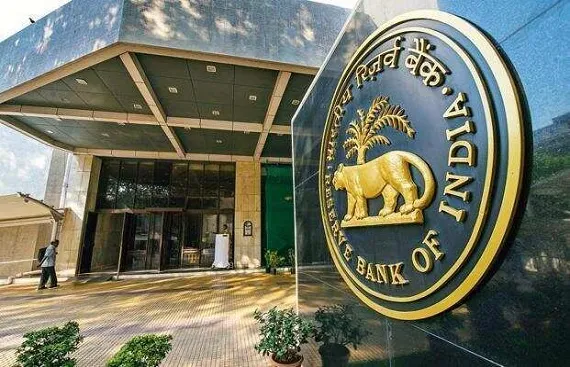
The Reserve Bank of India has reduced the benchmark repo rate by 25 basis points, signaling a calibrated shift toward monetary accommodation amid evolving economic conditions. The decision reflects the central bank’s assessment that inflation remains within a manageable range while growth requires continued policy support. By lowering the rate at which it lends to commercial banks, the RBI aims to ease borrowing costs, stimulate credit demand and support investment activity. The move is expected to provide relief to interest-sensitive sectors, including housing and automobiles, while reinforcing the central bank’s commitment to balancing price stability with sustainable economic expansion.
Monetary Policy Decision and Rationale
The RBI’s Monetary Policy Committee announced a 25-basis-point cut in the repo rate following a detailed review of domestic and global economic indicators. Policymakers noted that inflationary pressures have moderated sufficiently to create room for easing, even as uncertainties persist in global markets.
The rate cut underscores the central bank’s intent to remain proactive, ensuring that financial conditions do not become a constraint on growth as businesses and consumers navigate a still-fragile recovery.
Impact on Borrowers and Financial Markets
A lower repo rate is expected to translate into reduced lending rates across the banking system, particularly for loans linked to external benchmarks. This could ease equated monthly installments for home, auto and personal loans, improving disposable incomes and consumption sentiment.
Equity markets typically view rate cuts as supportive, especially for sectors reliant on financing. Bond markets, meanwhile, may see downward pressure on yields as expectations of lower interest rates are reinforced.
Implications for Banks and Credit Growth
For banks, the policy move presents both opportunities and challenges. While lower rates can spur loan demand, lenders will need to manage net interest margins carefully, particularly in a competitive environment. The RBI has emphasized the importance of effective transmission, urging banks to pass on the benefits of the rate cut to borrowers.
Stronger credit growth could also support small and medium enterprises, which remain sensitive to financing costs.
Inflation and Growth Outlook
The central bank maintained a cautious tone on inflation, reiterating its commitment to the medium-term target. While food and commodity prices remain potential risk factors, the RBI expressed confidence in its ability to respond swiftly should inflationary pressures re-emerge.
On growth, the rate cut is seen as a supportive measure aimed at sustaining momentum, particularly as private investment shows early signs of revival.
Broader Economic Significance
The RBI’s decision aligns India with a broader global trend of central banks reassessing monetary tightness amid slowing growth in key economies. For policymakers, the challenge lies in ensuring that monetary easing complements fiscal initiatives and structural reforms.
As the impact of the rate cut unfolds, attention will remain on credit transmission, inflation trends and the central bank’s future policy stance. The move reinforces the RBI’s message that it remains committed to fostering stability while supporting economic expansion.
Comments