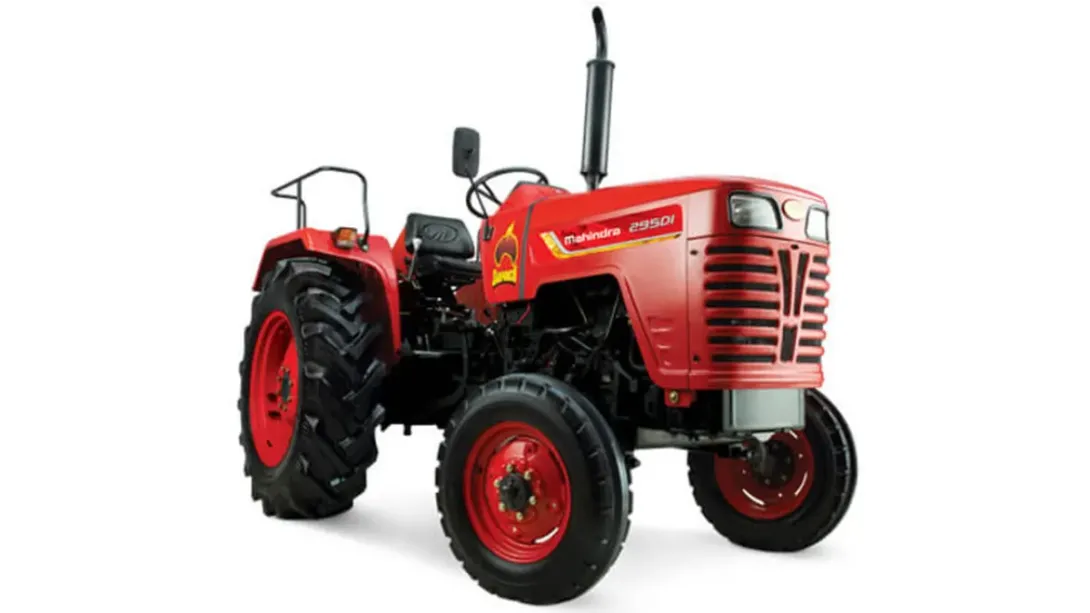
India has formally released its first national standards for electric tractors, signaling a strategic shift toward sustainable mechanization in agriculture. The move provides a regulatory framework covering safety, performance and testing benchmarks, offering long-awaited clarity to manufacturers, investors and farmers. By standardizing specifications, the government aims to accelerate innovation, attract private capital and reduce the sector’s dependence on fossil fuels. Industry experts view the development as a catalyst for domestic manufacturing and rural electrification. As electric mobility expands beyond urban transport, the agriculture sector is poised to become a critical driver of India’s clean-energy transition.
A Regulatory Milestone for Green Agriculture
The introduction of standardized norms for electric tractors represents a significant policy milestone. Until now, the absence of clear guidelines had slowed product development and commercialization. The new standards establish uniform criteria for design, operational safety, battery performance and durability, bringing electric tractors into the formal regulatory ecosystem.
This framework is expected to reduce compliance uncertainty, enabling manufacturers to scale production while ensuring consistent quality for end users.
Boost for Domestic Manufacturing and Innovation
Industry stakeholders believe the standards will strengthen India’s position as a manufacturing hub for electric agricultural equipment. Clear technical benchmarks lower entry barriers for startups and established players alike, encouraging investment in research and localized supply chains.
With agriculture accounting for a substantial share of diesel consumption, electric tractors could deliver long-term cost efficiencies for farmers while opening new revenue streams for equipment makers.
Implications for Farmers and Rural Economy
For farmers, electric tractors offer the promise of lower operating costs, reduced maintenance and zero tailpipe emissions. While upfront prices remain higher than conventional models, analysts expect economies of scale and policy incentives to narrow the gap.
In regions with improving rural electrification, electric tractors could significantly enhance productivity while aligning farm operations with sustainability goals.
Investment and Policy Outlook
The release of standards is likely to attract both domestic and foreign capital into agri-tech and clean mobility. Financial institutions are also expected to develop tailored credit products as regulatory risk diminishes.
Comments