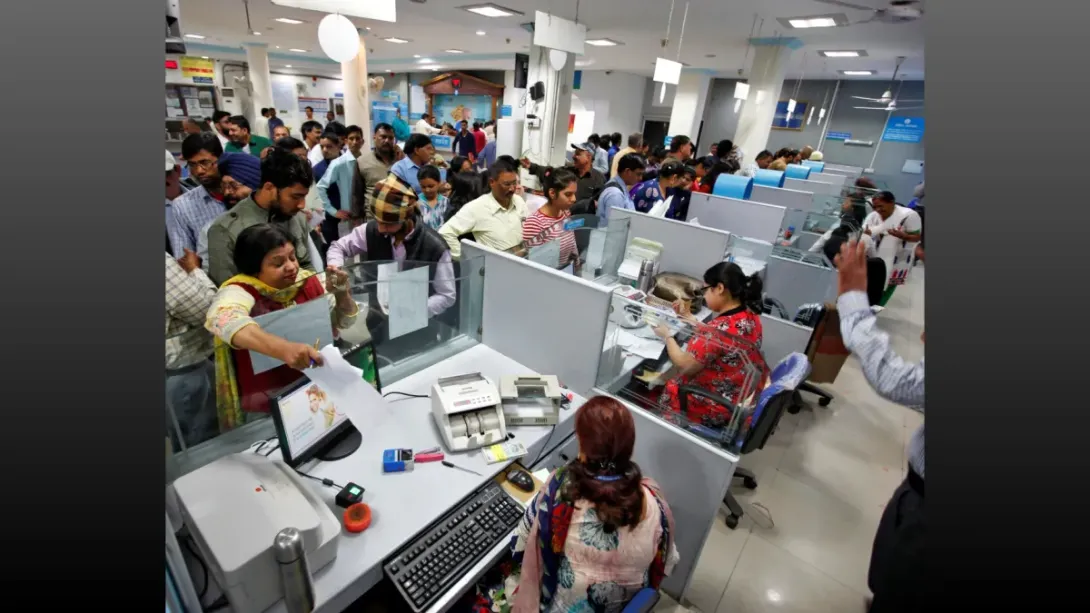
DCB Bank delivered a solid financial performance in the December quarter, reporting a 22 percent year-on-year increase in net profit to Rs. 185 crore. The improvement was driven by steady growth in core lending, stable net interest margins and better operating efficiency. Controlled credit costs and a gradual improvement in asset quality further supported earnings momentum. The results highlight the bank’s disciplined approach to risk management and its focus on sustainable growth amid a competitive banking environment and evolving macroeconomic conditions.
Profit Growth Backed by Core Banking Strength
The private sector lender recorded a healthy rise in profitability during the third quarter, reflecting consistent expansion in advances and stable interest income. Improved operating leverage allowed higher revenues to translate into stronger bottom-line growth, even as the broader banking sector faced margin and liquidity pressures.
Asset Quality and Credit Costs Remain Stable
DCB Bank maintained stable asset quality metrics during the quarter, with no significant spike in stress across its loan portfolio. Credit costs remained under control, enabling the bank to limit provisioning expenses and protect profitability. Management’s cautious underwriting standards continue to play a key role in preserving balance-sheet strength.
Efficiency Gains Support Earnings
Operational efficiencies, including tighter cost management and better productivity across branches, contributed to improved performance. The bank’s ongoing investments in digital capabilities are also beginning to support scalability and customer acquisition without materially increasing expenses.
Outlook: Steady Growth with Risk Discipline
Looking ahead, DCB Bank is expected to maintain a measured growth strategy, focusing on retail and small business segments while closely monitoring asset quality. Analysts believe the bank’s conservative balance-sheet approach and steady execution could help sustain earnings momentum in the coming quarters, even amid external economic uncertainties.
Comments