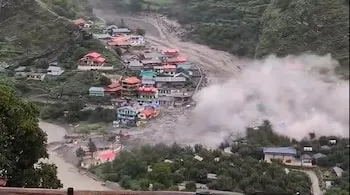
A deadly cloudburst in a mountainous region of northern India has unleashed a catastrophic flash flood, sweeping away an entire village and leaving behind a trail of destruction and loss. The deluge, triggered by sudden and intense rainfall, claimed multiple lives, displaced scores of residents, and caused extensive damage to infrastructure and agriculture. Rescue operations are ongoing, with emergency teams racing against time to locate survivors and provide relief. The incident highlights the increasing frequency of extreme weather events in the Himalayan belt, raising urgent concerns about climate resilience, disaster preparedness, and sustainable development in vulnerable zones.
---
A Village Washed Away in Seconds
In a tragic turn of events, a remote village nestled in the hilly terrains of northern India was completely swept away by a flash flood following a violent cloudburst. According to initial reports from local authorities, the downpour lasted only minutes but unleashed an extraordinary volume of water that engulfed homes, farmlands, and roads. Witnesses described scenes of chaos as the swollen riverbanks breached, dragging trees, livestock, and vehicles in its path.
At least 15 people have been confirmed dead, while dozens are reported missing. Rescue teams comprising disaster response forces, local police, and army personnel have been deployed to aid in search and recovery efforts under treacherous conditions.
---
Emergency Response Underway
Relief operations began shortly after the disaster struck, with helicopters airlifting injured residents and delivering essential supplies to isolated areas. Makeshift camps have been established to shelter displaced families, while medical teams are treating those suffering from trauma, injuries, or exposure.
However, inclement weather and damaged access routes have made it challenging for rescuers to reach some of the worst-affected pockets. Authorities have urged people in nearby settlements to move to higher ground as a precautionary measure, citing the risk of further landslides and rainfall.
State officials have announced compensation packages for the deceased and injured, while engineers assess the damage to power lines, bridges, and water supply infrastructure.
---
The Science Behind the Catastrophe
Meteorologists attributed the cloudburst to a sudden buildup of moisture in the upper atmosphere, a common phenomenon in high-altitude regions during the monsoon. Unlike regular rainfall, cloudbursts involve an intense, localized downpour—often exceeding 100 mm of rain within an hour—leading to flash floods that overwhelm natural and manmade drainage systems.
The Himalayan ecosystem, already sensitive to climate variability, is increasingly exposed to such events due to rising global temperatures. Experts warn that deforestation, unregulated construction, and changing land-use patterns in ecologically fragile areas are exacerbating the intensity and impact of these disasters.
---
A Wake-Up Call for Climate Resilience
This tragic event underscores the growing urgency for integrating climate adaptation into regional development planning. As flash floods and cloudbursts become more frequent, especially in northern states like Uttarakhand, Himachal Pradesh, and parts of Jammu and Kashmir, policymakers are being urged to strengthen early warning systems, implement stricter zoning regulations, and invest in community-level disaster preparedness.
Environmentalists also stress the importance of restoring natural buffers like wetlands, forest covers, and riverbanks to help absorb shock events. In the long term, enhancing climate literacy, building infrastructure with local geography in mind, and empowering local governance will be key to preventing such large-scale tragedies.
---
Nation Mourns, Recovery Continues
As rescue operations continue into the night, the nation collectively grieves the loss of lives and homes. Flags were flown at half-mast in the affected state capital, and a moment of silence was observed during legislative proceedings.
The road to recovery will be long and fraught with challenges, but the resilience of local communities remains unshaken. Even as mud-covered homes lie in ruins and hopes waver for those still missing, stories of heroism, solidarity, and survival are emerging—offering a glimmer of light amidst the devastation.
Comments