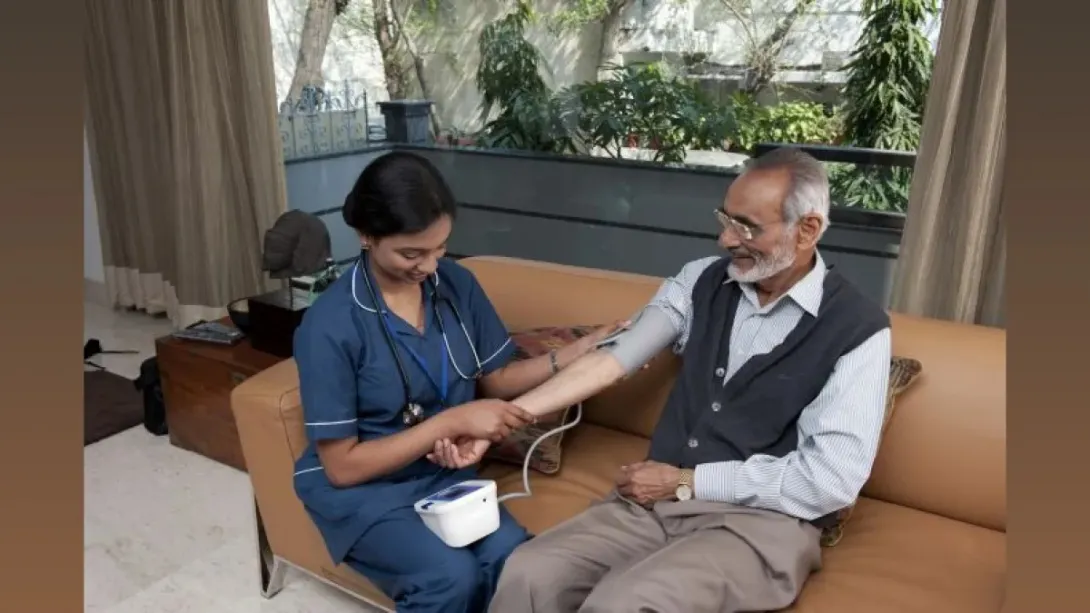
A recent survey by consumer health company Kenvue has revealed that Indians place the highest trust in doctors when it comes to health-related information shared on social media. The findings underscore a growing reliance on digital platforms for medical guidance while highlighting the need for credible voices in an environment often clouded by misinformation. The survey also emphasizes the critical role healthcare professionals play in shaping public perceptions of wellness, preventive care, and treatment choices in a country where digital engagement is rapidly rising.
Doctors as the Most Trusted Source
The Kenvue survey shows that Indians overwhelmingly regard doctors as the most reliable source of health advice on social media, ahead of celebrities, influencers, and wellness bloggers. In an era where social media has become a primary touchpoint for information, this preference reflects the population’s desire for medically sound, science-backed guidance. Experts believe the trend is indicative of an evolving digital health ecosystem where credibility is increasingly valued over popularity.
Social Media as a Health Information Channel
With over 800 million internet users, India has witnessed a surge in the consumption of health-related content across platforms such as Instagram, YouTube, and WhatsApp. From diet tips to home remedies, millions turn to social media for instant answers. However, the rise of misinformation—ranging from unverified cures to misleading product endorsements—has prompted greater scrutiny of sources. Against this backdrop, doctors’ voices are emerging as trusted anchors in a crowded digital space.
Implications for Public Health
The reliance on credible medical professionals for guidance could have far-reaching implications for India’s public health system. By leveraging social media effectively, doctors can promote preventive healthcare, encourage vaccination awareness, and counter myths surrounding chronic illnesses. The survey also highlights the opportunity for health institutions and policymakers to collaborate with practitioners to disseminate accurate, evidence-based information at scale.
Balancing Trust and Accessibility
While the survey reflects confidence in doctors, it also raises questions about accessibility. Many Indians, particularly in rural areas, lack direct access to physicians and therefore depend heavily on online content. Ensuring that doctors and healthcare organizations actively participate in digital conversations could bridge this gap, making authentic medical advice more widely available.
Outlook: The Future of Digital Health Engagement
As India’s digital health ecosystem matures, the trust placed in doctors on social media represents both a challenge and an opportunity. On one hand, it underscores the responsibility of healthcare professionals to engage responsibly in online forums; on the other, it highlights the potential for social media to become a tool for mass health education. For brands, regulators, and policymakers alike, the message is clear: credibility is now the most valuable currency in health communication.
Comments