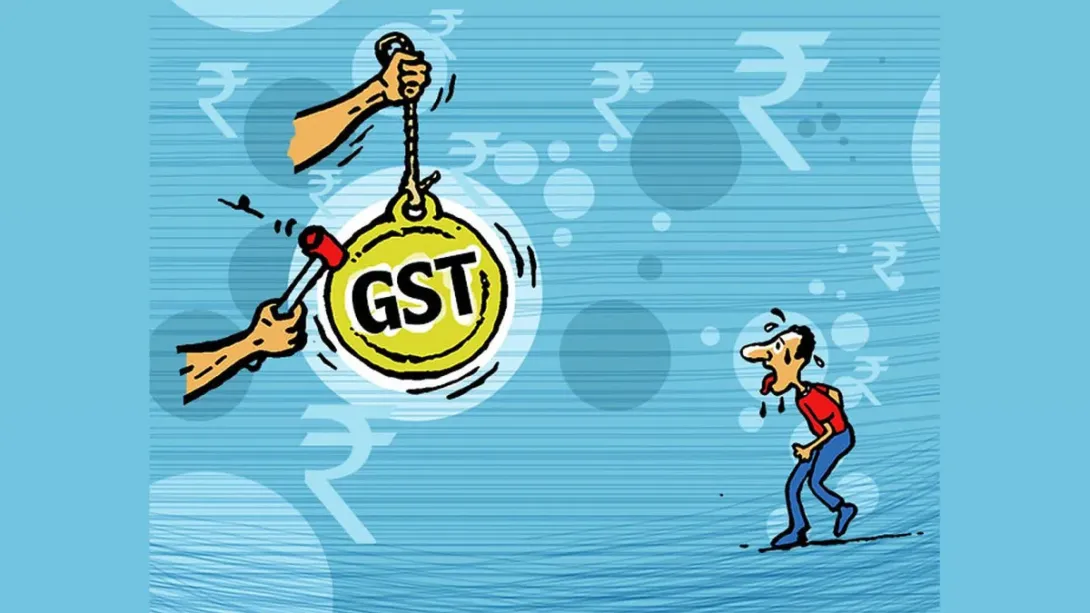
In a move aimed at enhancing liquidity for businesses ahead of the festive season, the Delhi government has disbursed Rs. 738 crore in GST refunds to eligible taxpayers. The initiative is expected to support small and medium enterprises (SMEs), manufacturers, and traders, enabling timely procurement of raw materials, inventory buildup, and operational continuity. By accelerating refund processes, the administration strengthens business confidence and stimulates economic activity during a peak consumption period. Analysts estimate that faster GST refunds could increase short-term liquidity by 5–7% for MSMEs, facilitating smoother operations and reinforcing Delhi’s position as a business-friendly jurisdiction.
Overview of GST Refunds
The Delhi government’s GST refund initiative focuses on streamlining the disbursal process, ensuring eligible taxpayers receive payments promptly. Refunds primarily include:
- Input Tax Credit (ITC) claims from registered businesses.
- Export-related GST reimbursements.
- Excess tax paid due to clerical errors or overpayment.
The total disbursement of Rs. 738 crore reflects the administration’s proactive approach in addressing liquidity constraints for businesses, particularly ahead of the Diwali season, when operational and inventory expenditures peak.
Economic Impact on Businesses
The timely release of GST refunds provides several key benefits to businesses:
Enhanced Liquidity: Improves cash flow for SMEs and micro-enterprises, facilitating procurement and operational efficiency.
Stimulates Festive Trade: Enables traders to stock inventory in anticipation of higher consumer demand during Diwali.
Reduces Financing Costs: Businesses can rely less on external borrowing, saving on interest expenses and improving profitability.
Boosts Investor Confidence: Transparent and prompt refund mechanisms encourage compliance and long-term business investment in Delhi.
Industry representatives note that faster refunds help SMEs bridge working capital gaps, enabling them to maintain competitiveness and operational continuity.
Government Measures and Process Efficiency
To accelerate refund disbursement, the Delhi government has implemented:
- Automated GST refund processing systems, reducing manual intervention and errors.
- Dedicated monitoring cells to track pending claims and ensure compliance.
- Digital communication channels to inform taxpayers of refund status and timelines.
These measures have significantly reduced turnaround time, making Delhi’s GST administration more efficient compared to other states.
Sectoral Implications
The Rs. 738 crore refund distribution benefits multiple sectors:
- Retail and Trading: Funds for inventory buildup ahead of festive sales.
- Manufacturing and MSMEs: Improved working capital for procurement and production continuity.
- Exports: Faster reimbursement of export-related GST enhances competitiveness in global markets.
Analysts predict that this infusion of liquidity will stimulate business activity, potentially increasing festive season sales by 3–5% across SMEs and trading clusters.
Policy and Future Outlook
The Delhi government’s proactive GST refund mechanism signals a business-friendly policy environment and demonstrates commitment to fiscal efficiency. Future measures may include:
- Expansion of digital refund processing for all taxpayers.
- Faster dispute resolution mechanisms for pending claims.
- Integration with credit schemes to provide working capital support alongside refunds.
Such initiatives are expected to strengthen compliance, boost investor confidence, and improve Delhi’s ranking as a preferred business destination.
Conclusion
The disbursement of Rs. 738 crore in GST refunds ahead of Diwali represents a strategic move to enhance liquidity, stimulate trade, and support SMEs in Delhi. By streamlining refund processes, the government not only eases working capital constraints but also strengthens economic activity during a critical seasonal period.
For businesses, policymakers, and investors, the initiative underscores the importance of efficient fiscal administration, timely liquidity support, and proactive governance in fostering a robust and resilient economic ecosystem.
Comments