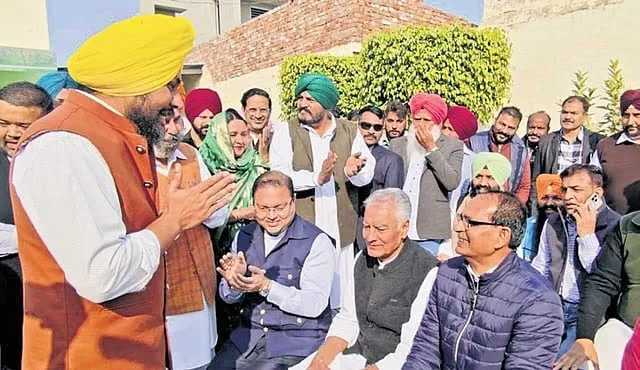
A small village in Punjab has drawn widespread appreciation for pioneering a model of sustainable stubble management that significantly reduces air pollution and supports agricultural productivity. Through community-led initiatives, technological adoption, and coordinated planning, the village has demonstrated how crop residue can be handled responsibly without resorting to burning. The effort not only mitigated seasonal smog but also improved soil health and strengthened local environmental awareness. As Punjab continues to battle recurring air-quality challenges, this village’s success serves as a blueprint for scalable, farmer-friendly solutions that balance ecological responsibility with economic realities.
---
A Model of Grassroots Leadership
The village’s recognition stems from its proactive shift away from traditional stubble burning — a widespread practice that contributes to severe winter pollution across northern India. Instead of burning residue, communities collaborated to streamline alternative methods, bringing farmers, local administrators, and agricultural experts together to execute a well-structured residue-management plan.
This united approach stands out in a region where fragmented practices often hinder large-scale environmental improvements. The collective resolve of farmers became the driving force behind the initiative’s success.
---
Adoption of Modern Farming Equipment
A key factor in the village’s achievement has been the use of modern machinery designed to recycle crop residue efficiently. Tools such as Happy Seeders, Super-SMS systems, mulchers, and balers were deployed to reduce the workload and encourage farmers to transition to sustainable methods.
By leveraging these machines, residue was either mixed back into the soil as organic matter or collected for use in biomass plants and fodder production. This shift not only prevented smoke emissions but also improved soil fertility and moisture retention for the next crop cycle.
---
Community Awareness and Coordinated Action
Beyond technology, awareness campaigns played an essential role. Village leaders organized training sessions, demonstrations, and hands-on workshops, enabling farmers to understand the long-term ecological and economic advantages of avoiding stubble burning.
Cooperation between farmer groups ensured that equipment was shared efficiently, preventing bottlenecks during peak harvest days. The inclusive nature of decision-making encouraged broader participation and ensured that even small-scale farmers could benefit.
---
Environmental and Economic Impact
The results were visible almost immediately. Air quality in and around the village improved during the harvest season, marking a notable departure from the usual spike in particulate matter. Soil structure strengthened due to the incorporation of crop residue, reducing fertilizer dependence and supporting healthier yields.
Economically, farmers benefited from cost-sharing models for machinery and income opportunities arising from selling baled stubble to energy producers. This dual impact — environmental and financial — reinforced the sustainability of the initiative.
---
A Blueprint for Broader Replication
The village’s success is now being cited as an example for other regions in Punjab that face similar challenges. It demonstrates that change is not only possible but also achievable through coordinated effort, informed planning, and community ownership.
As India continues seeking durable solutions to recurring pollution crises, such grassroots innovations offer a roadmap for balancing agricultural demands with environmental stewardship. The achievements of this Punjab village reaffirm that meaningful progress begins at the local level — with commitment, collaboration, and the courage to break old patterns.
Comments