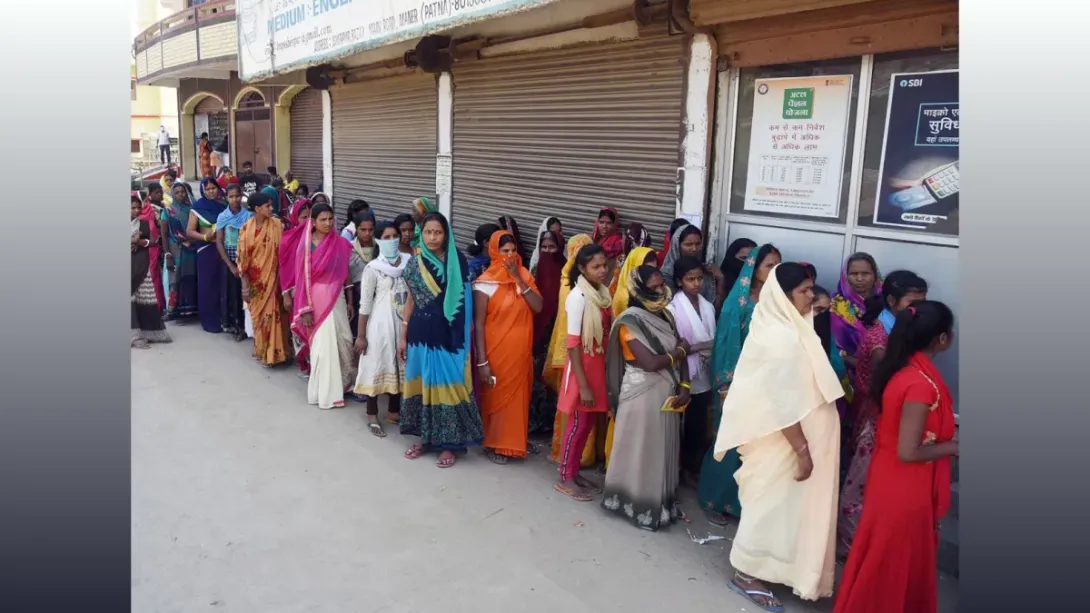
Tripura Gramin Bank has strengthened its position as a key driver of rural economic development by expanding financial inclusion, improving credit access, and supporting grassroots entrepreneurship across the state. Through targeted lending to agriculture, microenterprises, and self-help groups, the bank has helped channel formal finance into underserved regions. Its focus on digital banking, government-backed schemes, and sustainable rural credit has enhanced household incomes and economic resilience. Analysts note that the bank’s strategy aligns closely with national priorities of inclusive growth, positioning it as a critical institution in Tripura’s evolving rural economy.
Expanding Financial Inclusion in Rural Tripura
Tripura Gramin Bank has played a central role in extending banking services to remote and rural communities, where access to formal finance has traditionally been limited. By opening new accounts under financial inclusion initiatives and simplifying onboarding processes, the bank has brought thousands of households into the organized financial system.
This expanded reach has enabled rural customers to save securely, access credit responsibly, and benefit from direct transfers under government welfare programs. Banking officials say these efforts have reduced reliance on informal lenders and strengthened financial stability at the village level.
Credit Support for Agriculture and Microenterprises
Agricultural lending remains a cornerstone of the bank’s operations. Farmers have benefited from timely crop loans, working capital facilities, and allied sector financing, helping them manage seasonal cash flows and invest in productivity-enhancing inputs.
Beyond agriculture, the bank has increased credit exposure to micro, small, and cottage industries, particularly those led by women and self-help groups. These loans have supported local entrepreneurship, job creation, and value addition in rural markets, contributing to steady income generation.
Digital Push and Operational Modernization
Tripura Gramin Bank has also accelerated its adoption of digital banking solutions to improve service delivery and operational efficiency. Mobile banking, digital payments, and core banking upgrades have reduced transaction costs and improved customer convenience, even in geographically challenging areas.
The digital push has complemented government initiatives aimed at creating a cash-light rural economy, while also enhancing transparency and credit discipline.
Economic Impact and Forward Outlook
Economists say the bank’s focused rural strategy has had a multiplier effect on the local economy, stimulating consumption, investment, and financial literacy. While challenges such as climate risks and income volatility persist, sustained institutional credit has improved resilience among rural households.
Comments